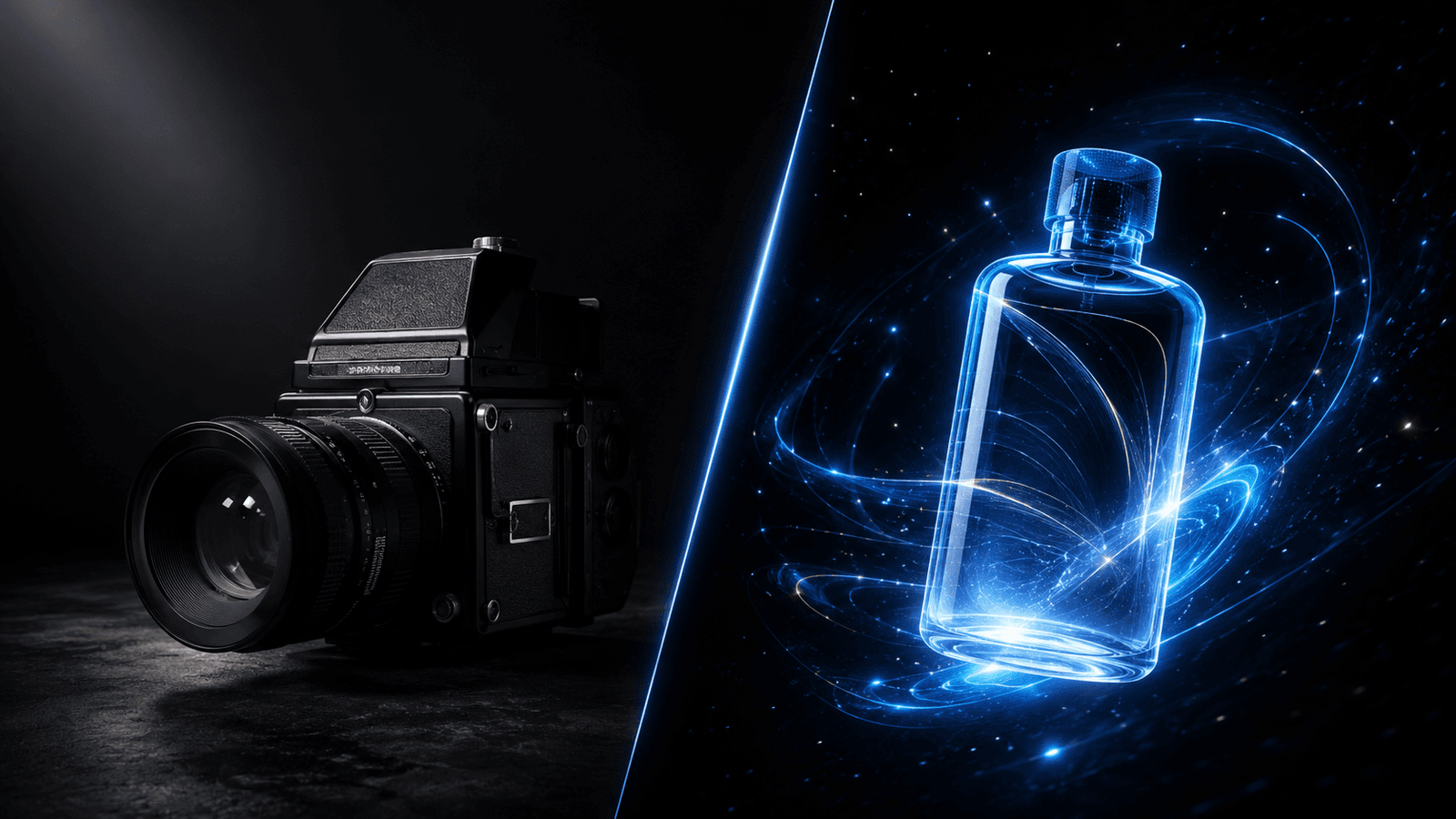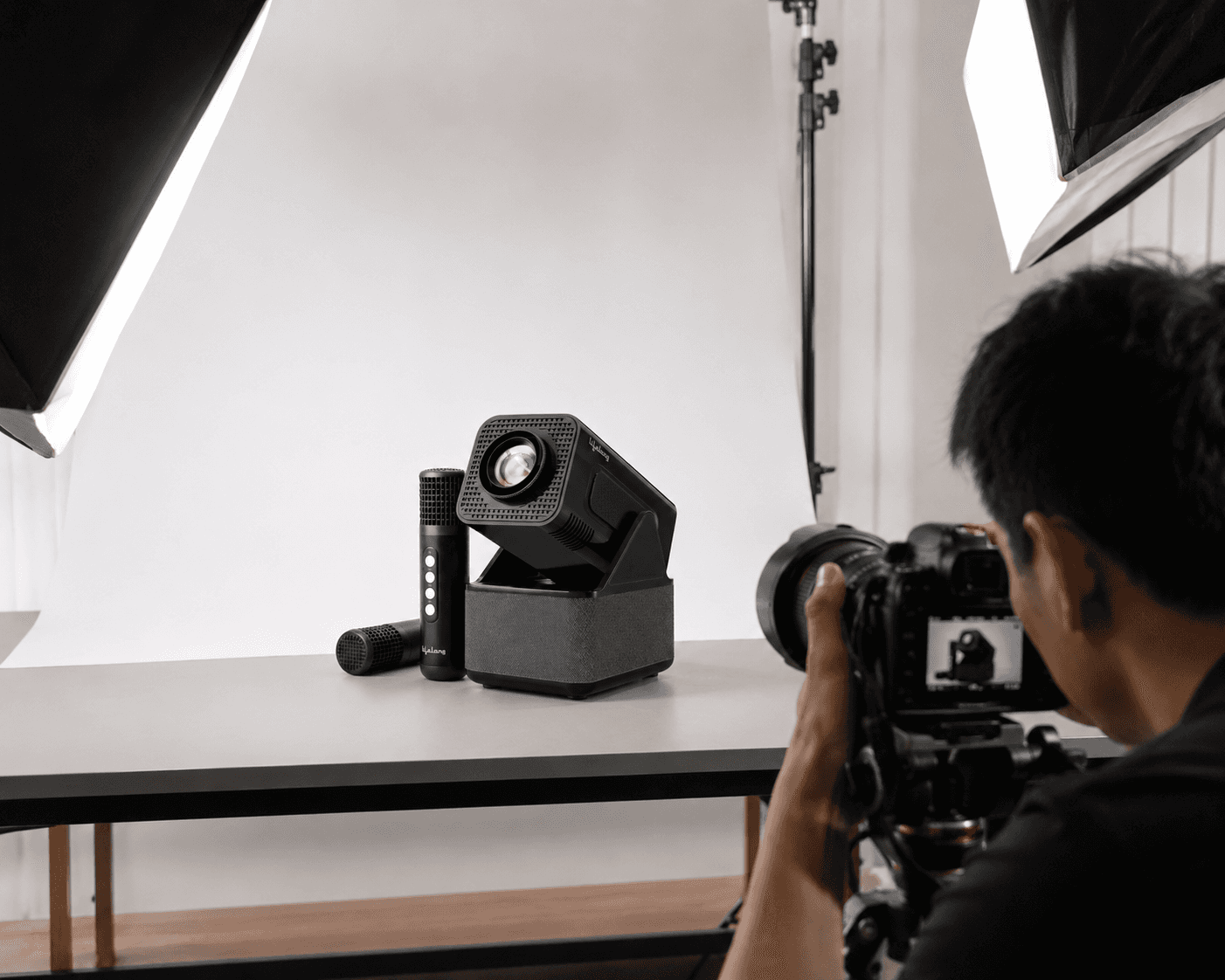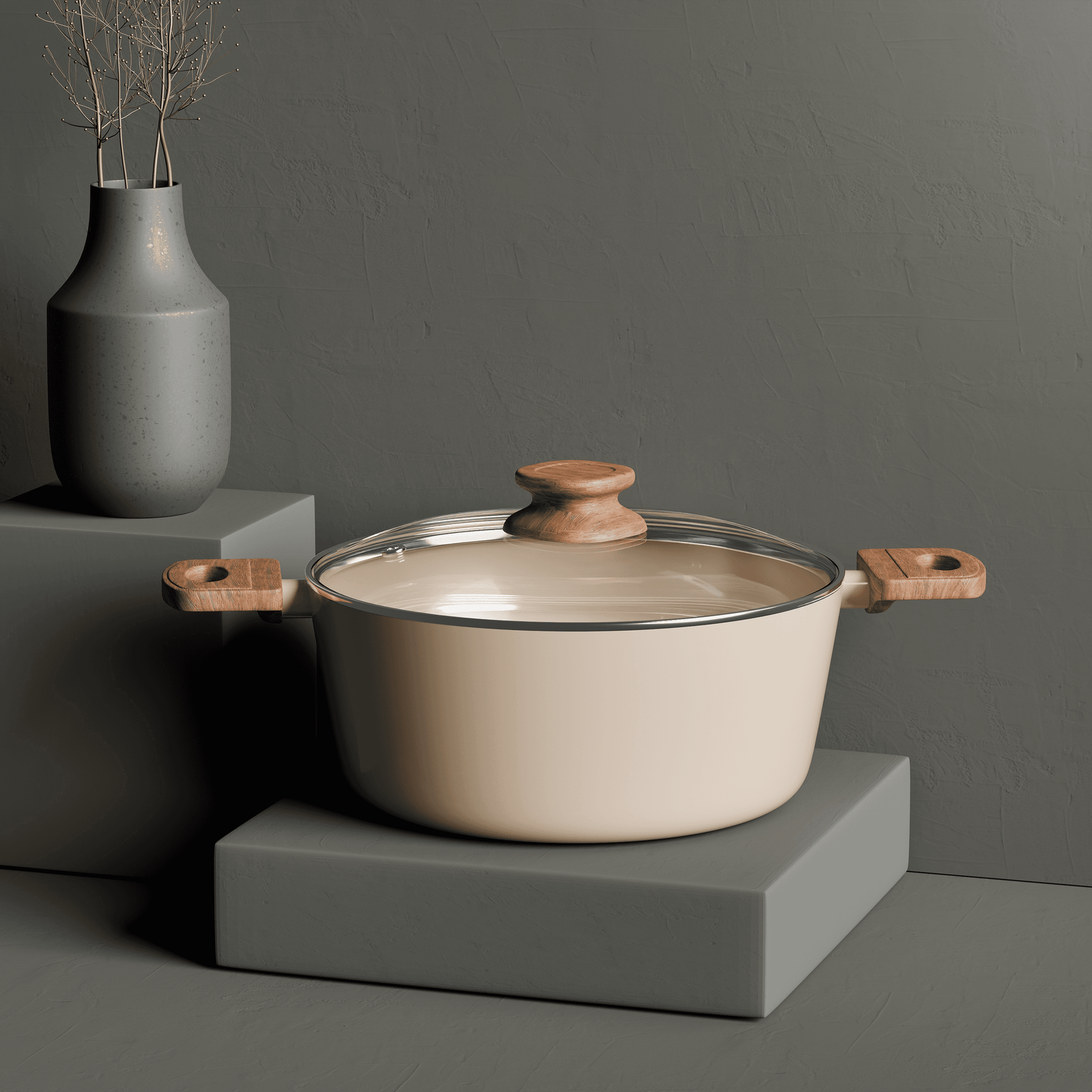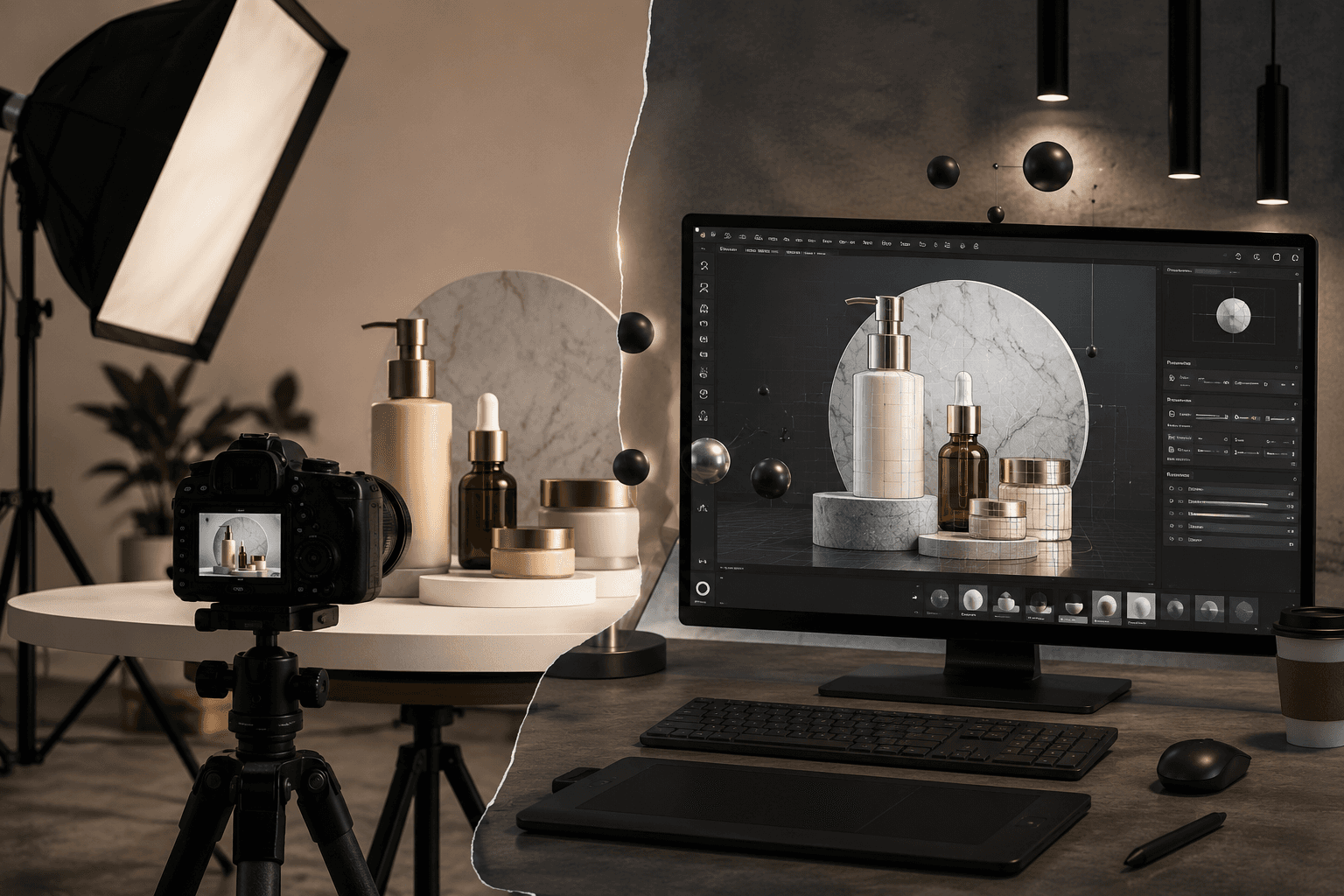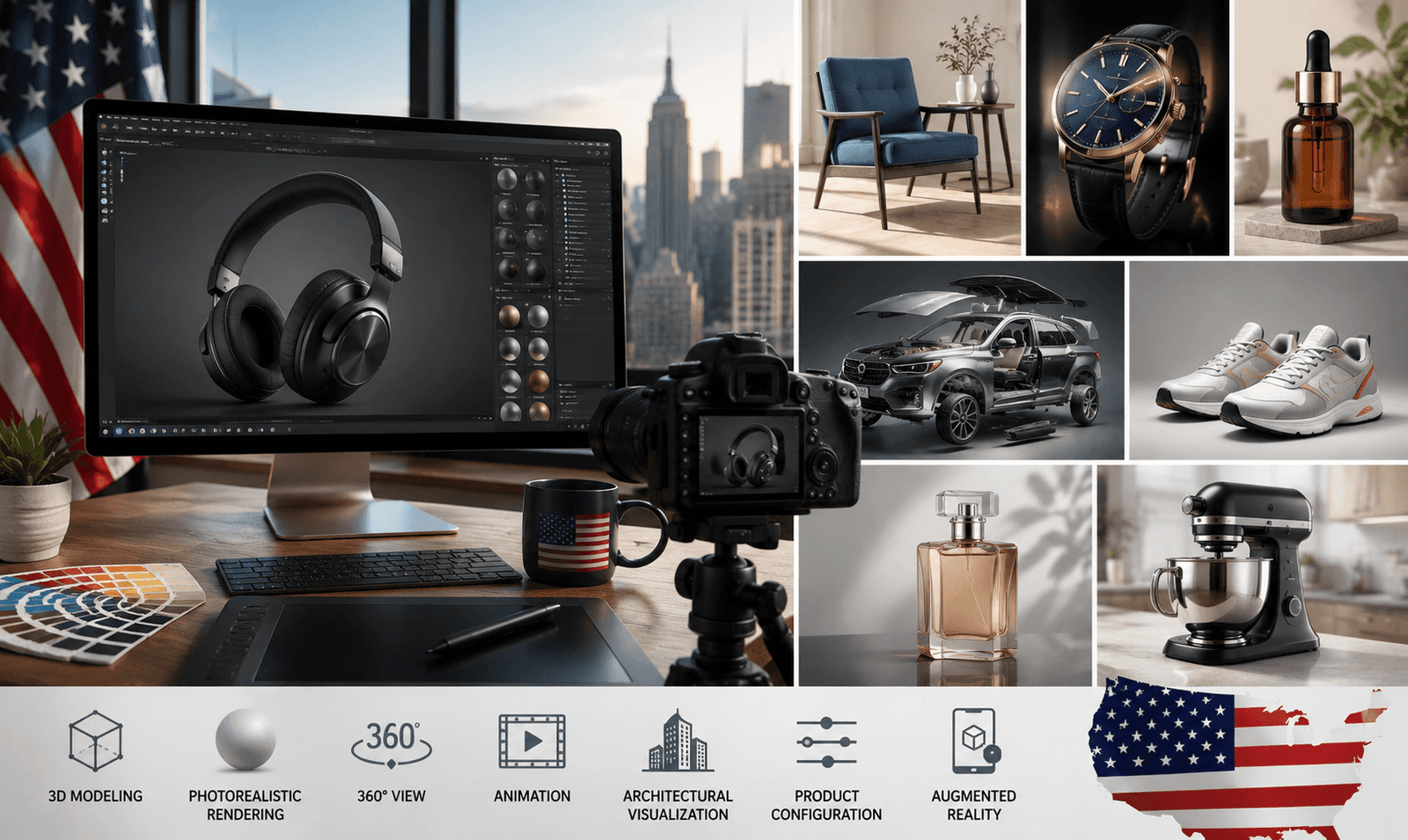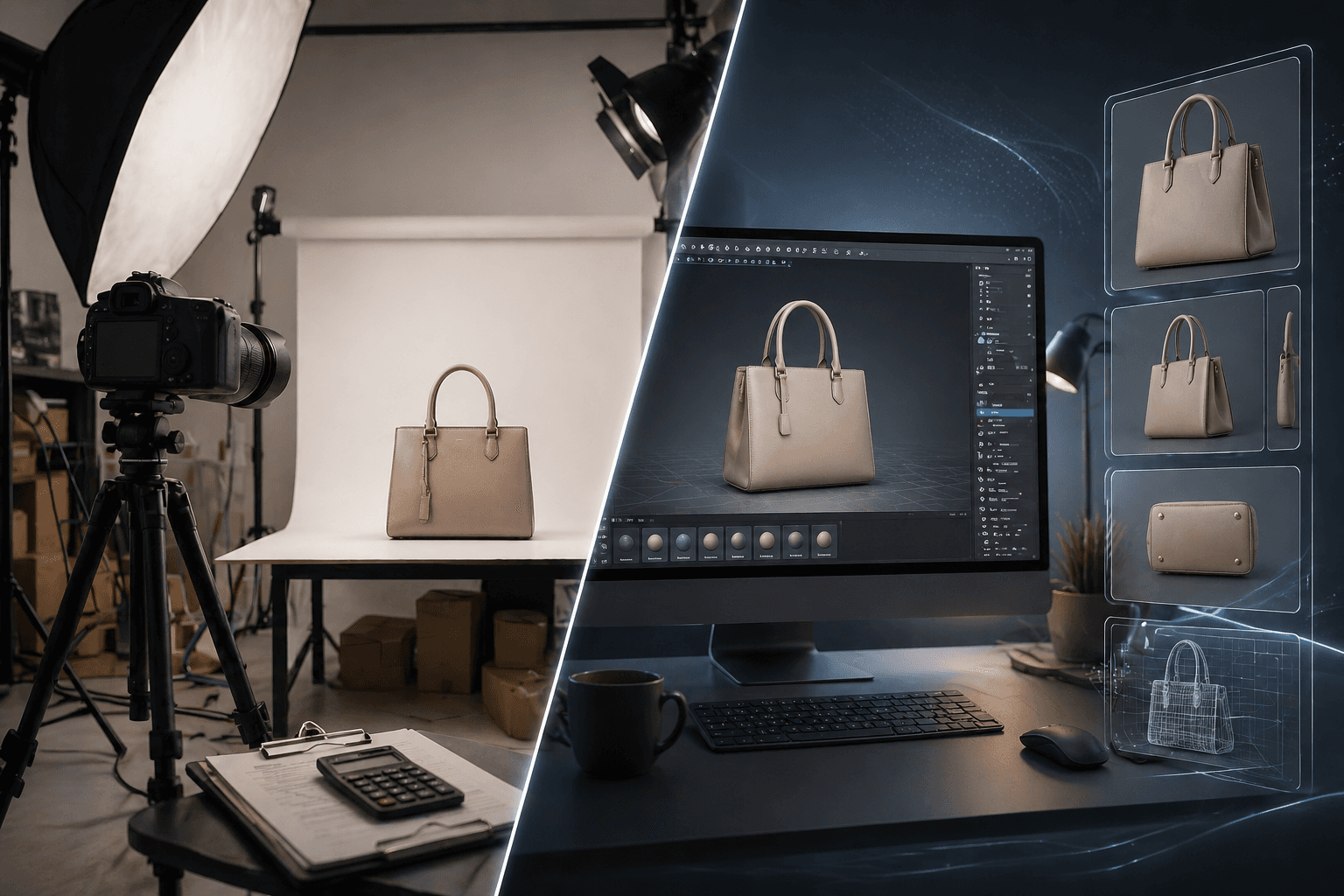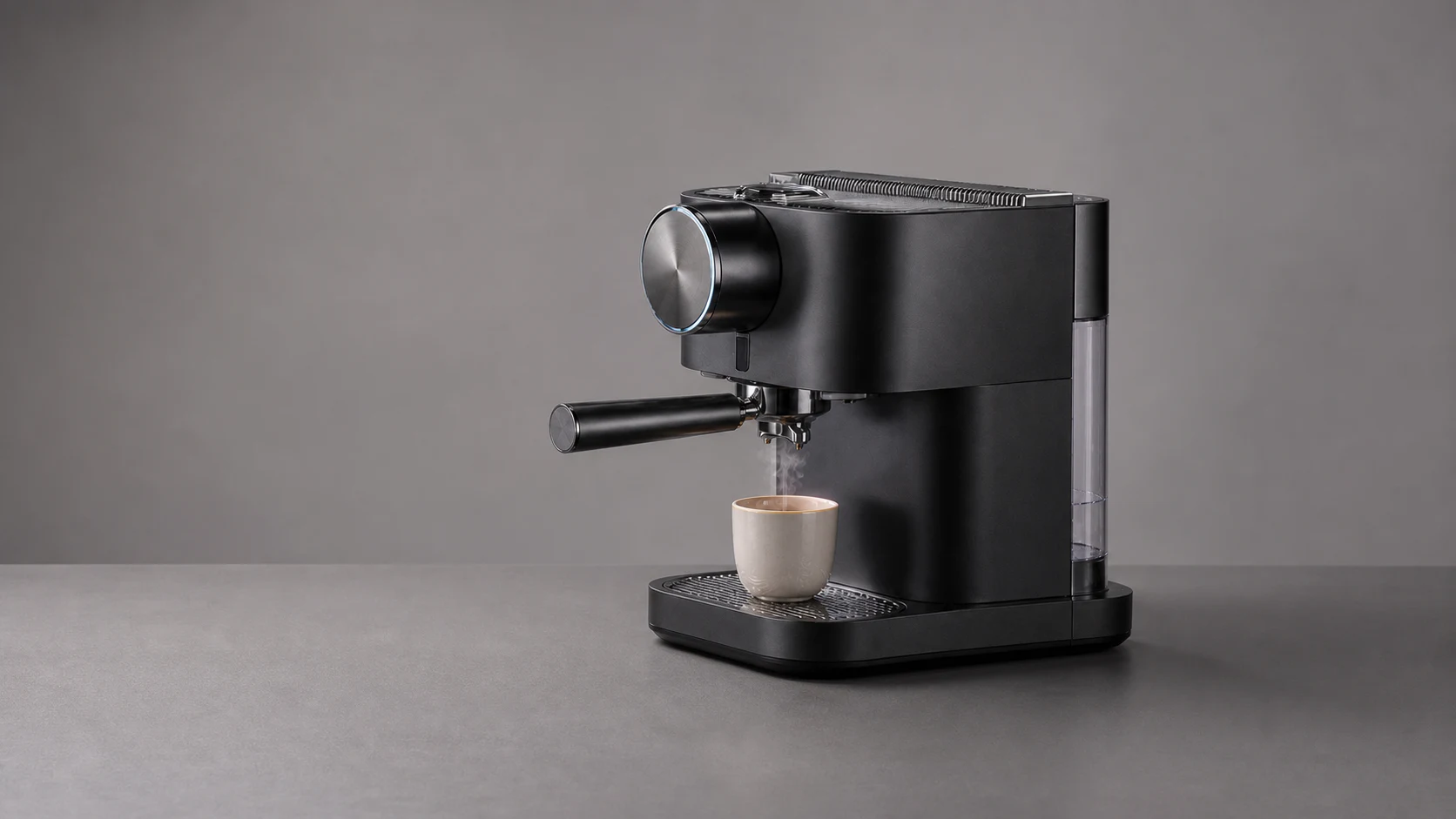
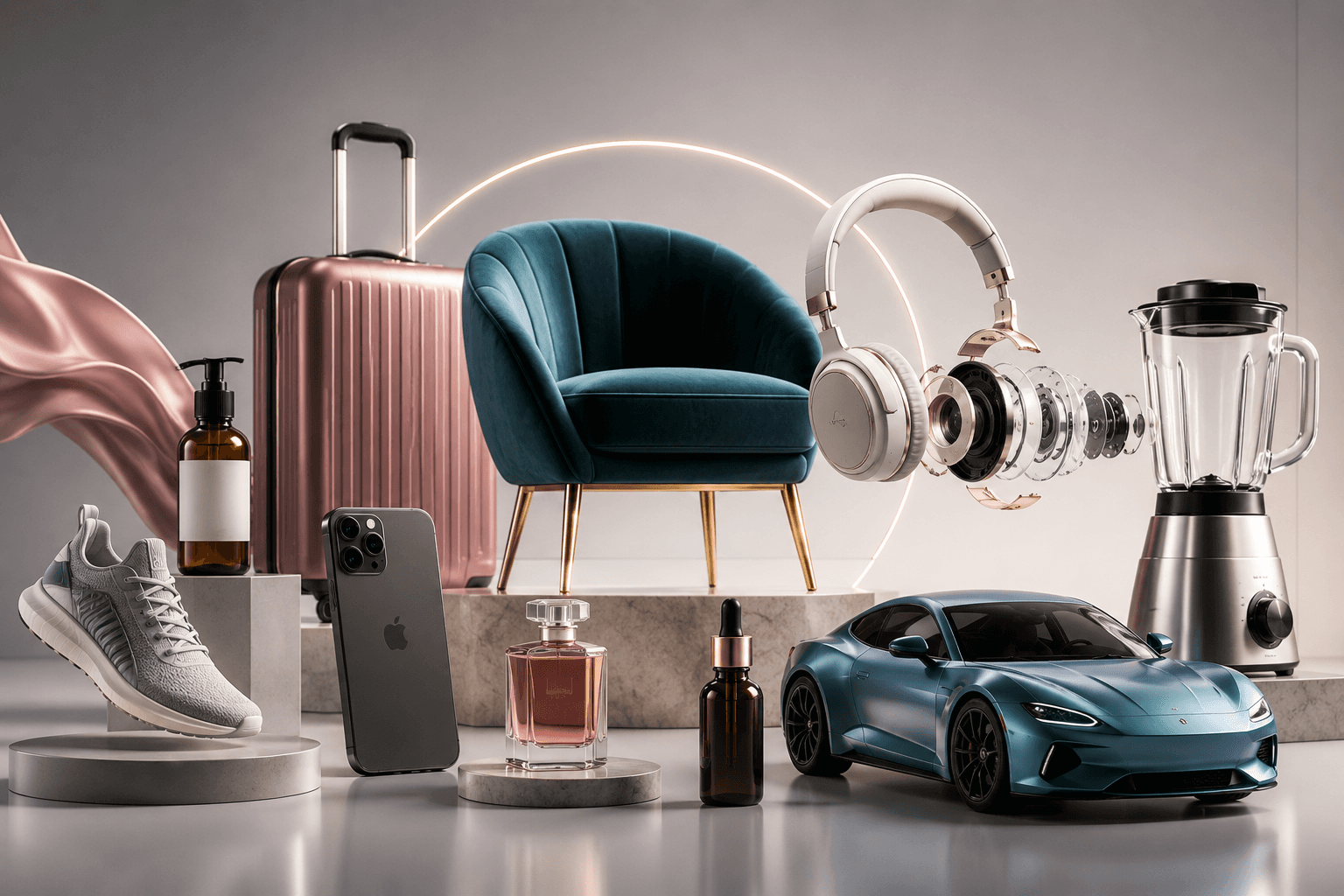
The industries that benefit most from CGI product photography are the ones where a physical shoot is either expensive, logistically painful, or fundamentally limited by what a camera can reach. Consumer electronics, furniture, beauty, fashion, food and beverage, automotive accessories, and health and fitness equipment all sit in that zone, and brands moving these categories to CGI usually report 60 to 70% savings on their visual production budgets.
1. Consumer electronics and gadgets
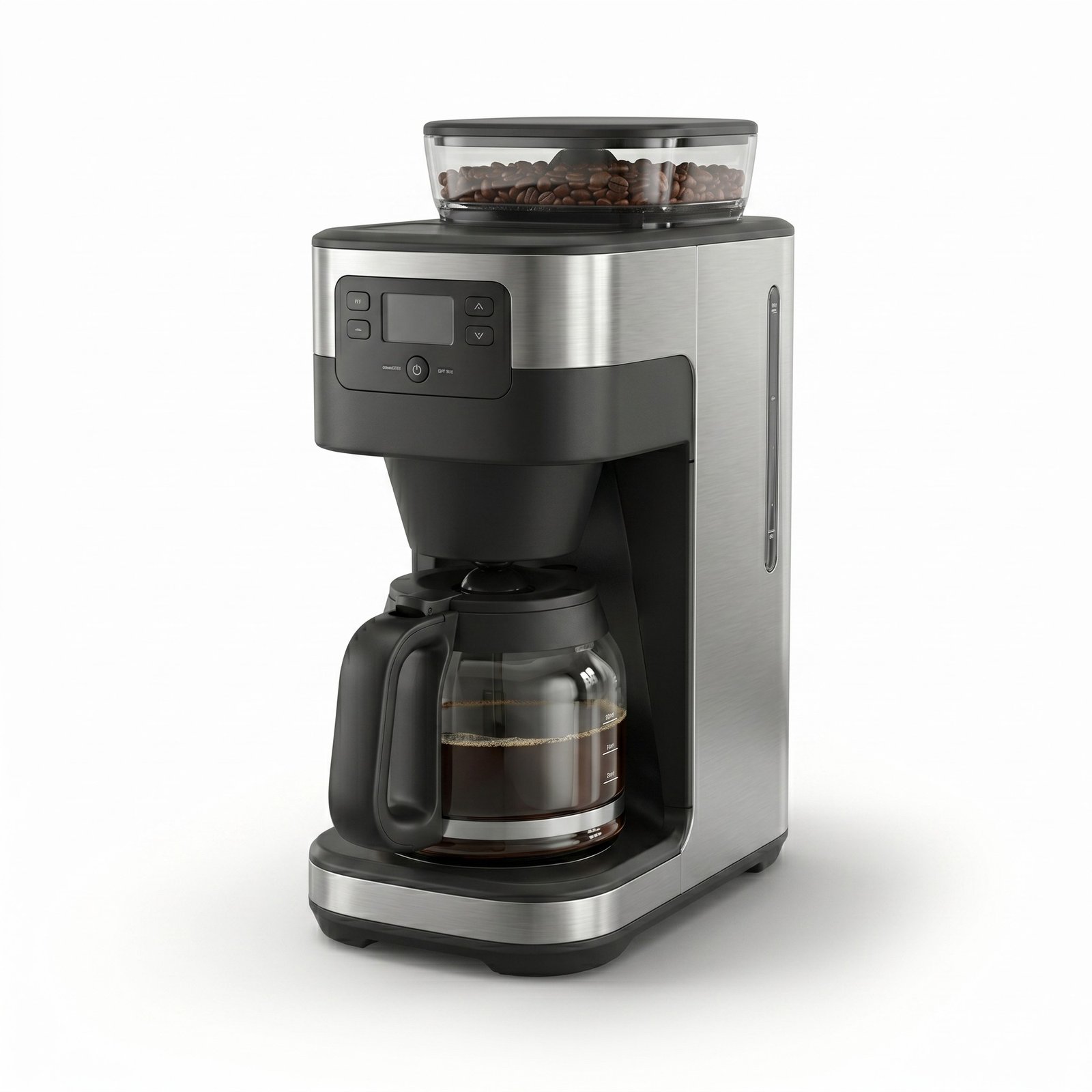
Reflections, glare, transparent components and metallic chassis are what make a hero shot of headphones or a speaker cost ₹50,000 to ₹2,00,000+ in a traditional studio. In CGI, the finish is a material definition, not a lighting fight, so a brushed aluminium body reflects exactly as intended without a retouching pass.
Silo renders, lifestyle scenes, exploded views, 360-degree spins and product animations then come off the same model, which is why audio brands like Mivi are one of the categories moving fastest.
2. Furniture and home décor
The friction here is physical. A sofa costs ₹1,00,000+ to shoot once you have shipped it, staged a room around it and lit it. Do that again for five fabric variants and the number multiplies.
A single 3D model of the sofa carries every fabric, every colour and every room context. AR-ready assets and scale-reference renders fall out of the same file, which matters for a category where customers hesitate on size and finish.
3. Beauty, skincare and personal care
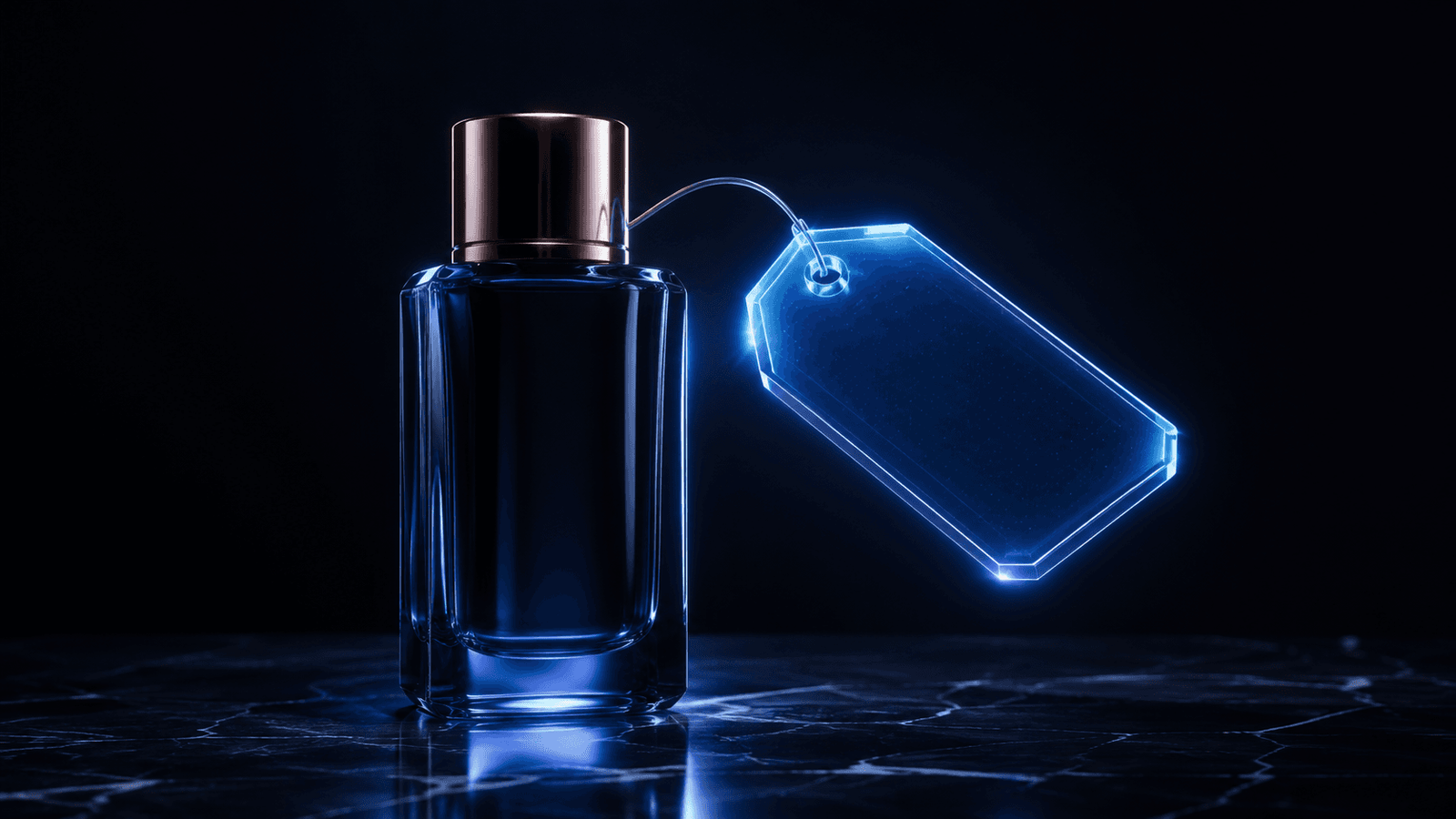
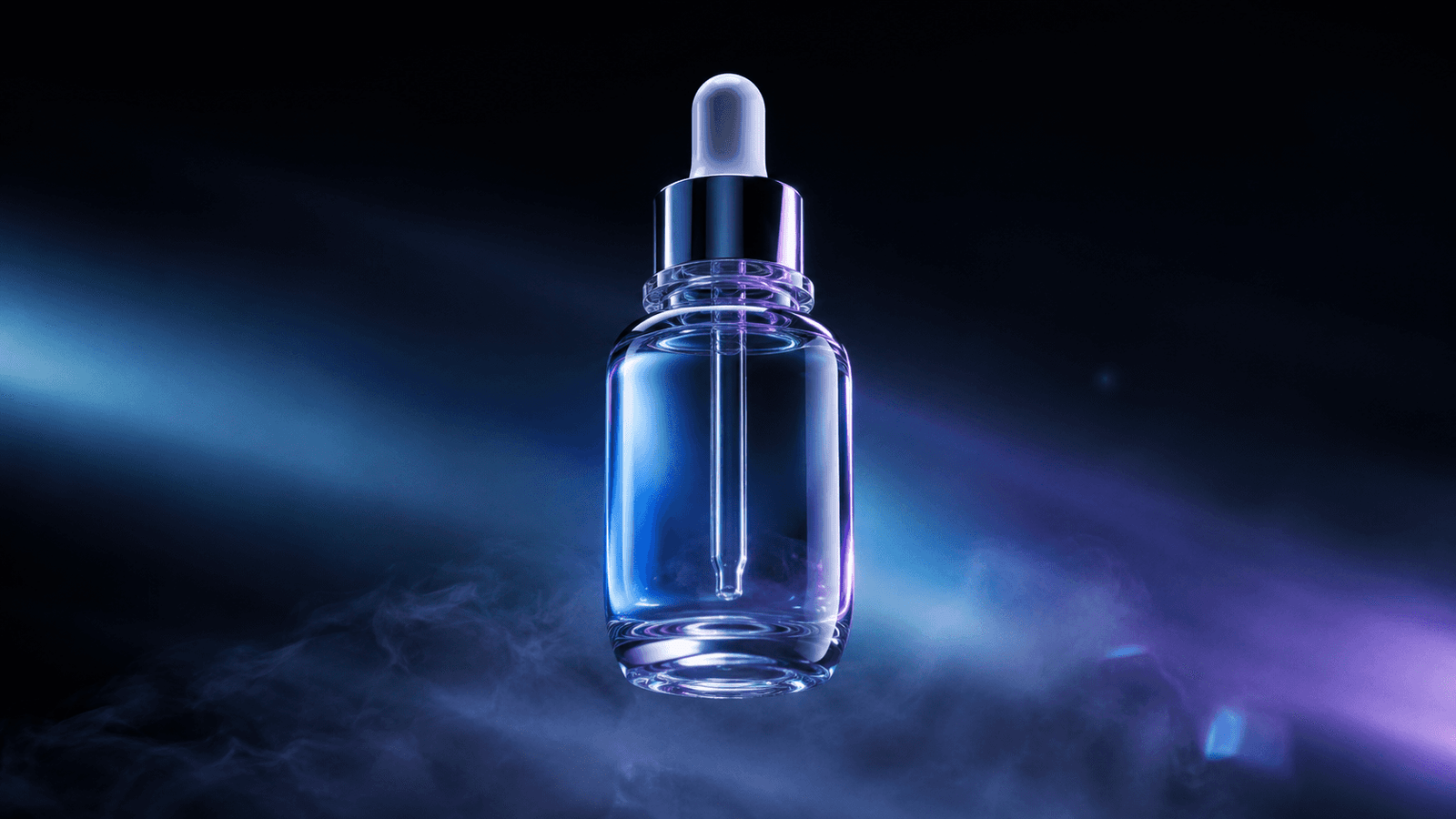
Glass bottles distort light unpredictably and a single fingerprint on a shoot day means a reshoot. Label text is the other silent cost, because a crisp label at hero-image resolution is a retouching job every time.
In CGI, label text is perfectly crisp at any resolution and does not have to be re-fought on every SKU. Bundle imagery, A+ content and seasonal campaigns then use the same models without another shoot day.
4. Fashion and accessories
Bags, belts, watches, jewellery and sunglasses live or die on macro detail. Traditional macro work needs a specialist photographer and a lot of time; CGI produces that clarity as a matter of geometry.
The bigger gain is colourway volume. One handbag model becomes ten leathers and five hardware finishes without another shoot, which is how catalogue-heavy fashion brands stop drowning in variant production.
5. Food, beverage and packaging
Real food styling fights the clock: ice melts and fresh produce wilts within minutes on a lit set. Most FMCG imagery is actually packaging imagery, and packaging is exactly what a 3D pipeline handles best.
Once the pack is modelled, consumption contexts, a beach setting, a gym bag, a mountain sunrise, become scene files rather than location shoots, and condensation and droplet effects render on demand.
6. Automotive and auto accessories
Cars are the hardest thing to photograph well: you need scale, access and a studio that can hold a vehicle. Alloy wheels, seat covers, dashcams and audio systems inherit all of that friction from the vehicles they sit on.
In CGI, alloy wheels can be rendered on a range of vehicle types without photographing a single car. Every physical constraint of the shoot, vehicle access, studio size, angle limits, disappears at the file level.
7. Health, wellness and fitness equipment
Large equipment is nearly impossible to show in realistic home environments without renting a home. A photoreal home-gym scene, rubber flooring, mirrors, natural light, is a scene file in CGI, not a location shoot.
The same 3D asset then produces lifestyle renders, detail components, colour variants, exploded views and animations, which is what mid-sized fitness brands need to compete against players ten times their size.
Where CGI is not obviously the answer
Handmade goods, editorial fashion, food where appetite appeal depends on real texture, and any category built around candid human moments still favour photography. CGI wins hardest where the customer is buying a physical object whose finish, material and detail have to be exactly right, which describes most of the seven industries above, but not all of ecommerce.