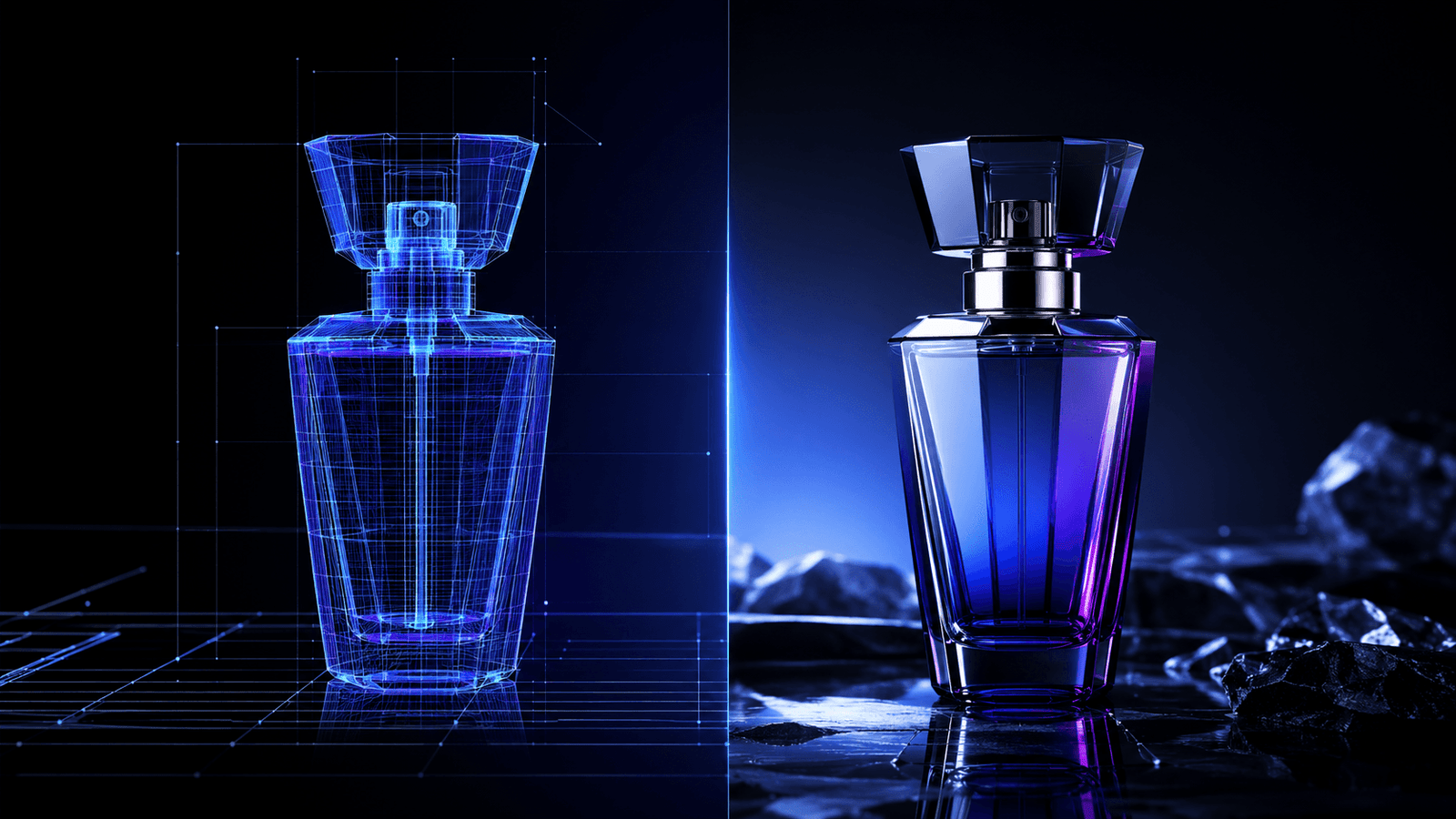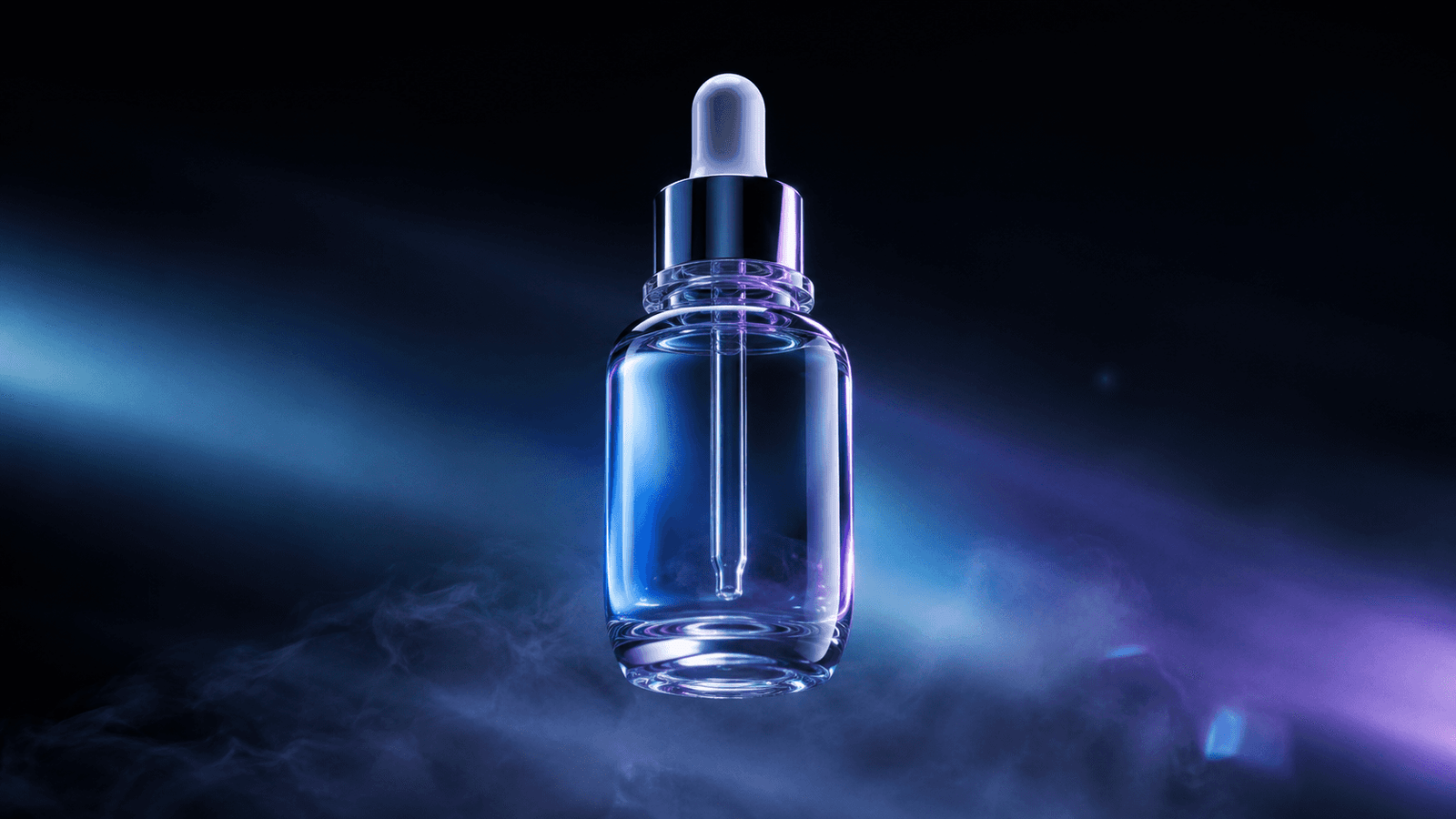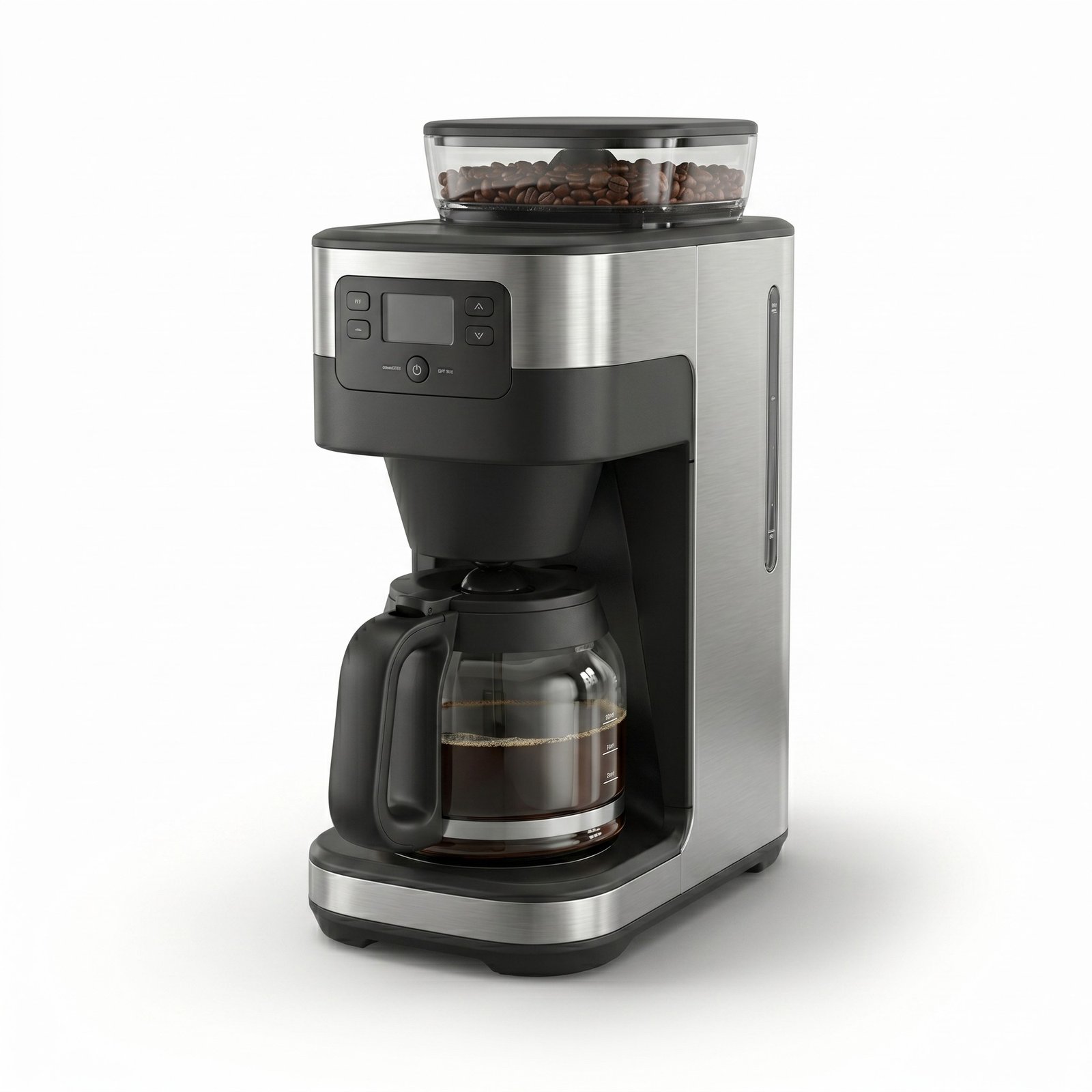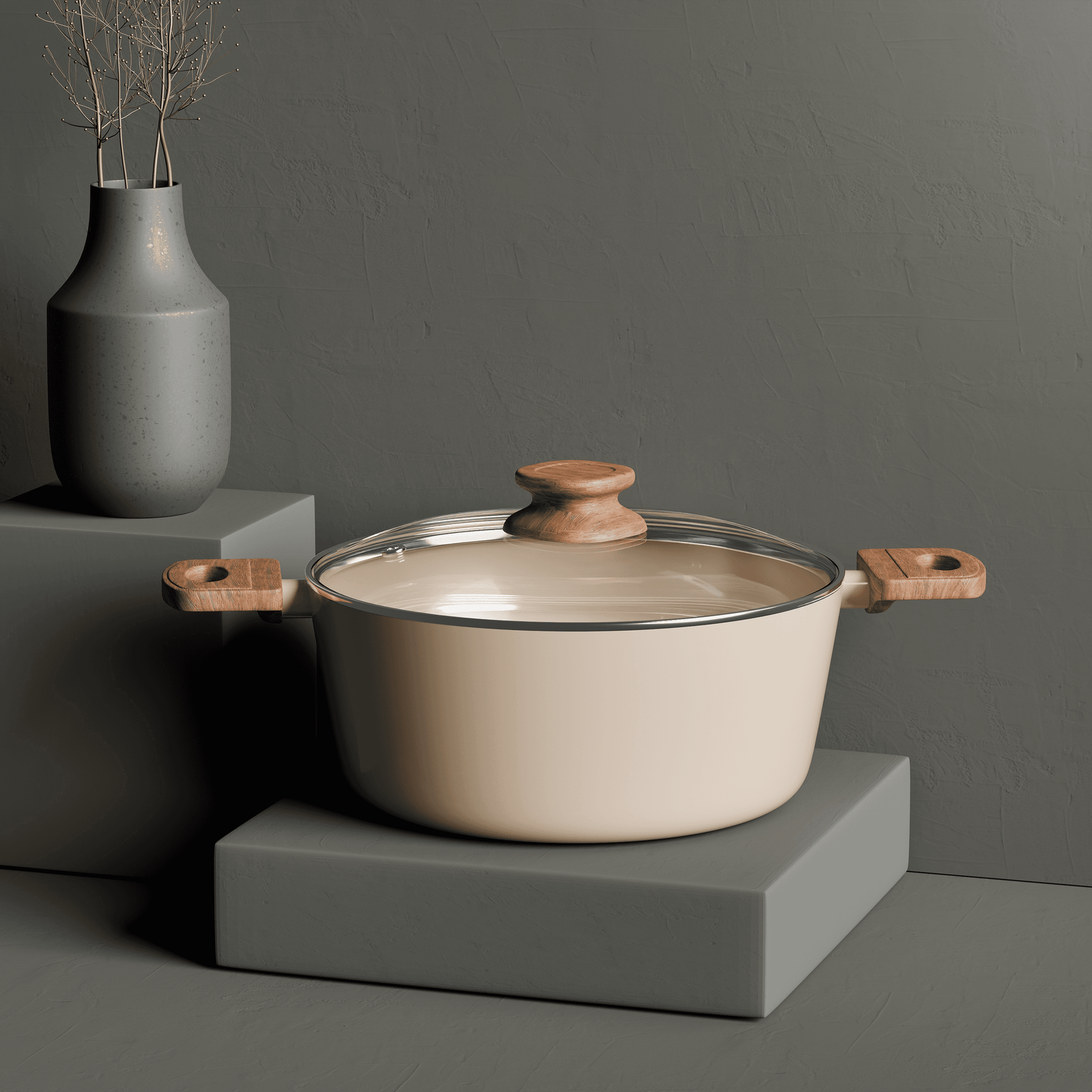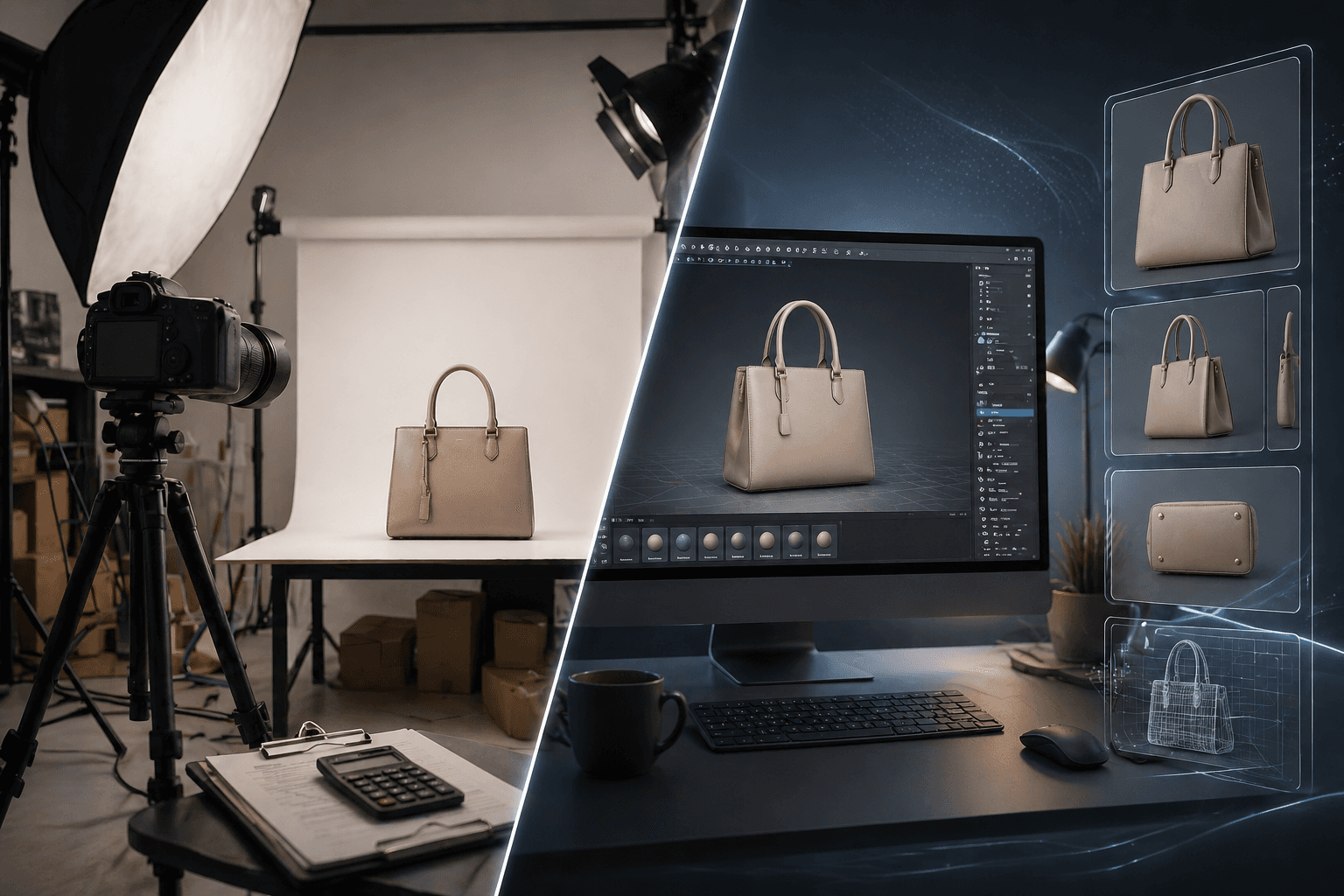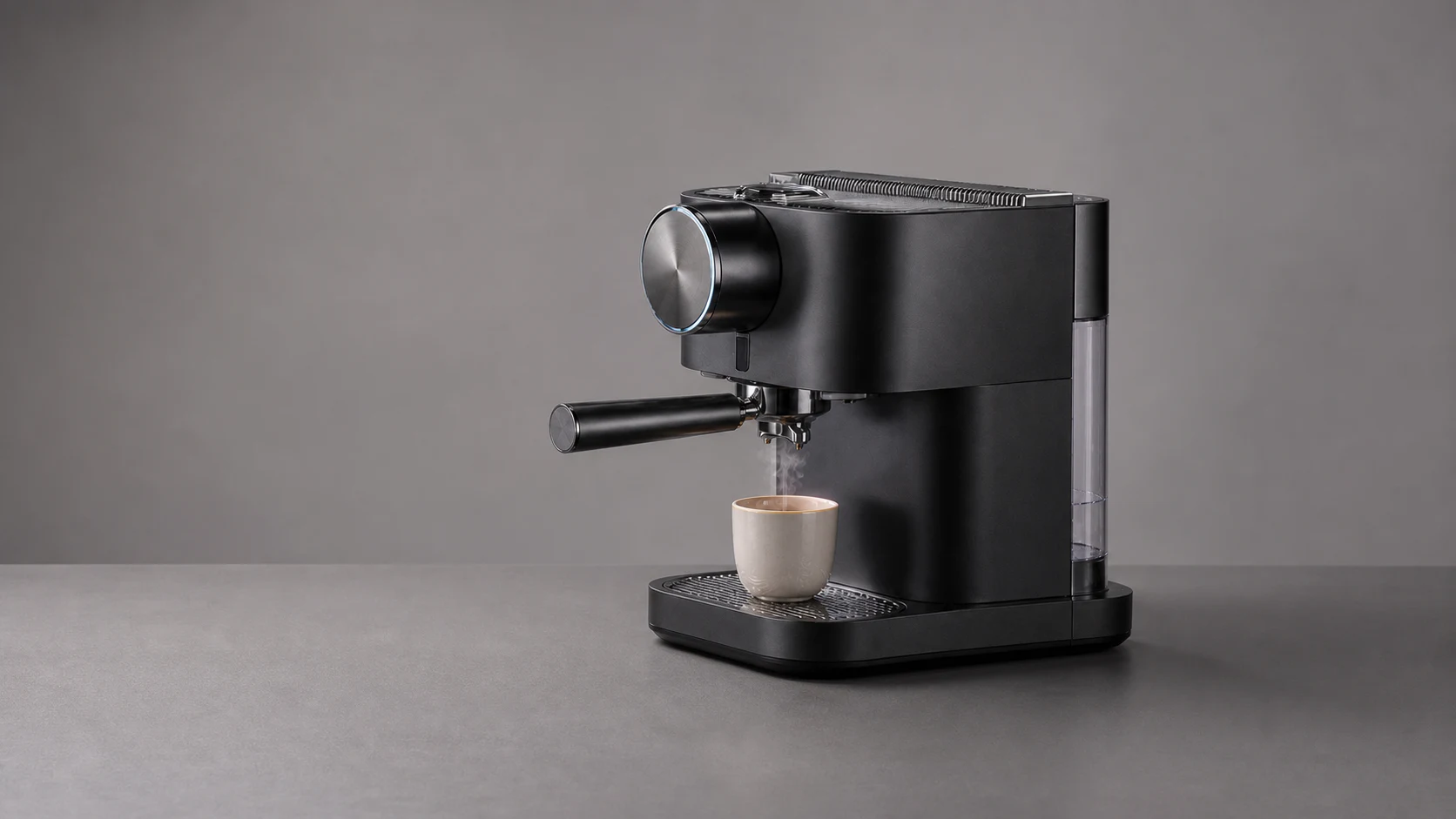
For an Indian D2C brand selling hard goods, furniture, electronics, FMCG, appliances, a CGI-based photoshoot alternative typically cuts content costs by around 58% and removes the sample-shipping wait entirely. For food and on-model fashion, a traditional shoot is still the right tool for hero campaigns.
What a "photoshoot alternative" actually means
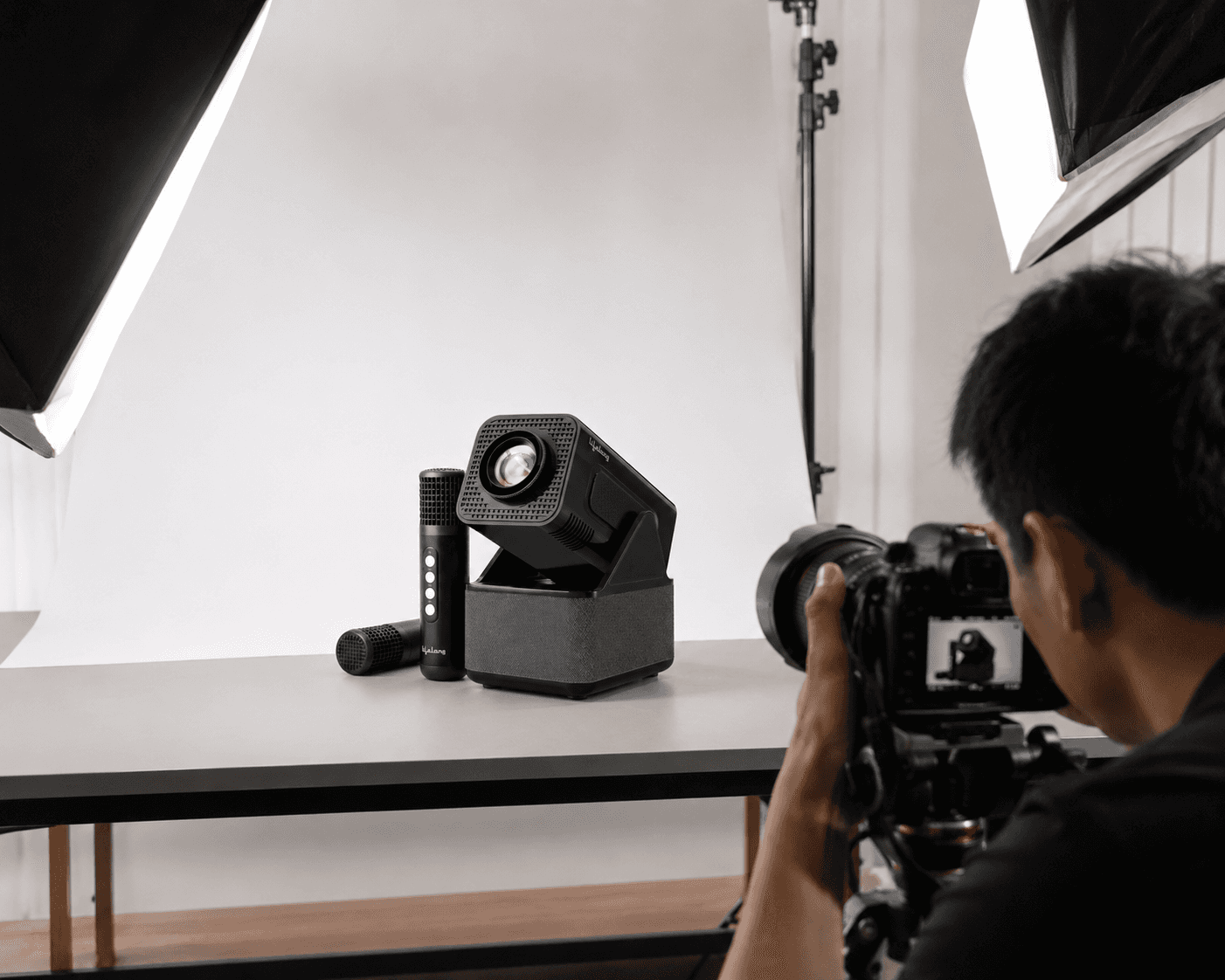
Producing the same product visuals without a physical camera shoot. In 2026 that is CGI (3D rendering) as the main option, with AI generation as a supporting one for backgrounds and iteration. Traditional shoots cost around ₹40,000 or more per launch by the time studio, styling, samples and retouch are counted. CGI front-loads the cost into the first 3D model, then variants render for a fraction of a shoot.
Why Indian D2C brands are moving
- Cost stops scaling. The first model is the expensive part; a festive background afterwards is a small render job, not another ₹40,000 booking
- No samples, no waiting: the product can be rendered before manufacturing finishes
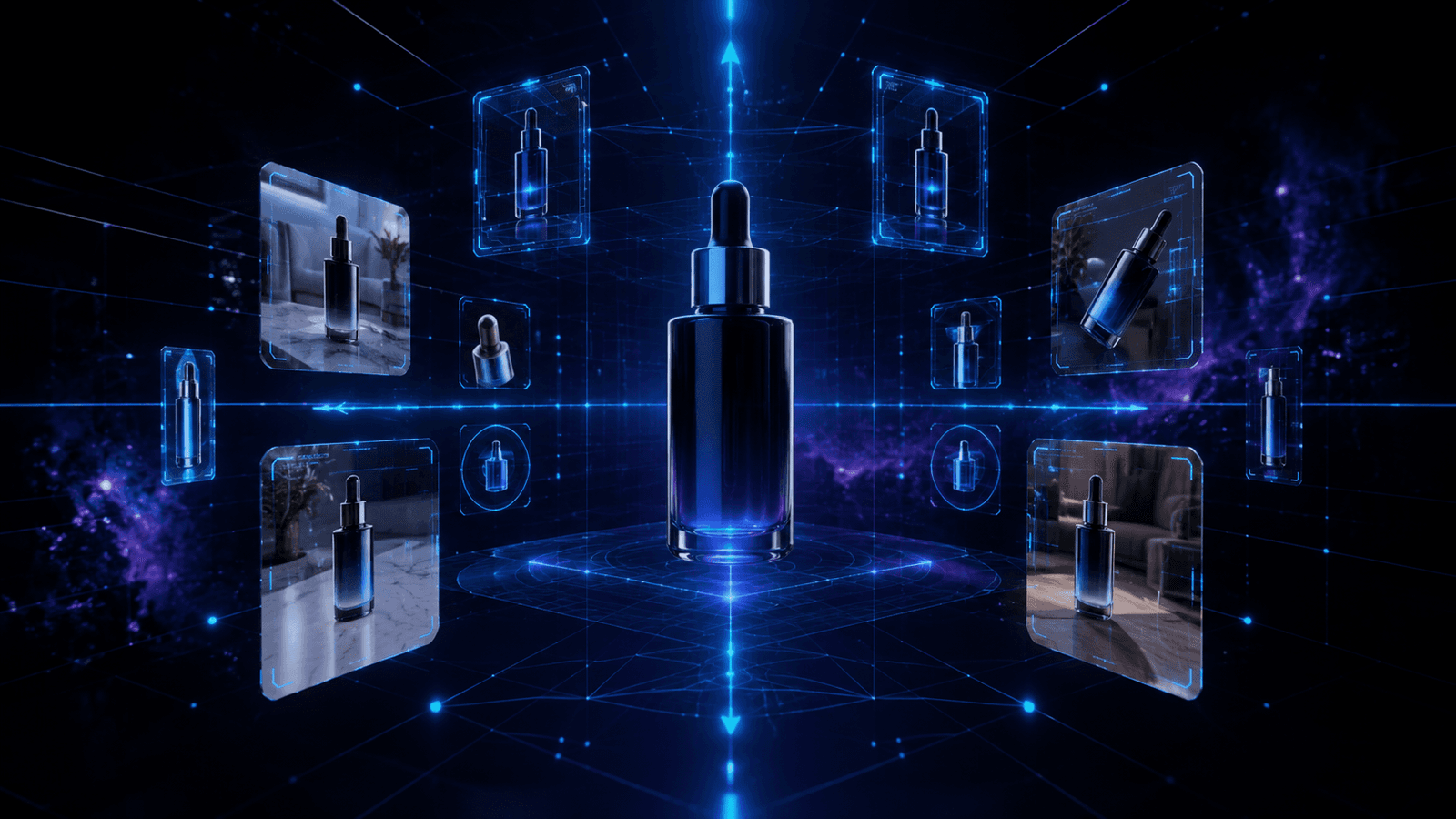
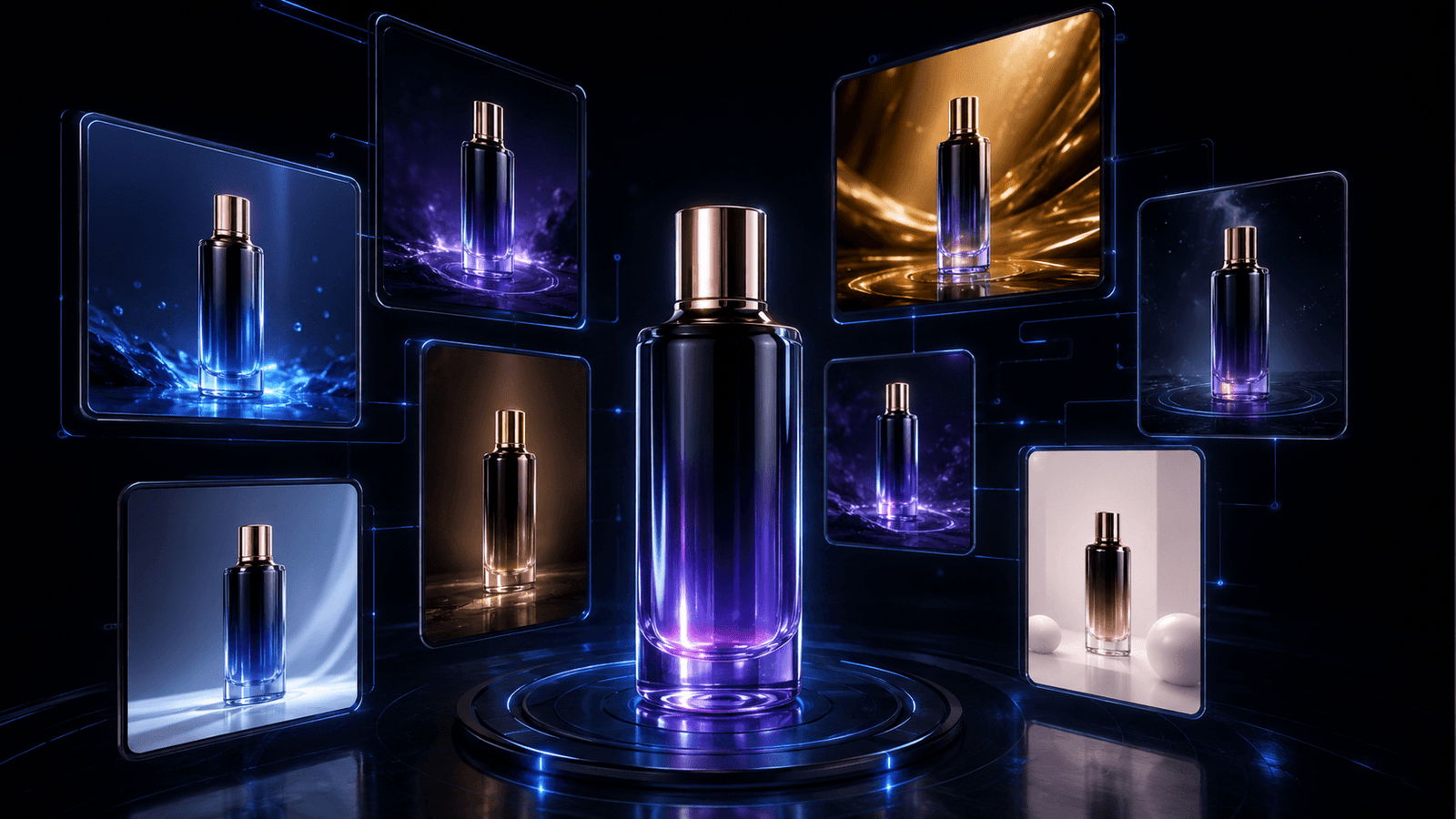
- One model, many variants: unlimited backgrounds and scenes turned around same-day or next-day
- Reported industry savings: around 58% cut in content production costs (Forrester)
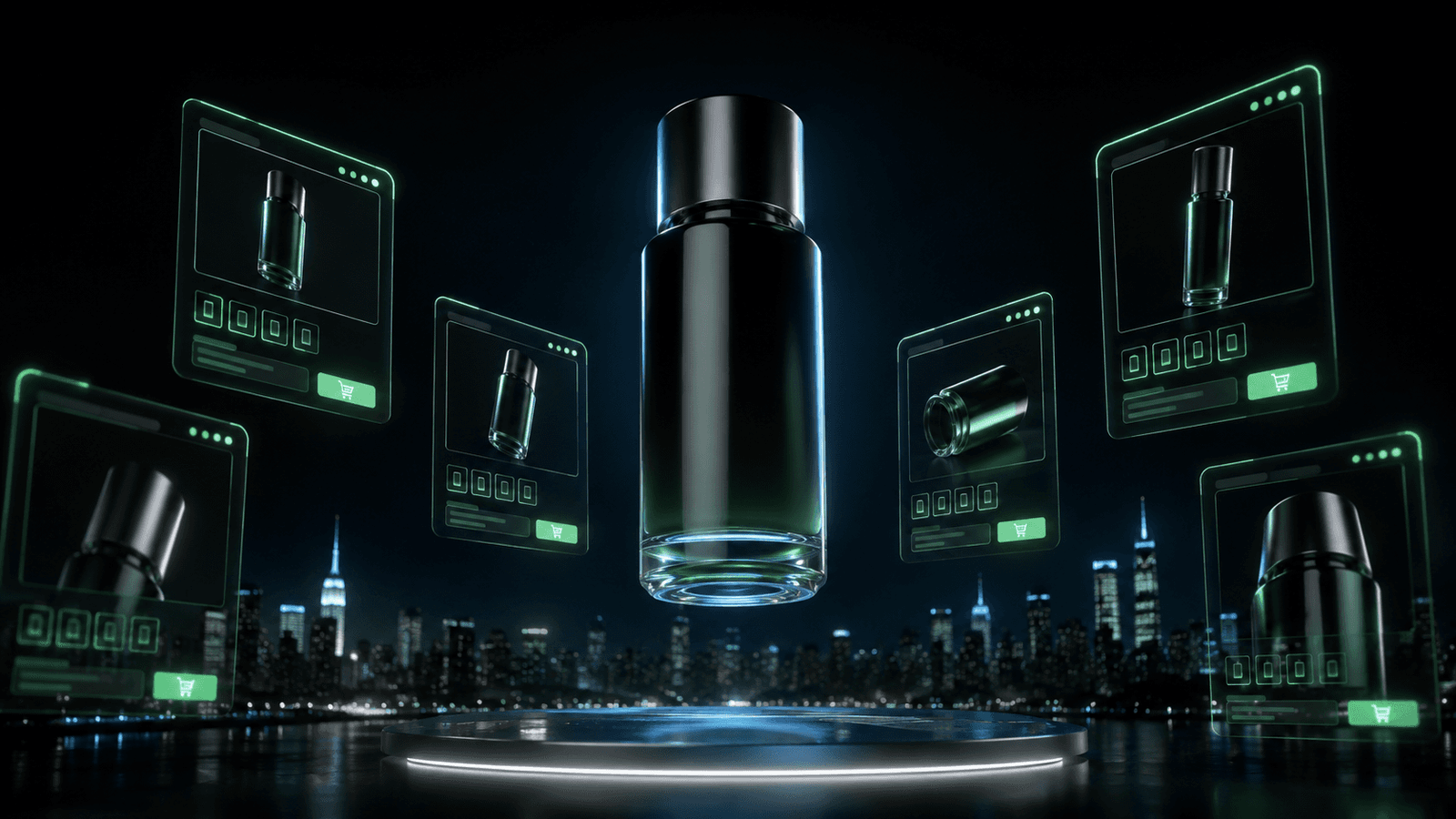
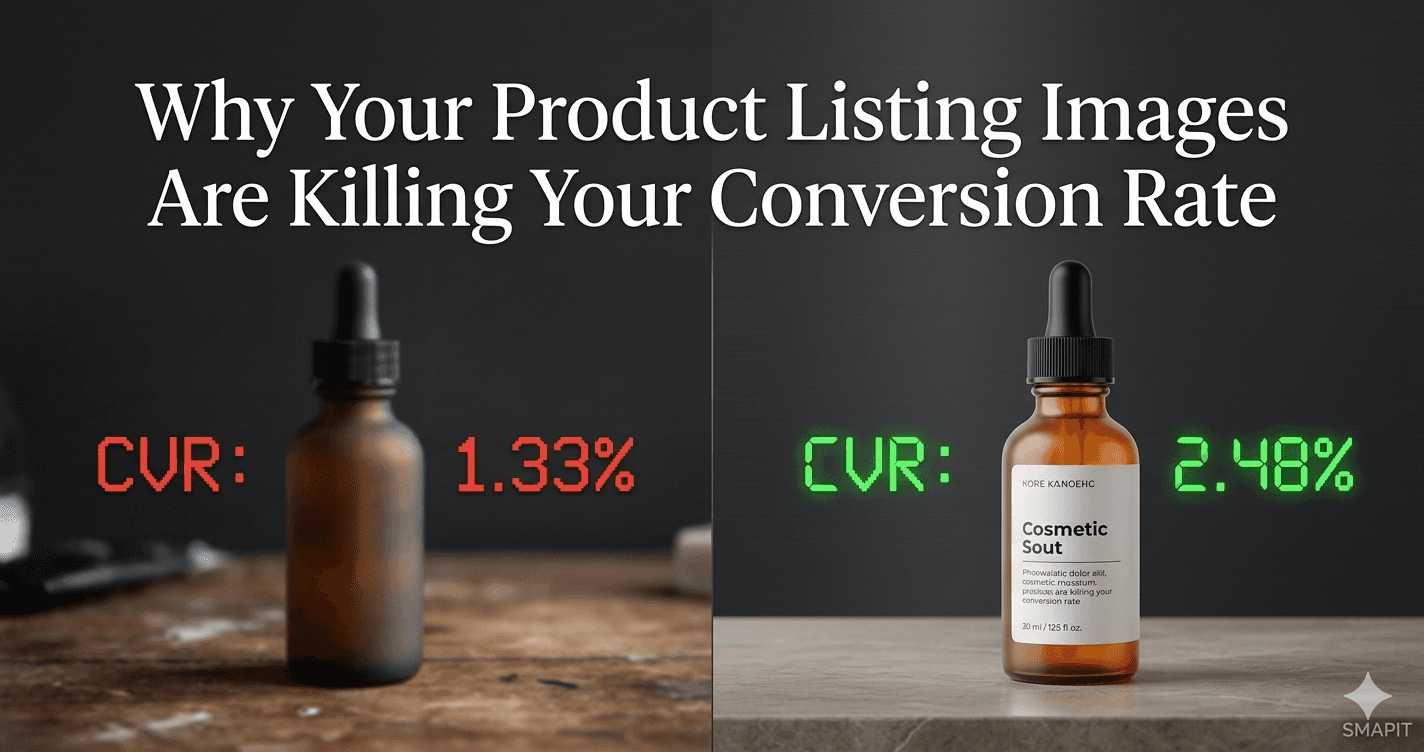
- Conversion signal: a Shopify case study saw 27% higher order placement and 44% more cart-adds when 3D interaction was added
How the CGI process runs in practice
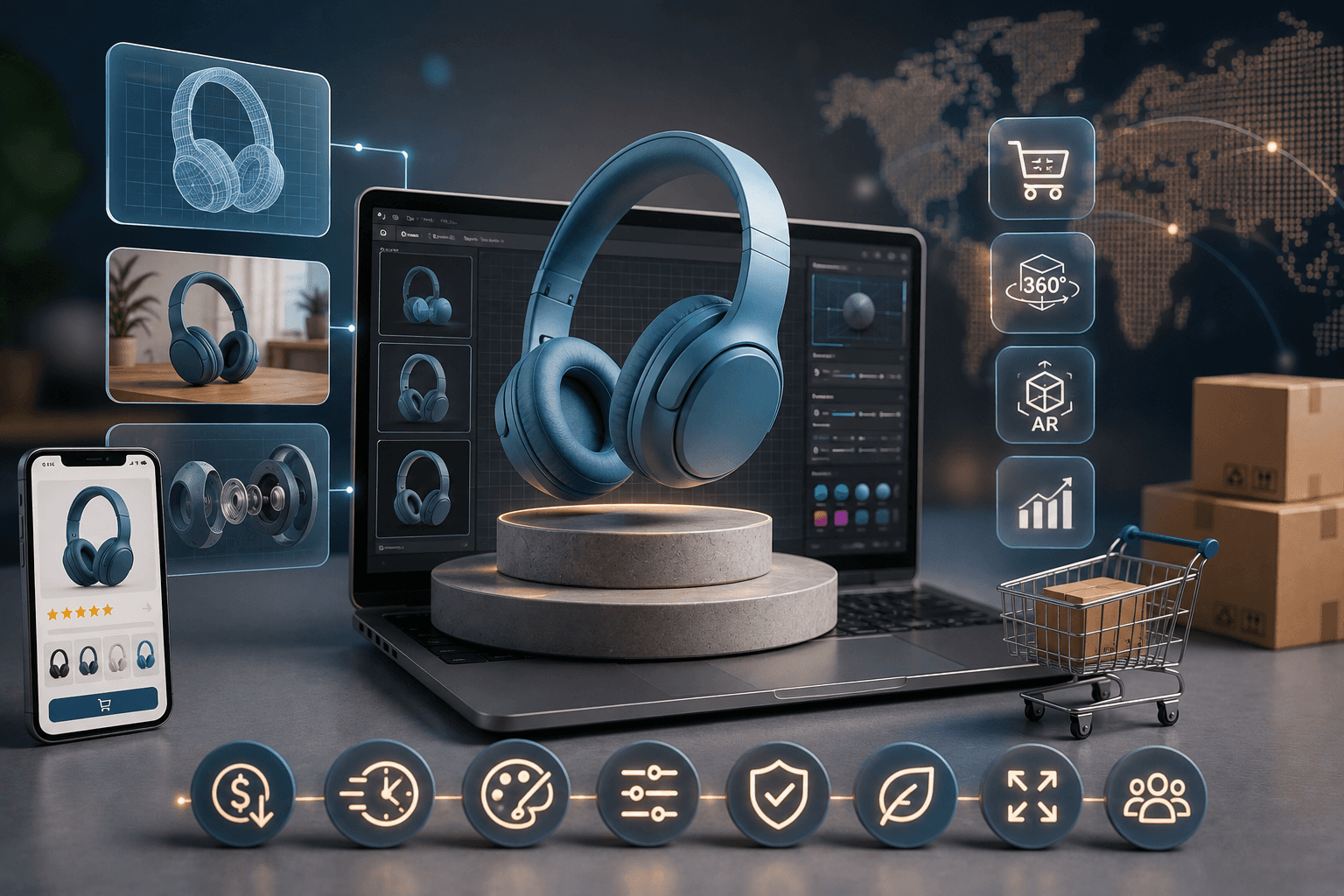
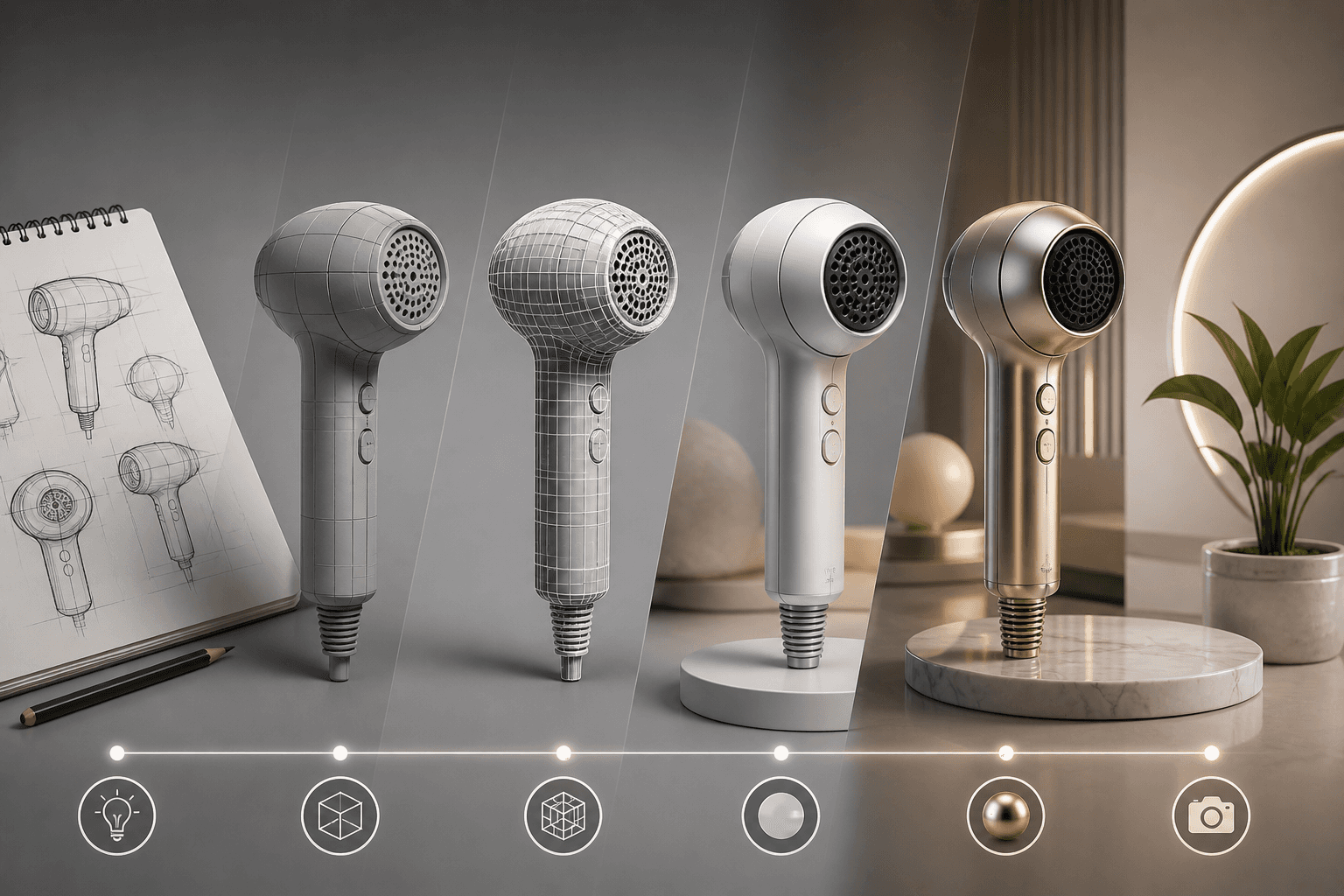
Four stages: reference and brief → 3D modelling → texturing and lighting → render, review and deliver. First product typically takes five to ten working days; every subsequent variant lands within hours to a day.
Shoot vs CGI, straight
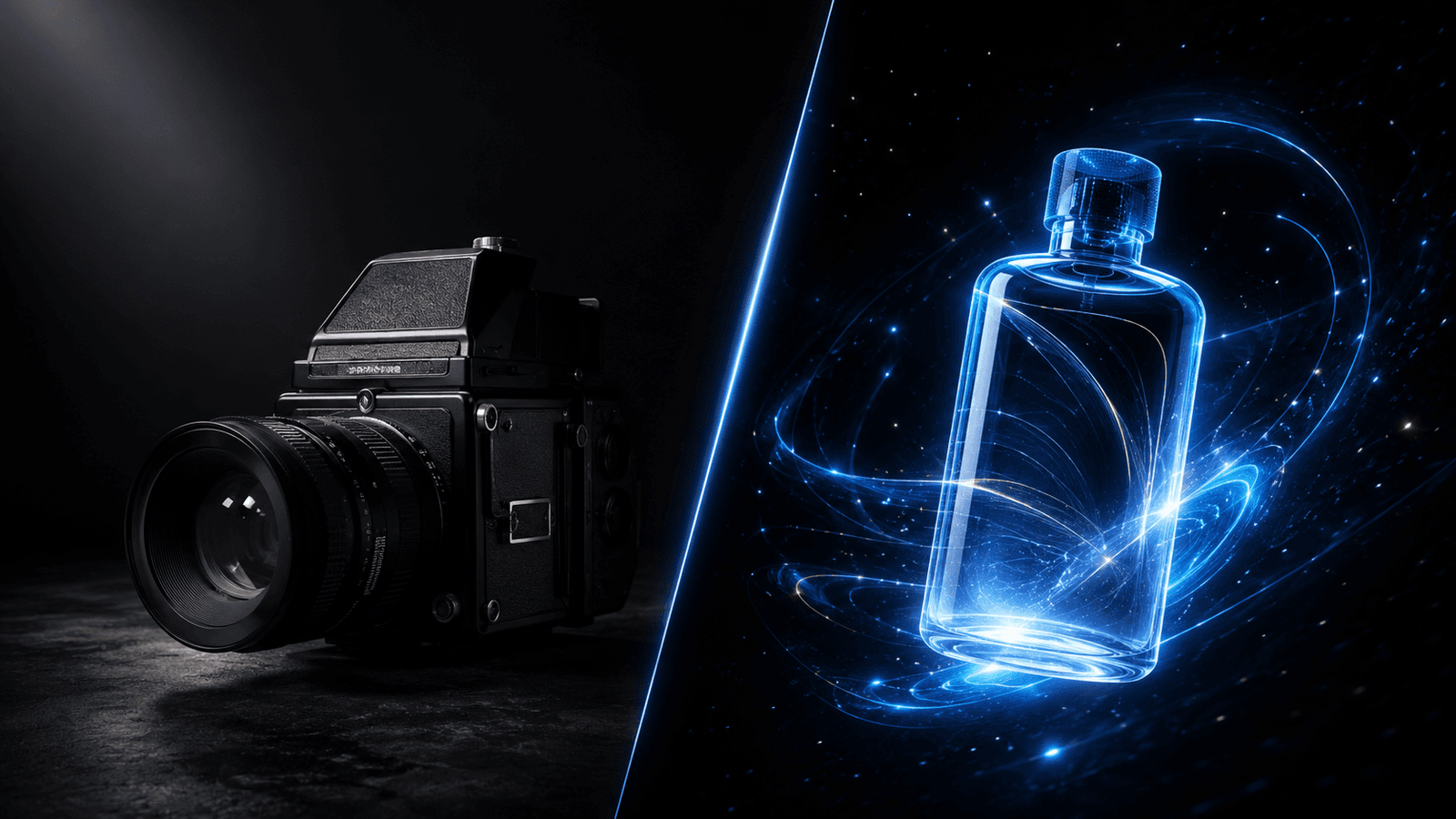
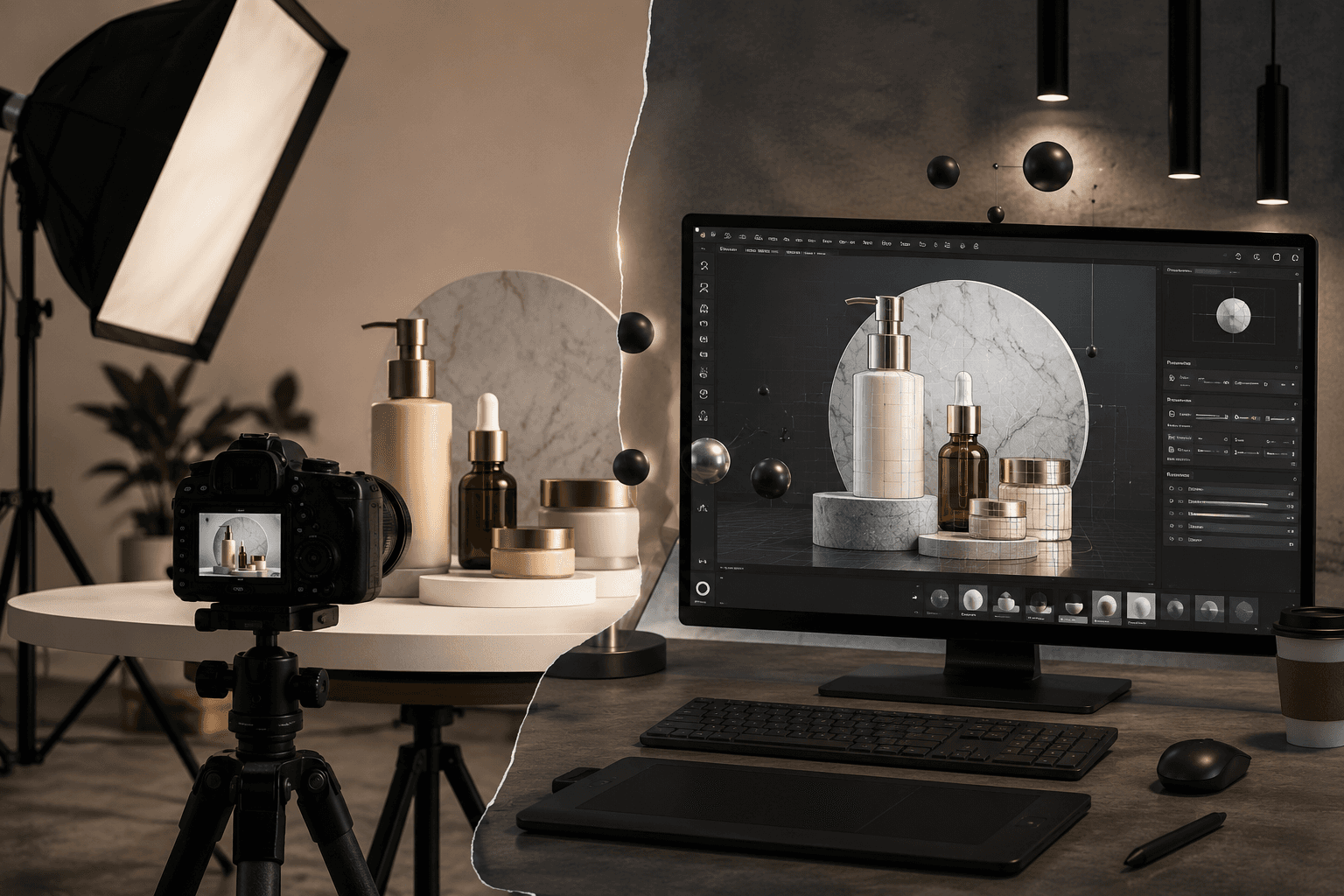
Cost per variant: shoot pays full cost every time, CGI is a small render after the first model. Speed for variants: shoot in days to weeks, CGI in hours to a day. Physical sample: shoot needs one, CGI works from files. Backgrounds and scenes: shoot is limited by set and budget, CGI is unlimited without reshoot. 360° spins and animation: expensive specialist rig for a shoot, built from the same model for CGI.
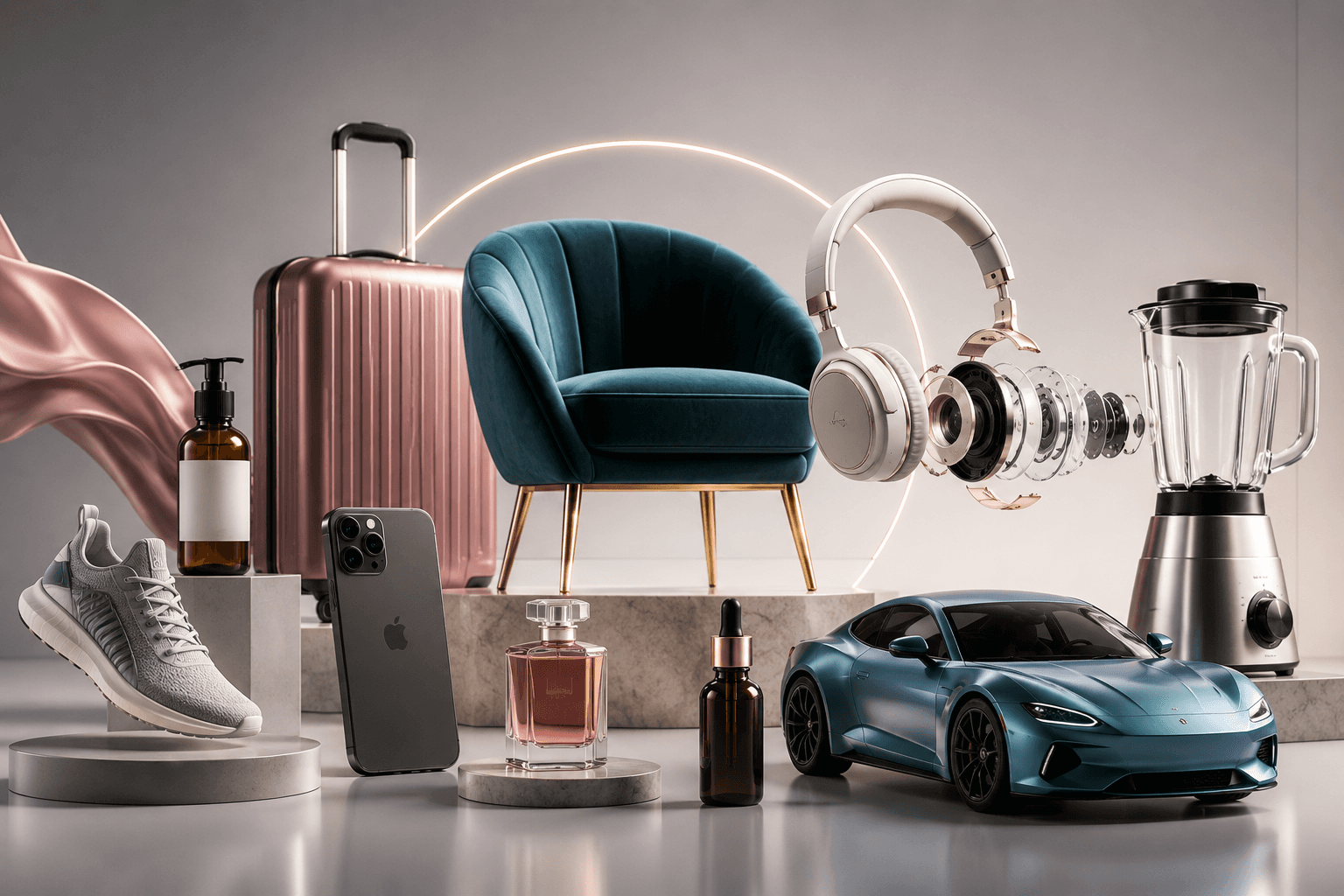
Best-fit split: shoots for food, on-model fashion and texture-heavy work; CGI for furniture, electronics and FMCG.
What it actually costs in India
A traditional shoot runs from a few thousand rupees for a basic white-background pack to ₹30,000-40,000+ once styling, models or a location are involved. A CGI model carries a higher upfront cost, then each variant runs a fraction of a fresh shoot. For a brand that launches multiple SKUs a year, the model usually pays for itself inside the first or second launch cycle.
CGI vs AI vs a real shoot
- CGI: dimensional accuracy, brand consistency, marketplace-compliant; higher upfront and a 5-10 day first-product timeline
- AI: fast, cheap, great for lifestyle and social variants; unreliable on dimensions and labels, so keep it to secondary imagery
- Traditional shoot: still the answer for fresh food, on-model apparel and unrepeatable real-world texture
Plenty of brands run both, CGI for the core catalogue, one or two shoots a year for hero campaign imagery. That hybrid usually beats either extreme.
When to switch
The maths tips once a product will appear in more than a handful of contexts, or once the same product will be shot again within a year. Catalogue ranges, seasonal pushes, marketplace listings and anything with colourways are the clearest cases. A single hero shot the brand will never repeat is one place a shoot still wins on economics.