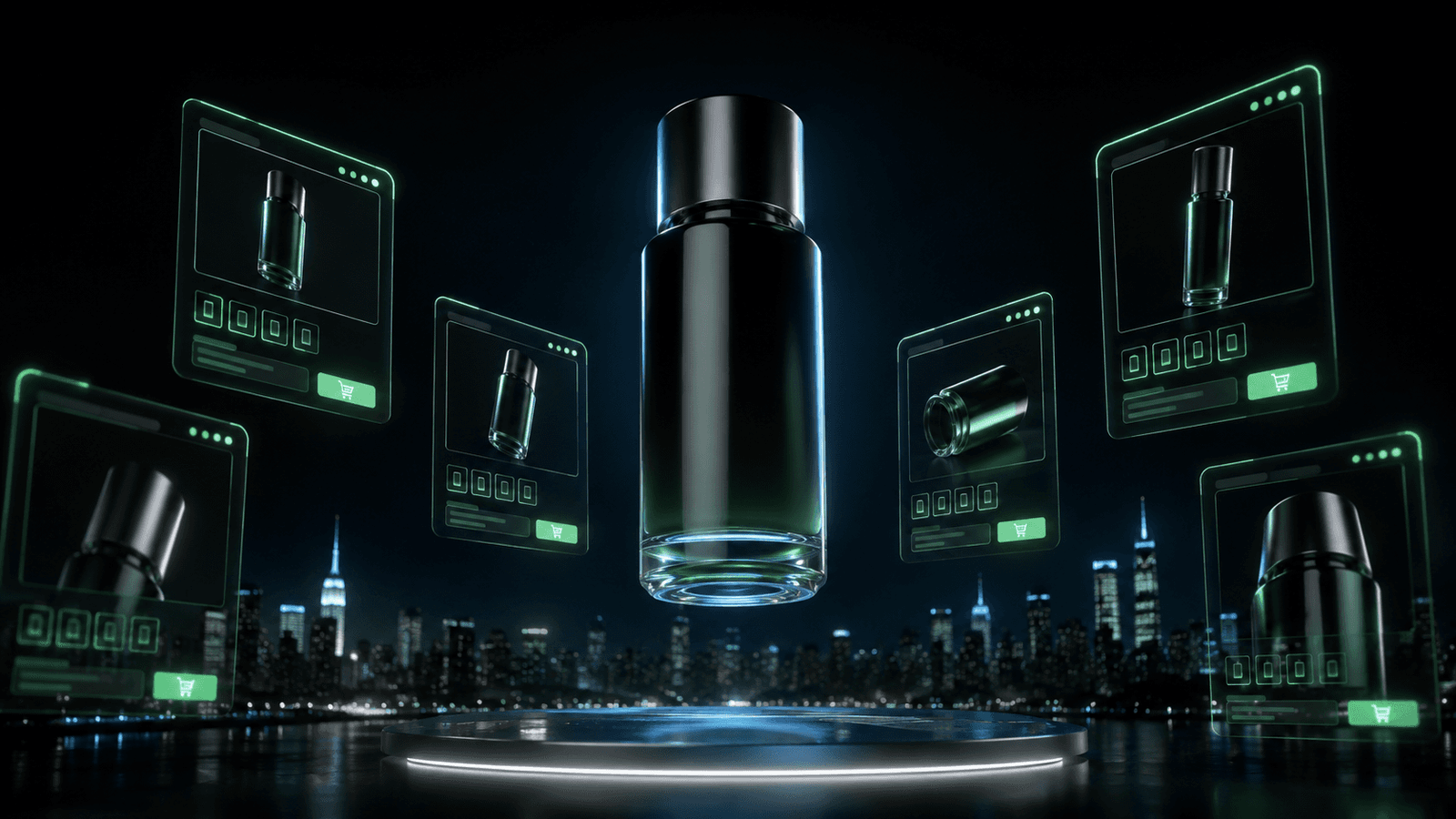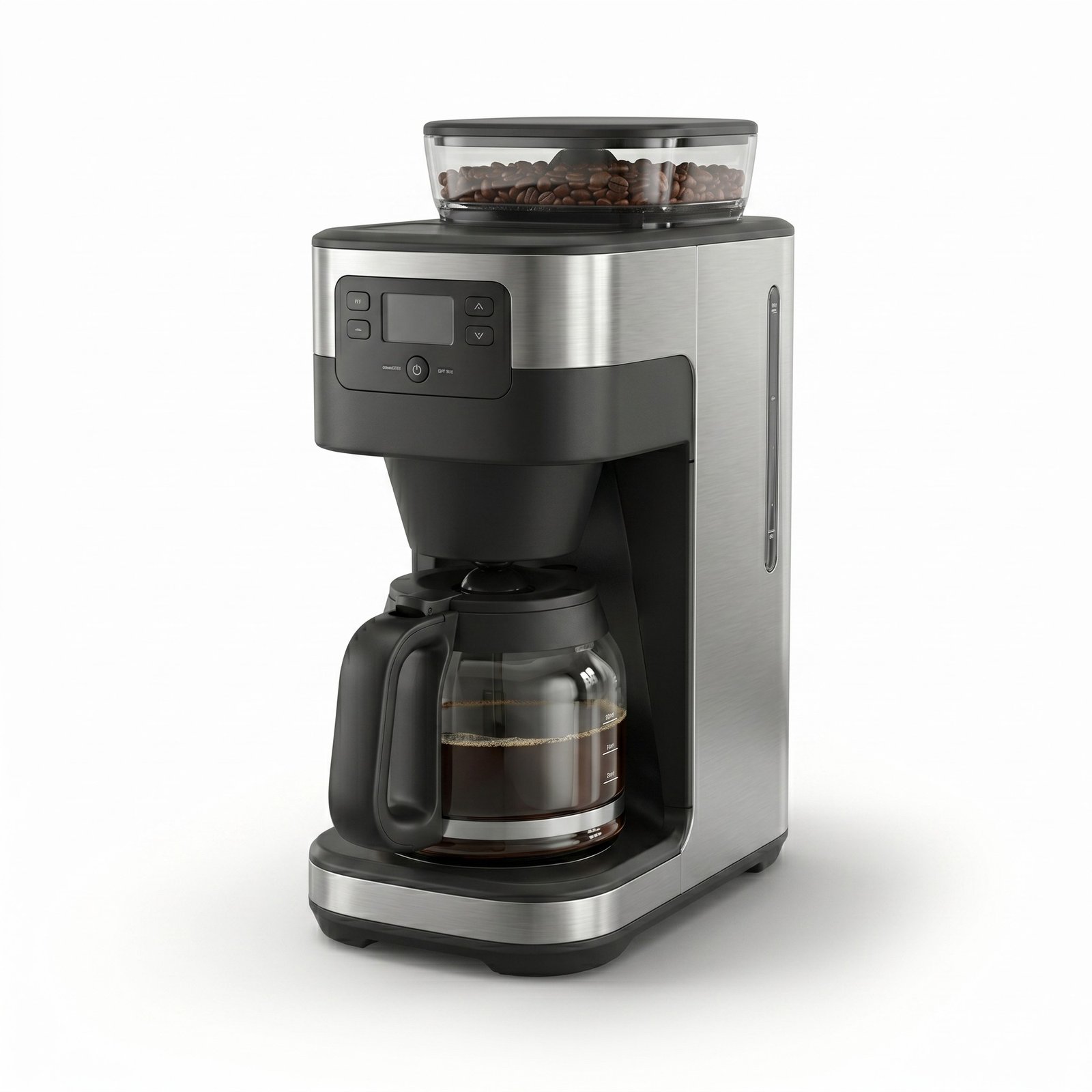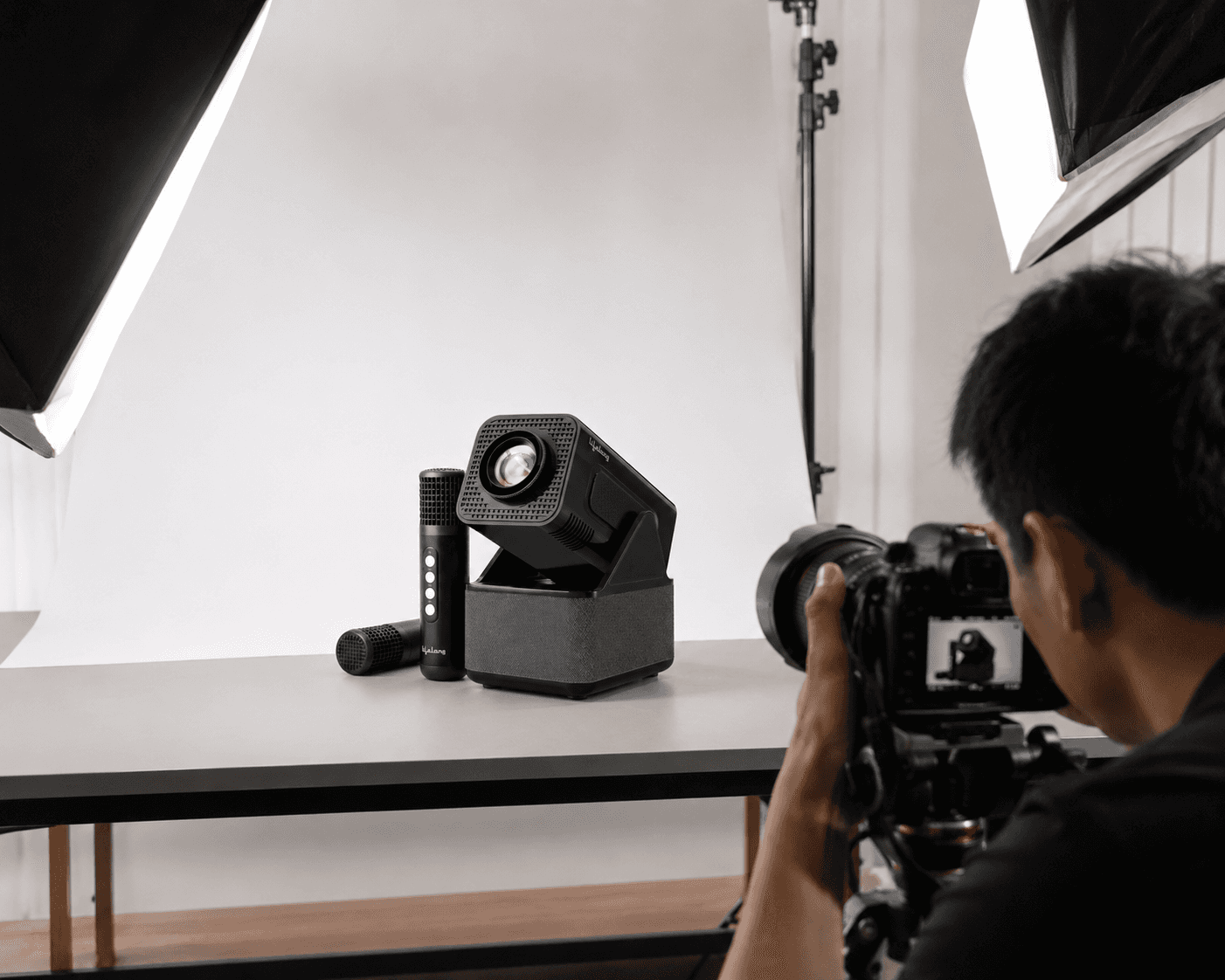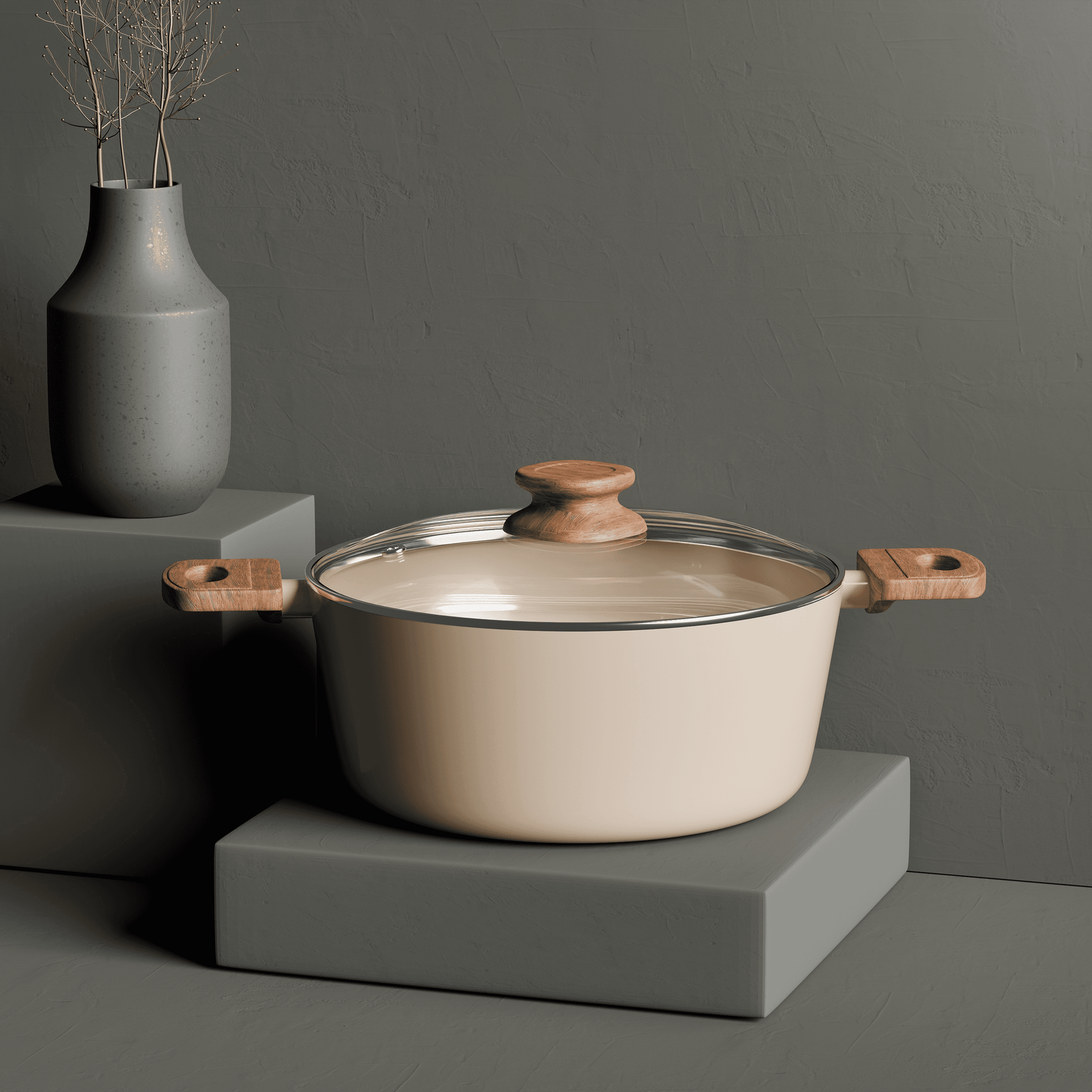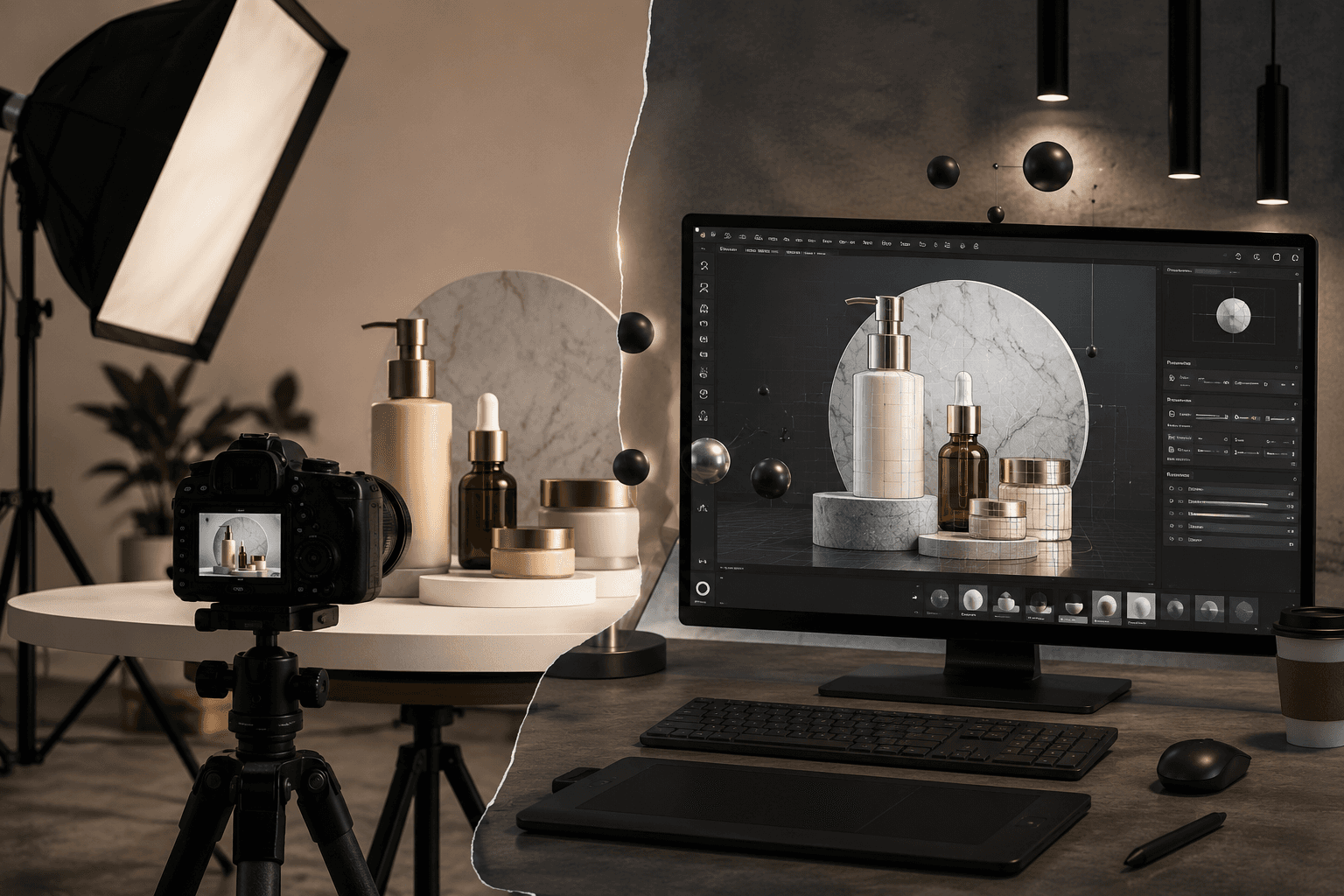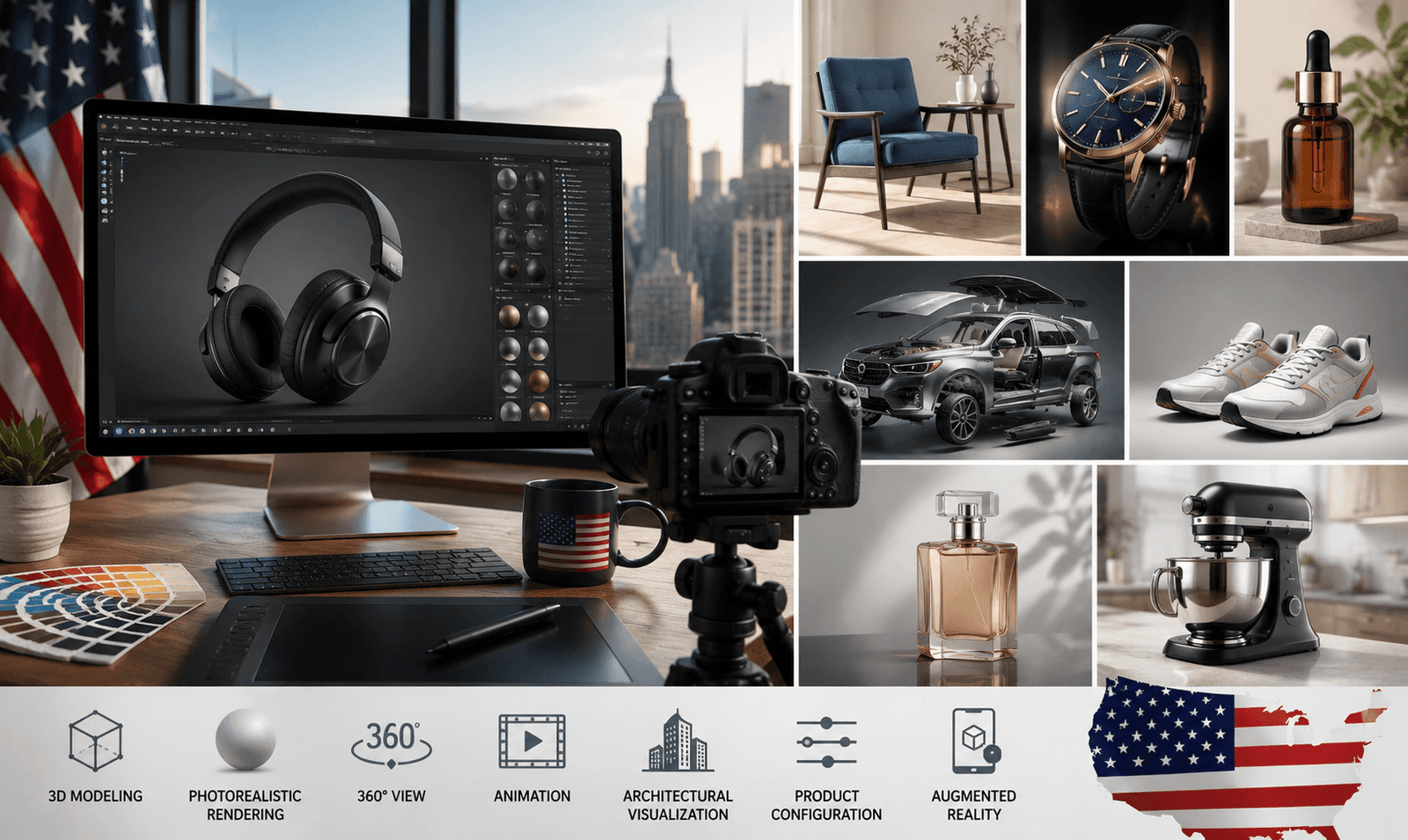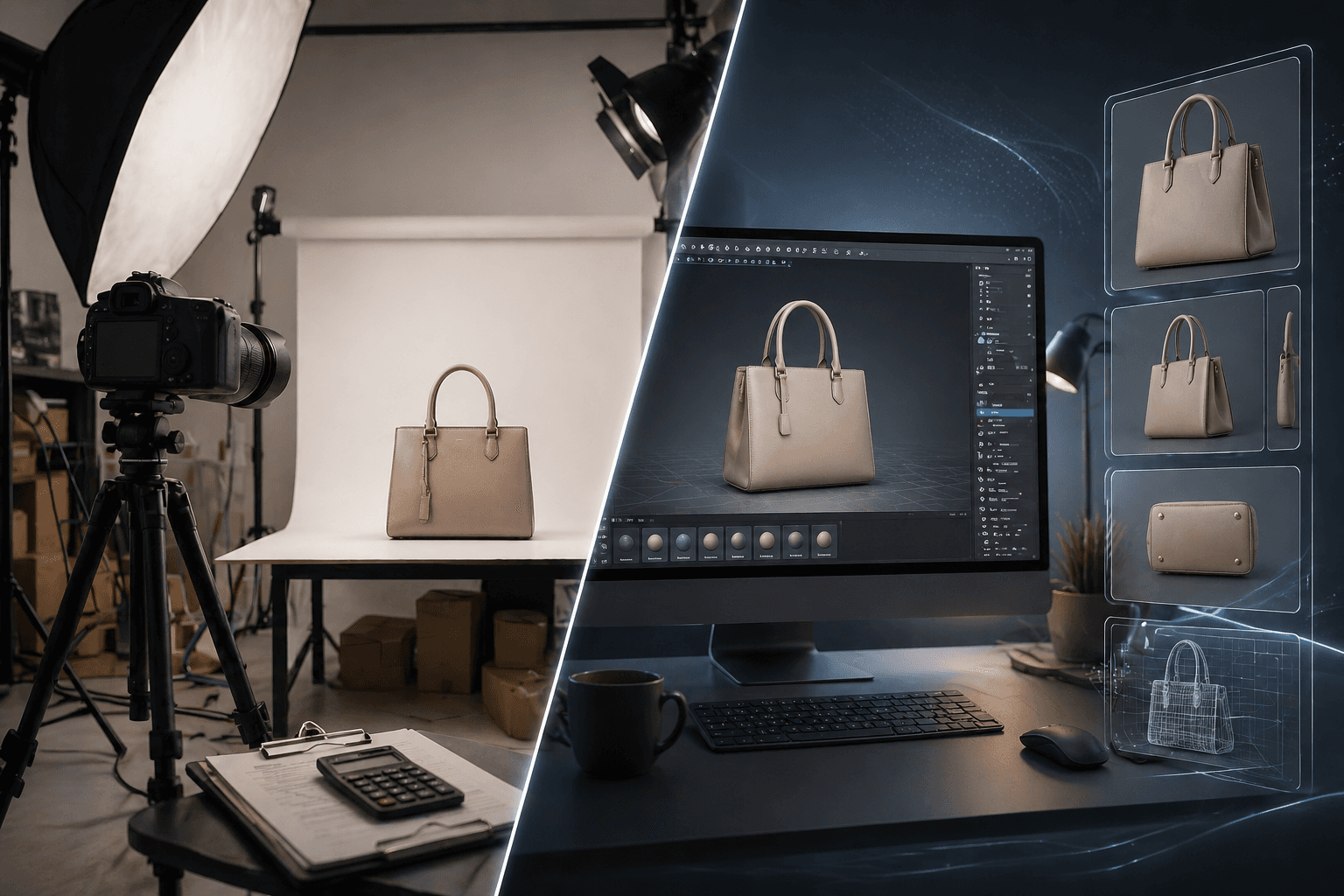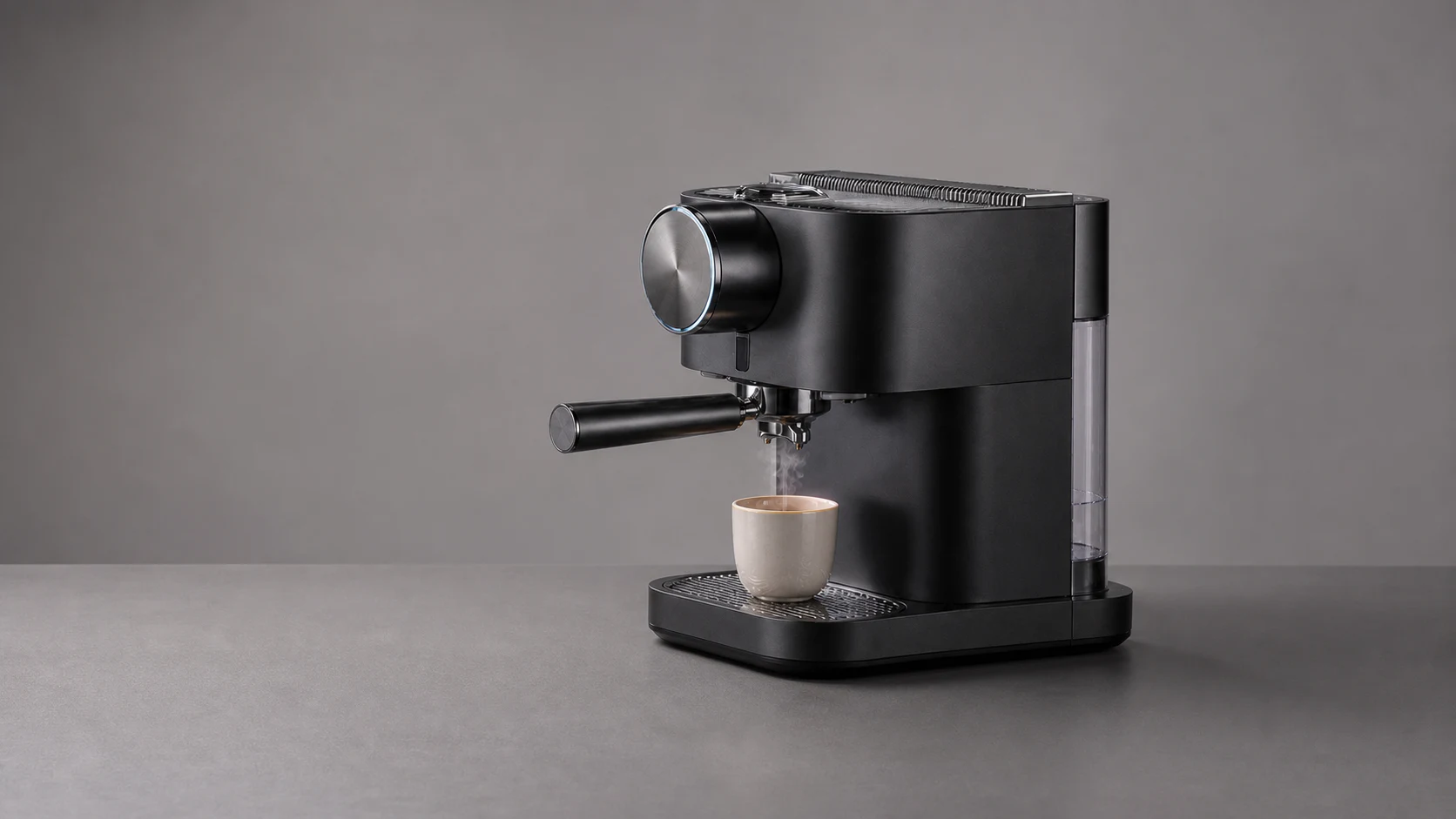

3D product rendering transforms Amazon listings because every element the platform asks for - the main image, the variants, the A+ modules, the 360 view, the listing video, the AR asset - comes out of a single accurate model of the product. Everything below is what that looks like on an actual listing page.
1. Main images that meet Amazon's spec without a fight
The platform wants a pure white background (RGB 255,255,255), the product filling 85% or more of the frame, a minimum 1000px on the long edge, sRGB colour and JPEG output. Retouching a photo to hit these is where studio hours disappear. In a render the compliance is built into the output, not corrected into it.
2. Lifestyle imagery without a location shoot
Lifestyle images answer where the product lives, which is one of the biggest conversion moves on a PDP. A digital kitchen, bathroom, gym or outdoor scene is built once and reused across the catalogue and the seasonal refresh, without location scouting or a second production day.
3. A+ content modules that all match each other
A+ content lifts conversion by up to 8% on Amazon's own data. The value is highest when every module in the set reads as one design, and that consistency is much easier when every image derives from the same model, on the same rig, at the same resolution.
4. Every colour and configuration without a reshoot
For products sold in more than one variant, photography forces a choice: manufacture every variant up front, or shoot in waves. In CGI, colour is a material property change and finish is a texture swap. The full variant grid can be produced at launch instead of trickling in.
5. 360-degree views that actually look smooth
Amazon's 360 view helps customers make an informed decision, which brings returns down. A rendered 24 to 72 frame rotation shares identical lighting across every frame, which is why it does not flicker the way a photographed turntable often does.
6. Infographic panels that hold together as designs
Callouts, dimensions, materials and certifications work best when the product sits precisely where the layout needs it. Rendered images can be composed for the callout lines instead of the callout lines being squeezed around whatever the camera captured.
7. Listing videos without a video production budget
Professional product video runs anywhere from ₹50,000 to ₹5,00,000 or more. CGI animation off the same 3D model does things a camera cannot: an isolated smooth rotation, an exploded view, a cutaway showing how the parts sit together. Cost per second collapses when the model already exists.
8. Launching listings before manufacturing finishes
Rendering from CAD files and drawings lets the listing, the SEO copy and the PPC campaigns go live while the first production run is still in a factory. That is weeks or months of ranking history and search relevance the competitor waiting for inventory does not have.
9. Scaling a whole catalogue without breaking cost or quality
The photography ceiling is real: a large catalogue either drains the budget or drops in quality. Brands moving to CGI at scale typically report 60 to 70% savings on visual production, because variants cost marginal money once the base model exists.
10. AR-ready assets for View in Your Room
Shoppers who use AR product views buy more and return less. A 3D model already carries the geometry an AR file needs, so exporting USDZ for iOS, GLB for Android and WebAR for the browser is a pipeline step, not a second project.
Where photography is still the right tool
One-off human moments, editorial context or single-image PDPs that will not be reissued do not need a reusable 3D asset. The ten items above are the reason a catalogue outgrows that model as it deepens.