Adding video to an Amazon listing lifts click-through rate by around 9%, and buyers who watch for five seconds or more click at roughly 8x the baseline rate. Those are Amazon's own numbers, and they are the reason video is no longer optional on a listing that has to compete for the same buy box in 2026.
Why the marketplace changed
Roughly 3,700 new sellers join Amazon every day in 2026, and 62% of units sold on the platform come from third-party sellers. That density means the buyer's attention on any single listing is shorter, and the assets that hold that attention have to do more work in less time.
Video is the only listing asset that auto-plays. On a page of static thumbnails, motion is the easiest way to pull the eye without buying more ad inventory.
The four mechanisms behind the lift
- It removes purchase uncertainty by showing the product in use, not just at rest
- It increases dwell time on the listing, which the ranking algorithm reads as a quality signal
- It builds trust faster than a scroll through nine static images
- It differentiates the listing visually in a grid of frozen thumbnails
For Prime members viewing Prime products, conversion on optimised listings has been reported as high as 74%. Even category-average listings with well-produced video are landing conversion rates of 20-30%+ in electronics, health and home categories, versus the 2-3% ecommerce baseline.
Which video format fits which category
The best-performing video answers the single question a buyer still has after reviewing the images. That question is different by category, and picking the wrong format is why some product videos never move the needle.
- Electronics: feature demonstration; show the interaction, not the box
- Health and wellness: problem then solution; the before-state is the hook
- Home and kitchen: lifestyle in use, in a recognisable room
- Beauty: tutorial and result, ideally on skin, not on a swatch card
- Furniture: room lifestyle with scale reference so the buyer can place it
- Apparel: on-model lifestyle, movement, drape and fit
Specs Amazon actually requires
Format is MP4 or MOV. Resolution is minimum 1280x720, with 1920x1080 preferred. Aspect ratio is 16:9. Frame rate sits between 24 and 60 fps. Amazon accepts anywhere from 6 to 120 seconds, but the useful window is 30-60. Under 15 seconds does not have room to demonstrate anything; over 90 seconds sees completion rates drop.
The Brand Registry gate
Uploading video to a standard listing requires enrolment in Amazon Brand Registry, which needs a registered trademark. Enrolment itself is free, but the trademark isn't. Sellers without Brand Registry can still run video via Sponsored Brands Video ads, which is a paid slot rather than an organic listing asset.
What production actually costs
There are four realistic paths, and the right one depends on how many videos the catalogue will need and whether the physical sample is available.
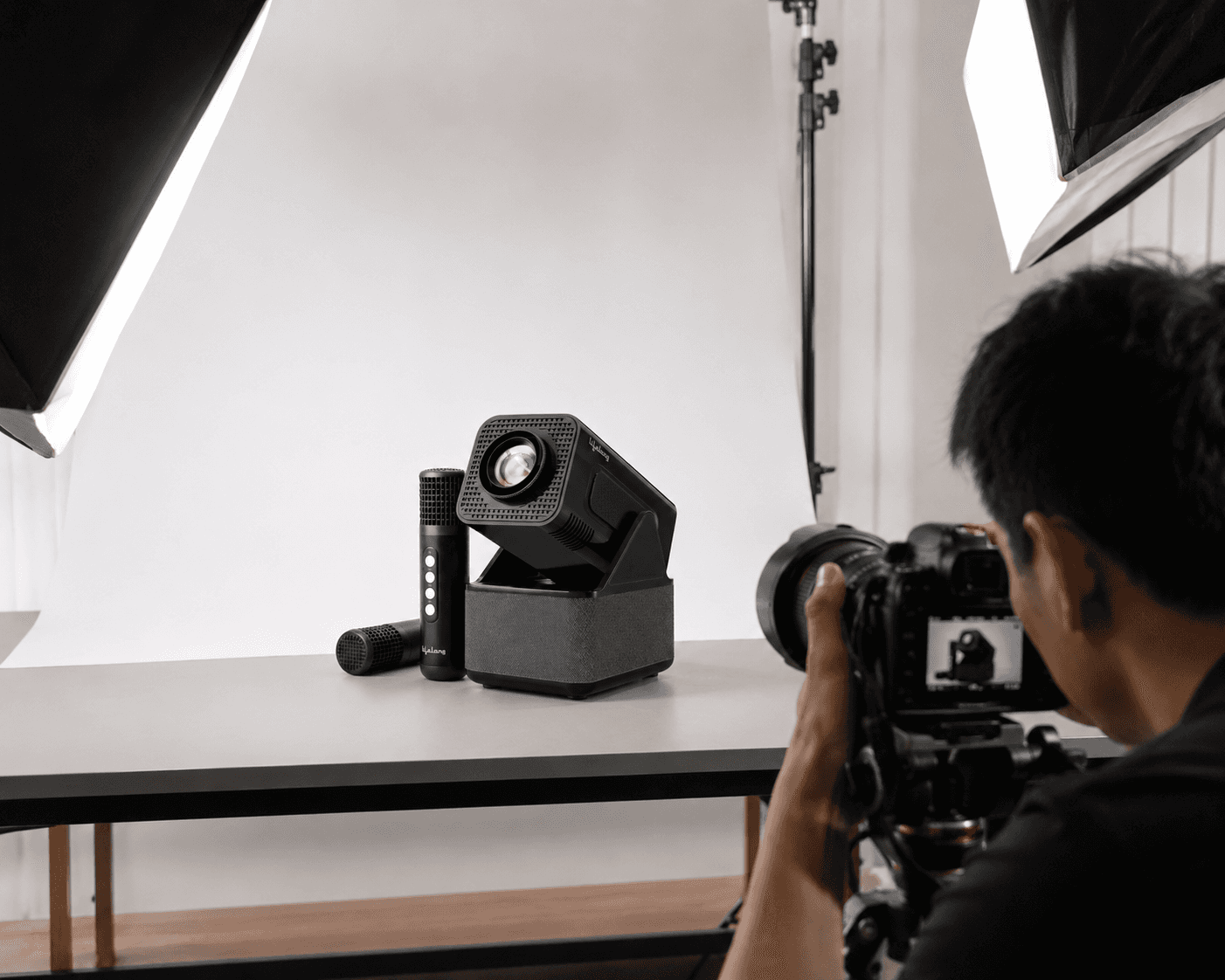
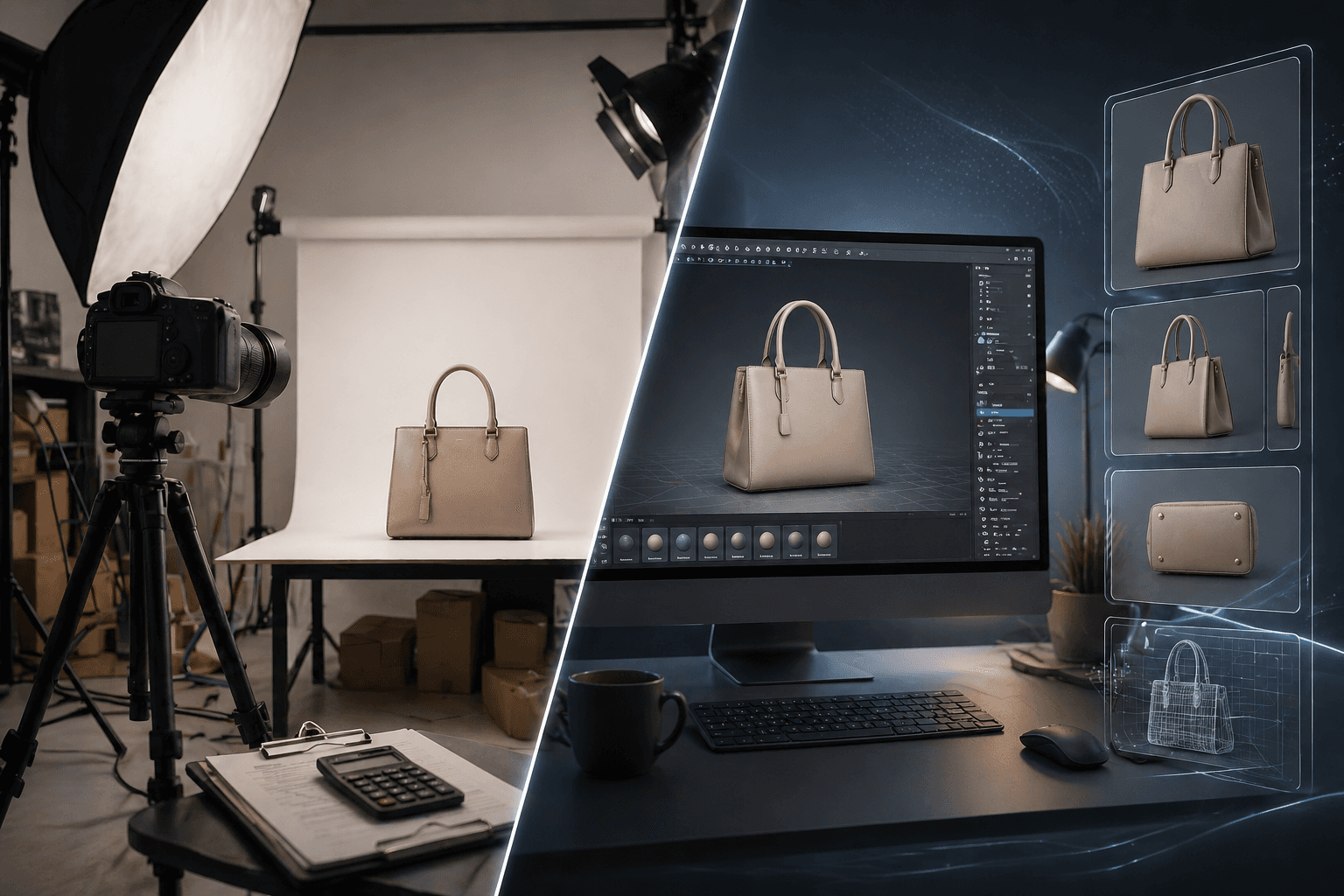
- Studio production: $1,500-$5,000+, 2-4 weeks, physical sample required
- Freelance video: $500-$1,500, 1-2 weeks, physical sample required
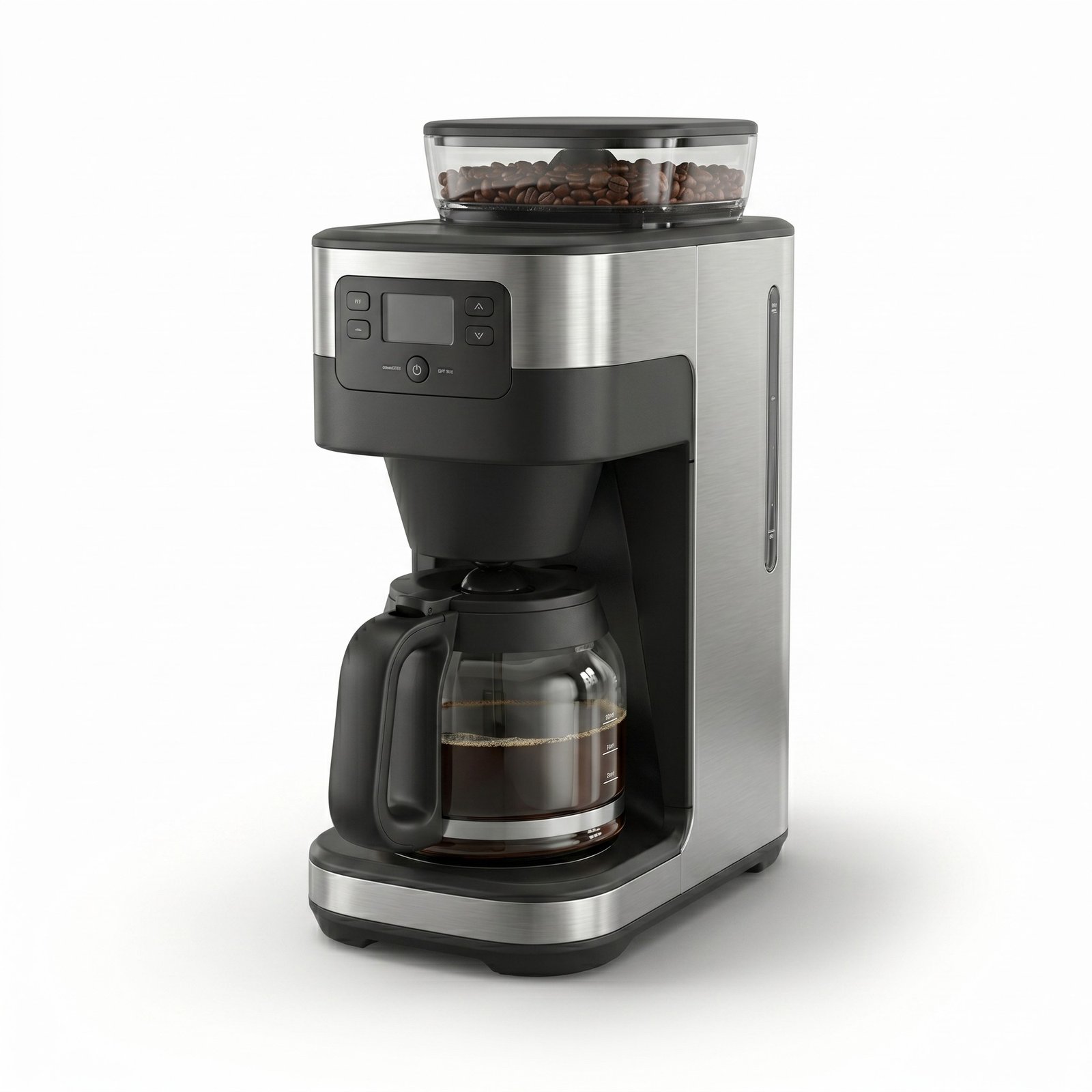
- 3D CGI animation: $500-$2,000, 48-72 hours, no physical sample needed
- In-house on a smartphone: near zero, a few days, physical sample required
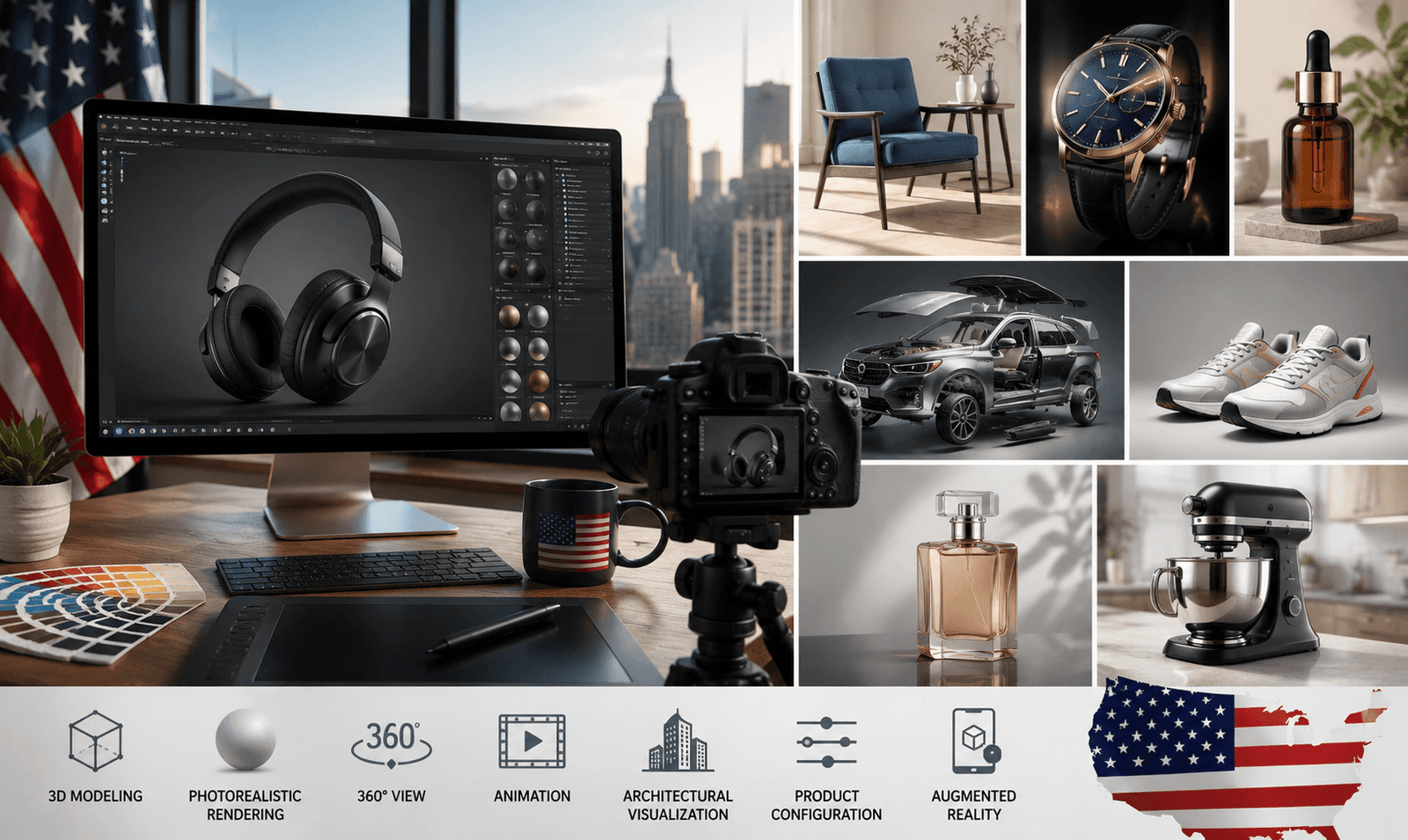
The CGI route is the one most catalogue teams underuse. If the product exists as a 3D model, additional videos are effectively free, colourways and packaging revisions do not trigger a reshoot, and pre-launch listings can go live with video before the first production run has shipped.
The AI-shopper shift nobody has priced in yet
56% of Amazon shoppers now say they are comfortable using AI tools to inform purchase decisions. Rufus and the answer-engine layer on top of the marketplace read structured content, and video with well-written captions and product context is one of the assets they can quote against. Listings without video quietly lose that ground.
When video is not worth the spend
A single low-volume SKU that will not be reshot, revised or extended is a fair candidate to skip. Everything else, a range, a repeat launch, a marketplace variant, a category where the buyer's real question is 'how does this actually work'. Will earn back the production cost inside a quarter of steady traffic.