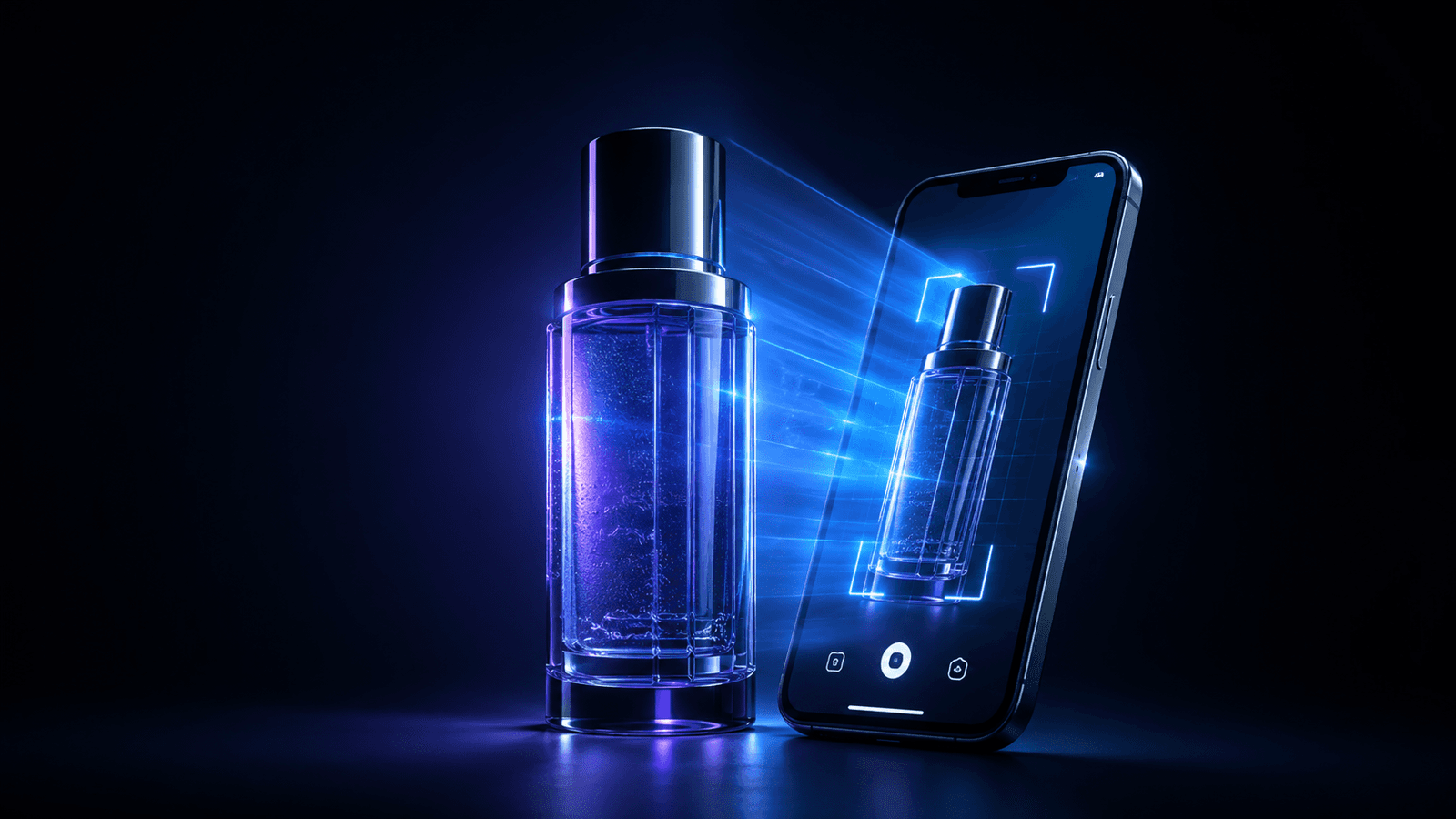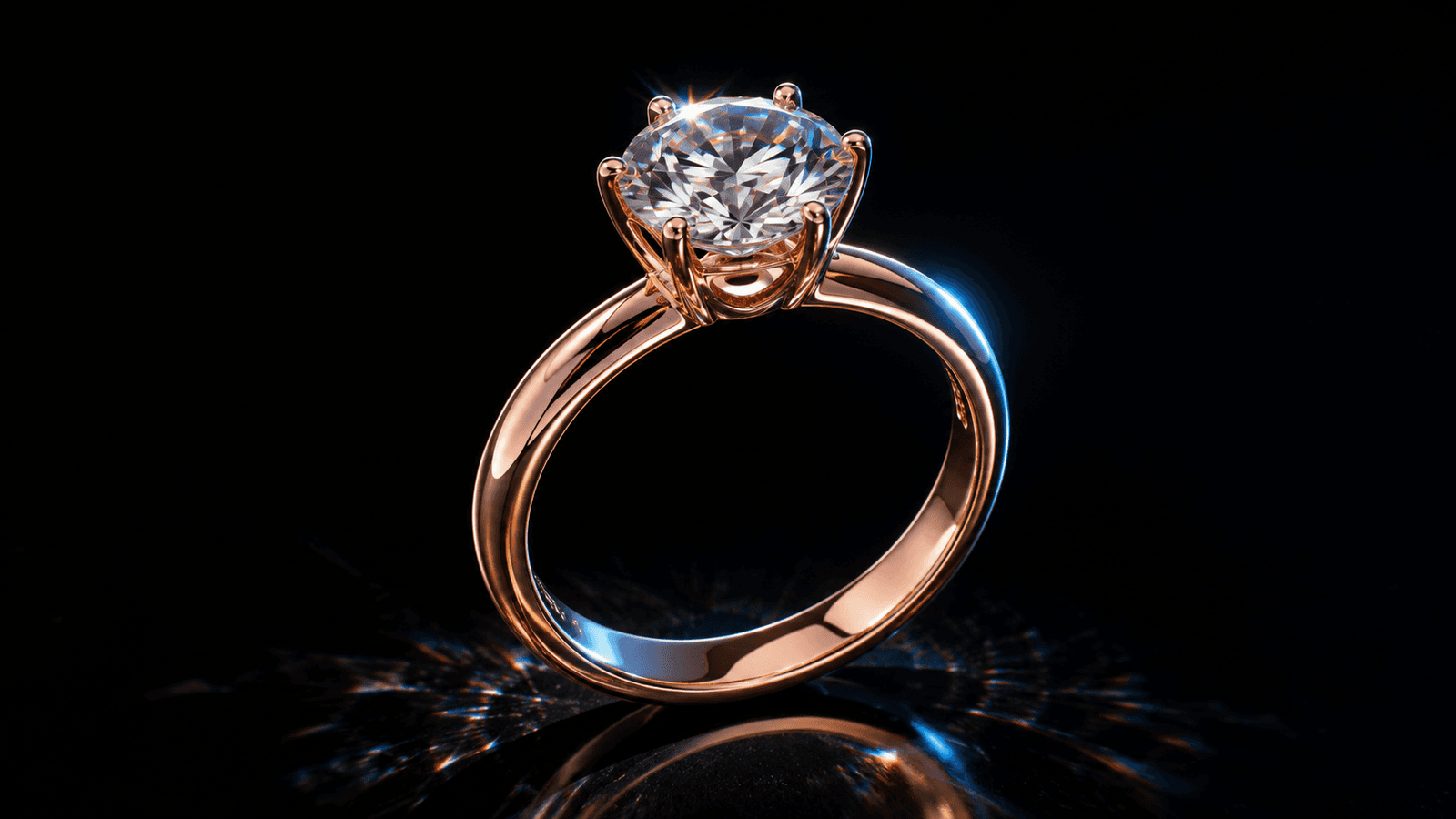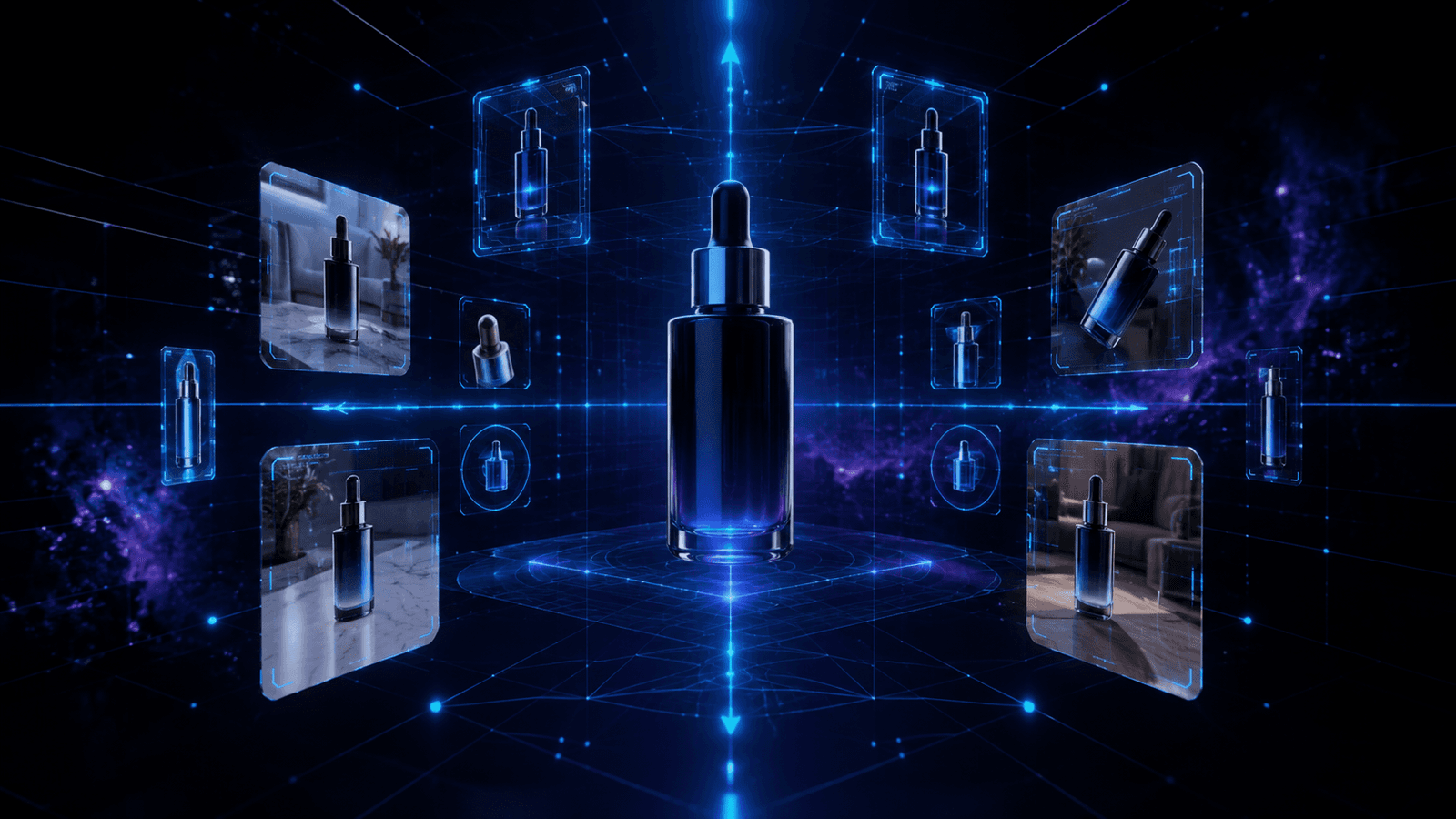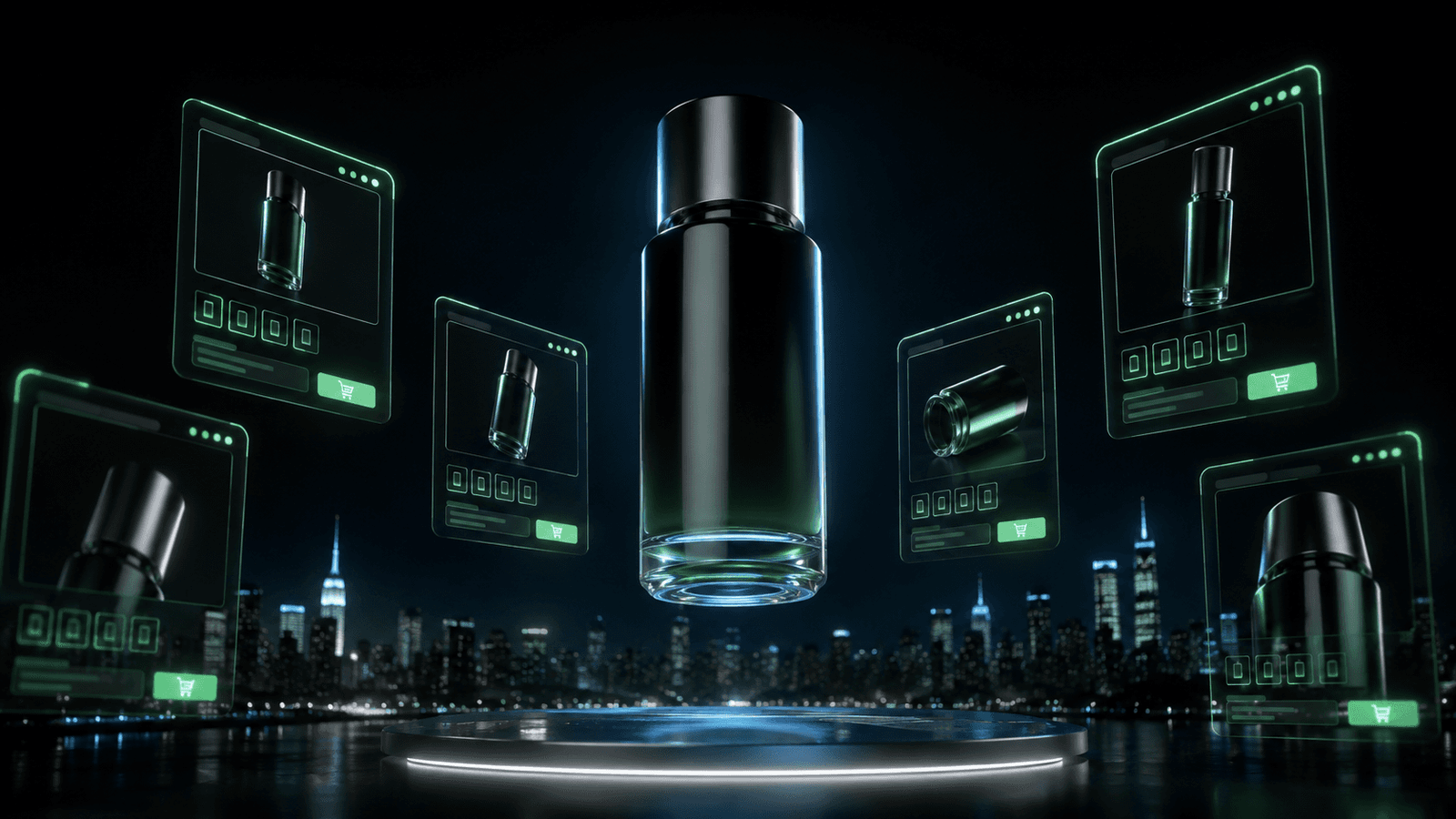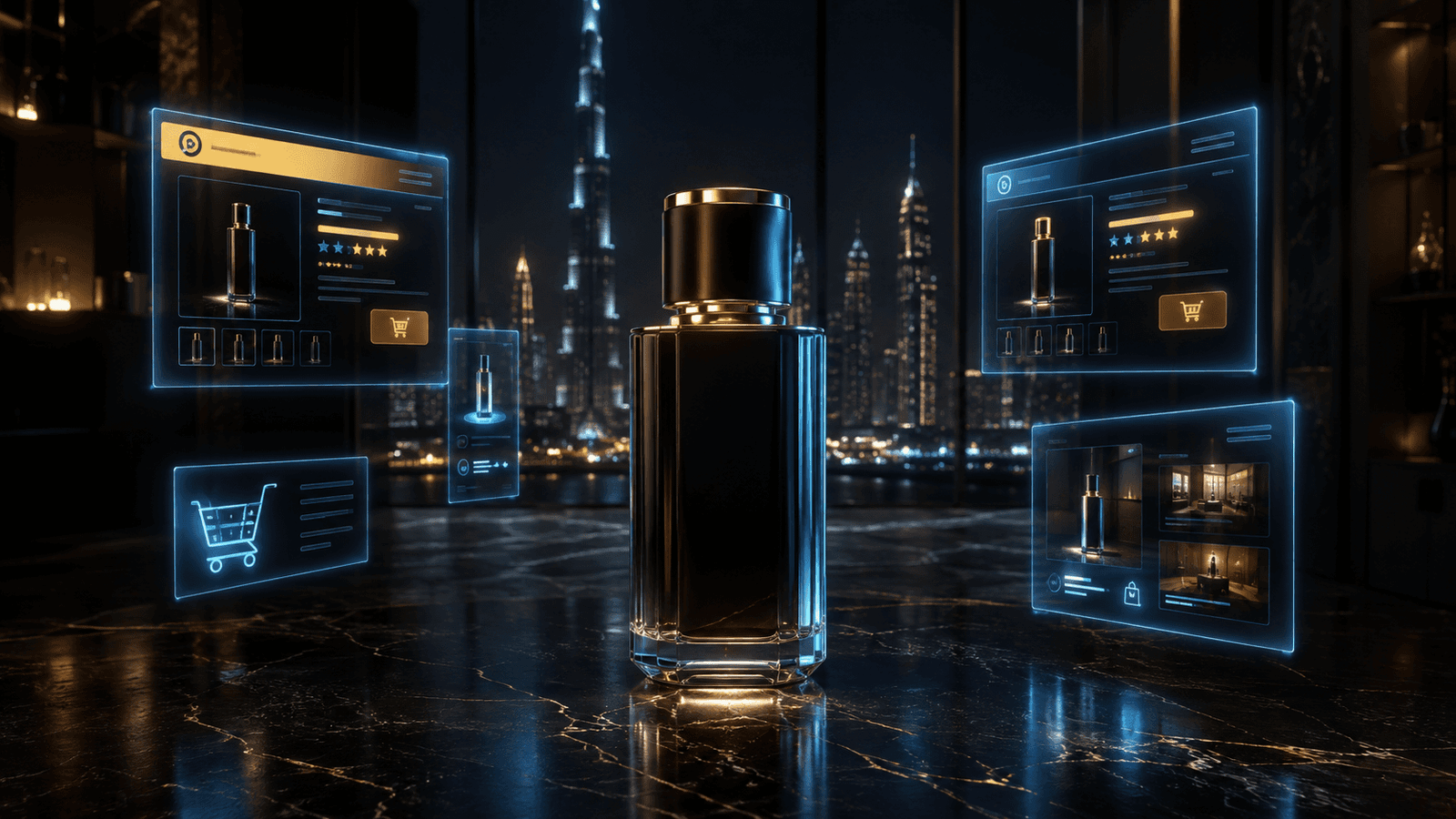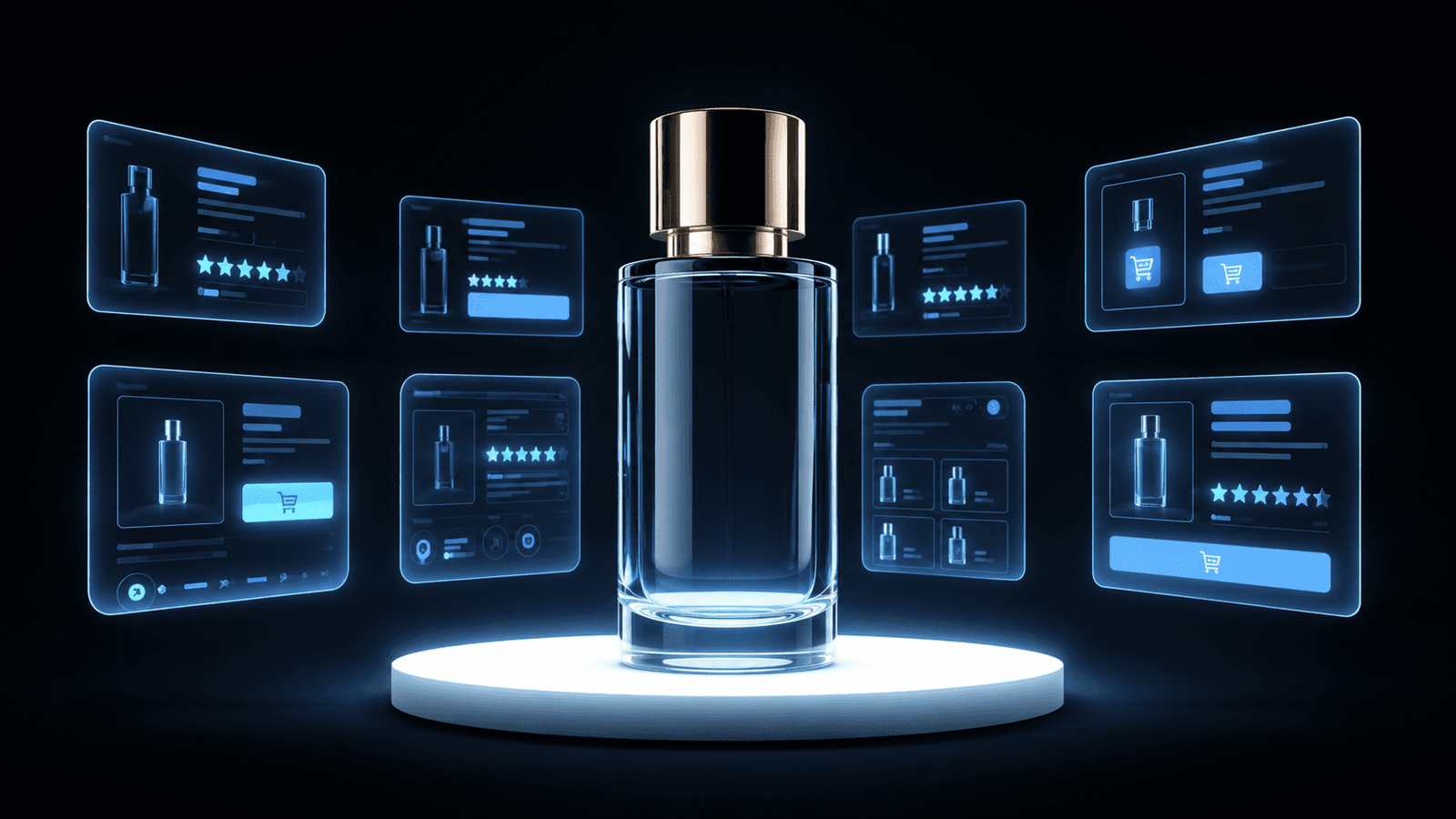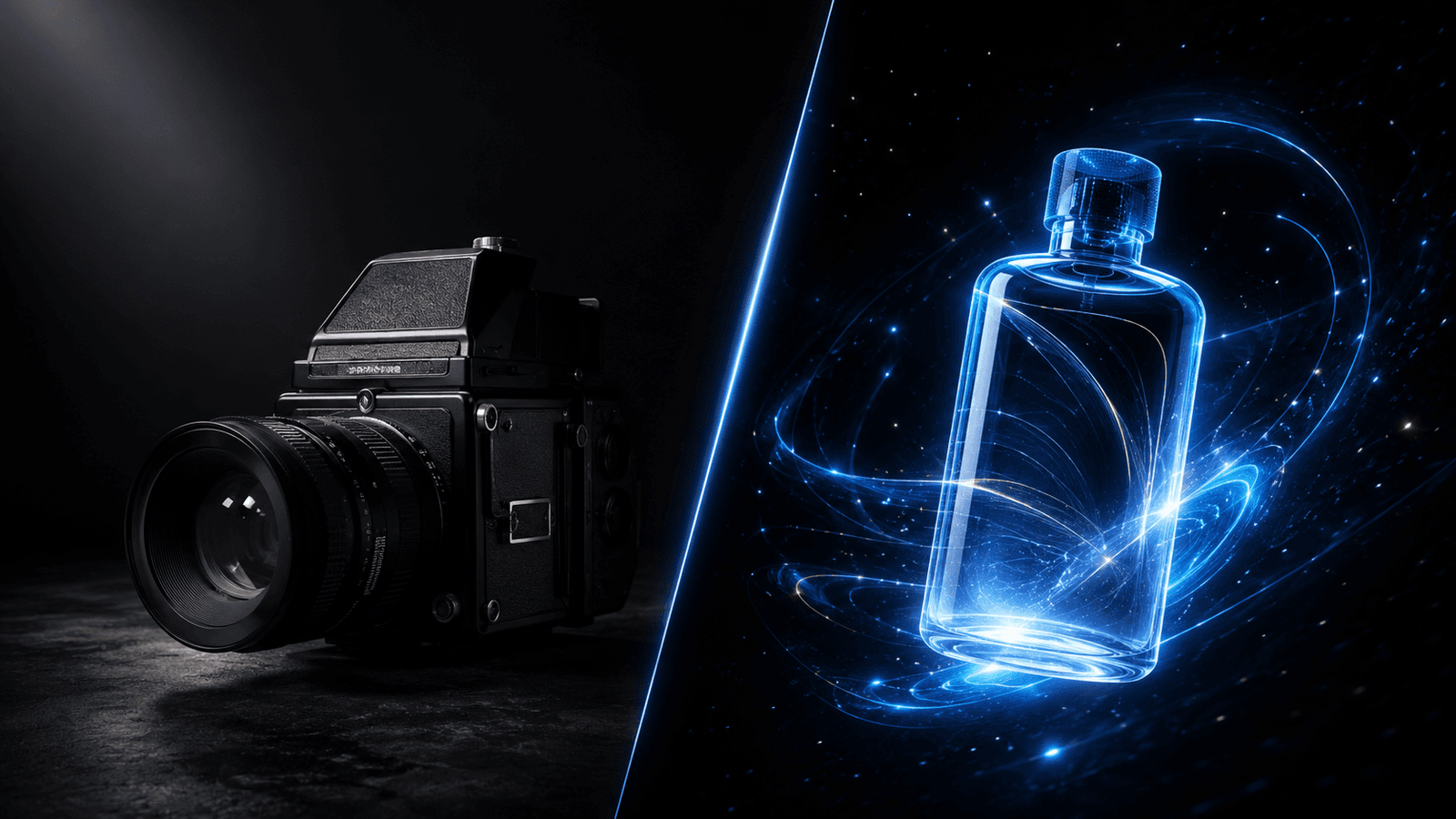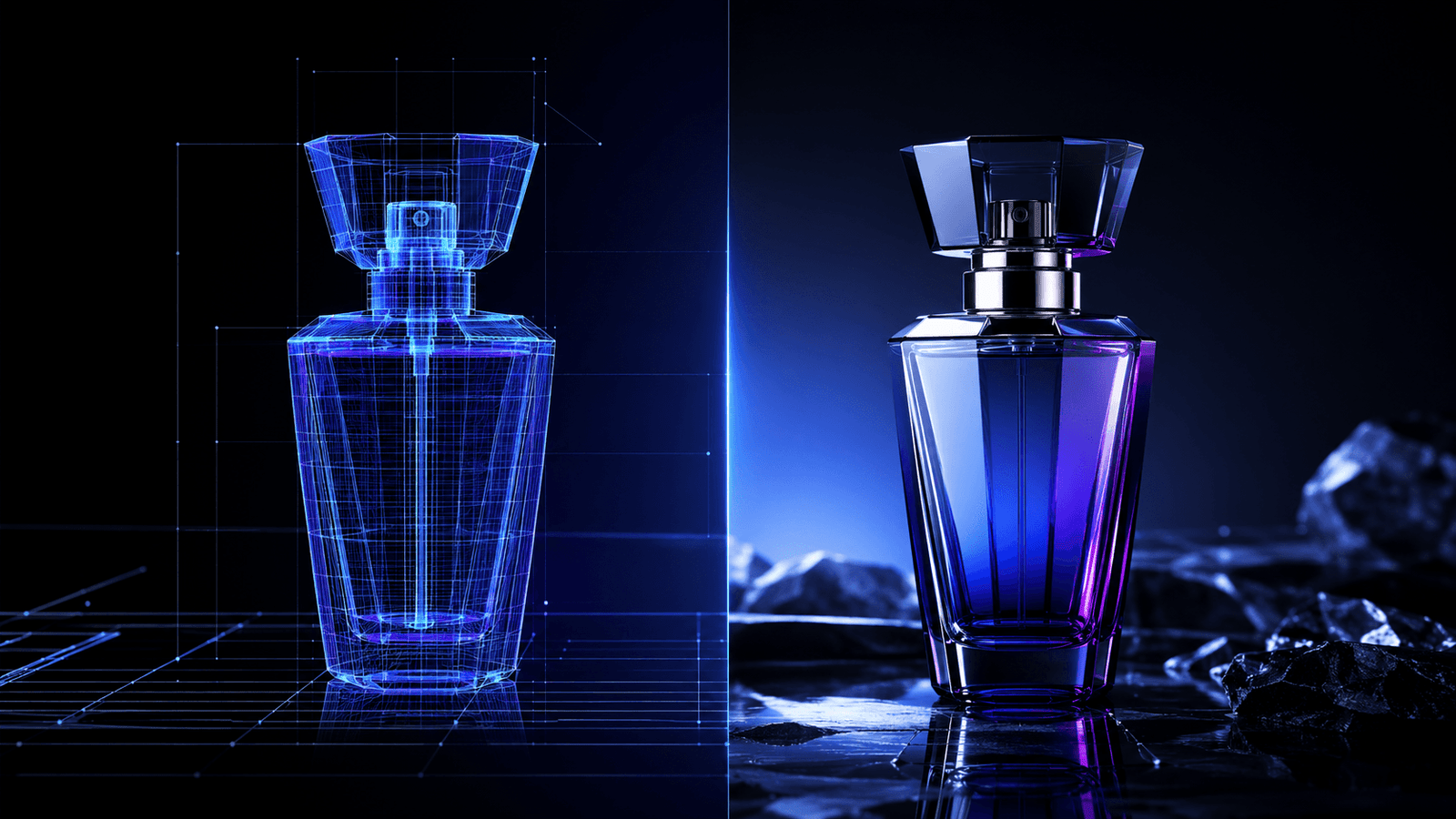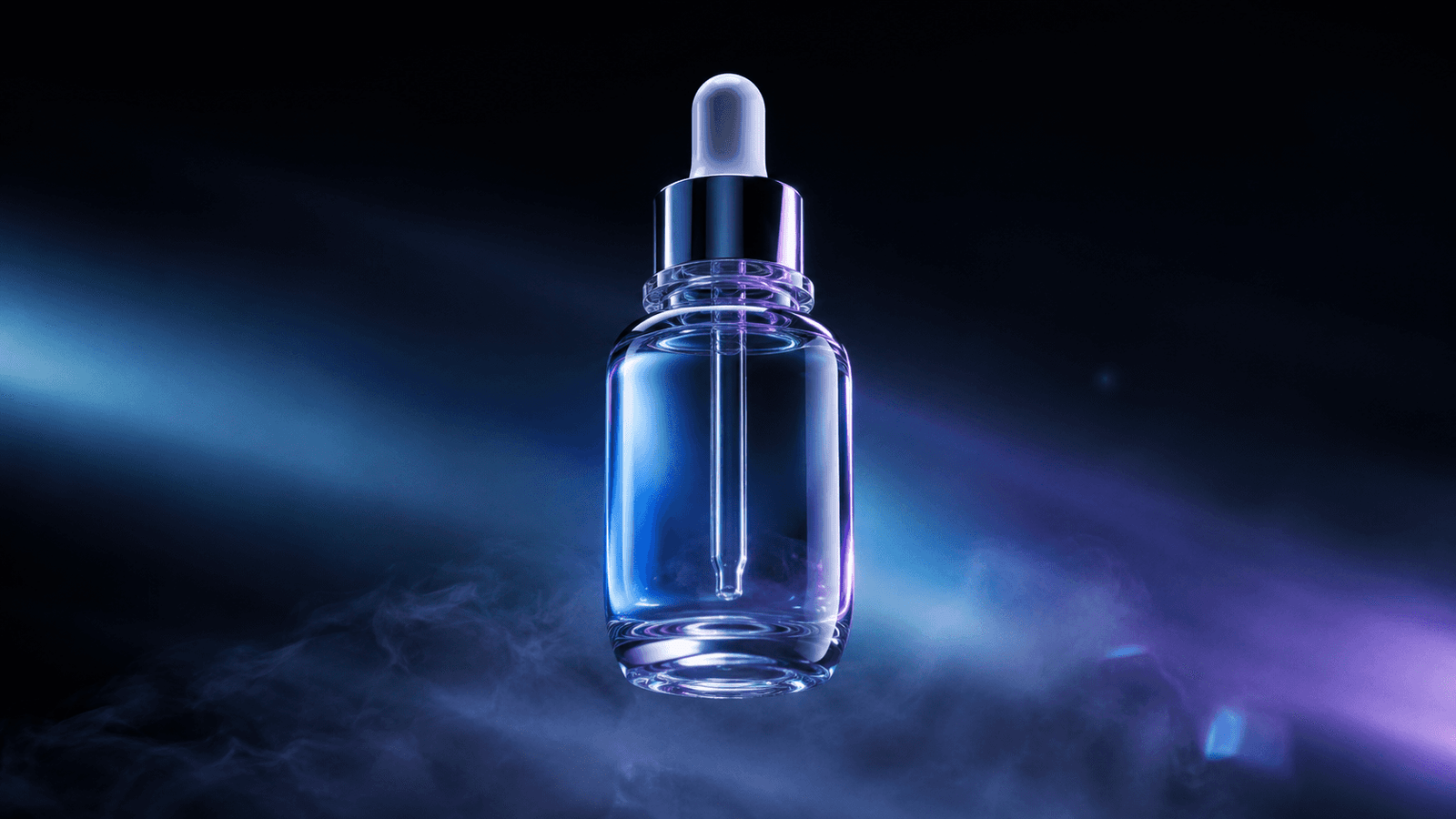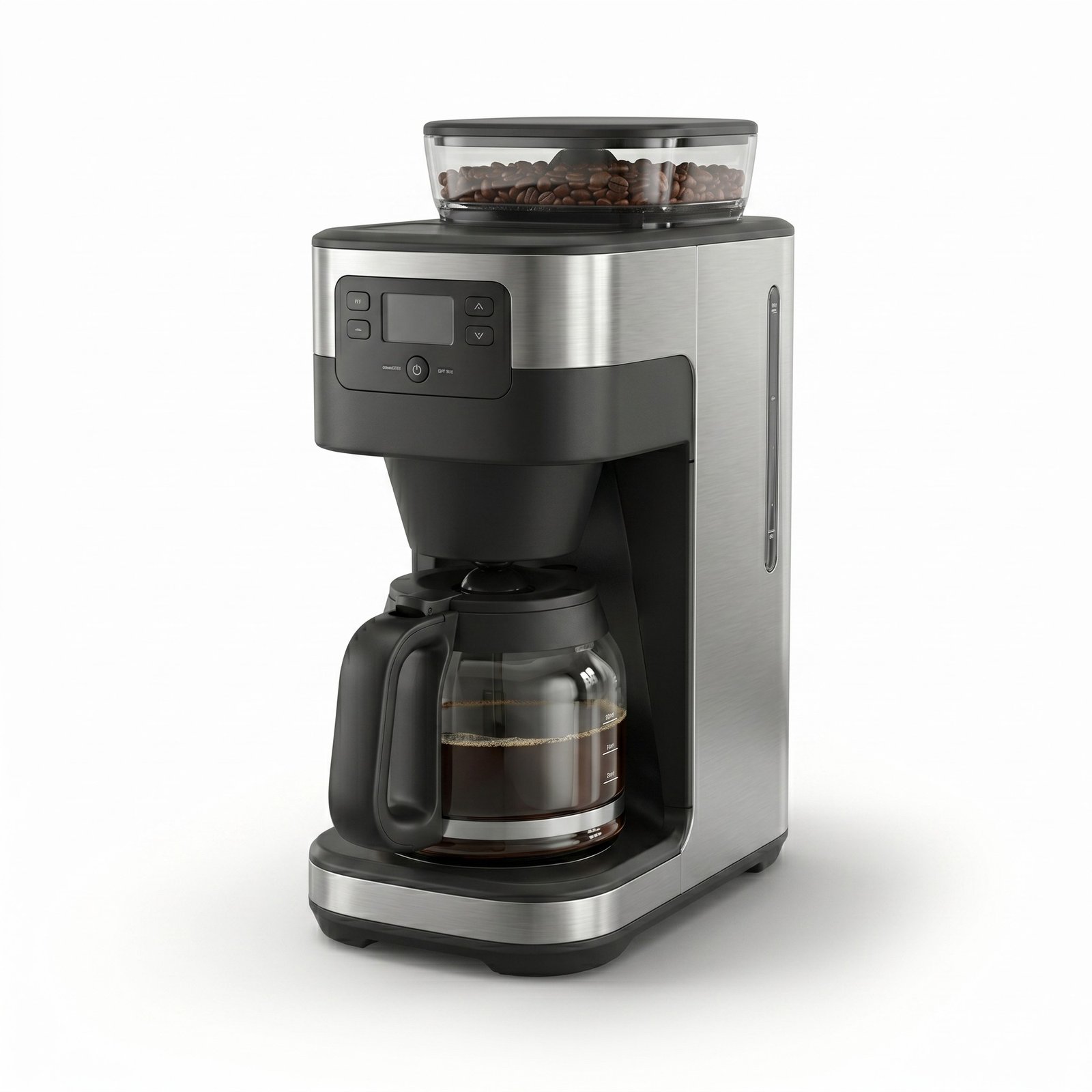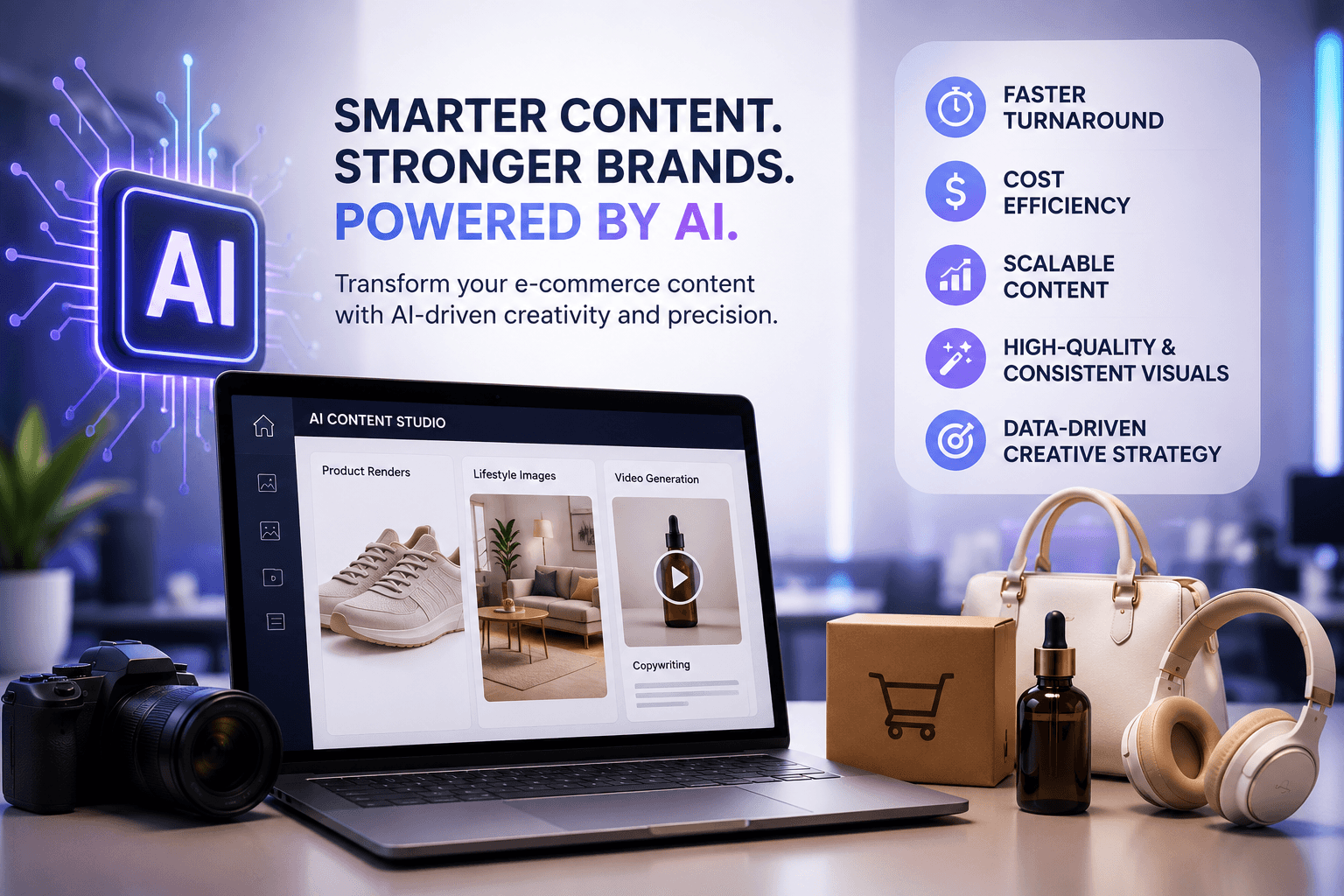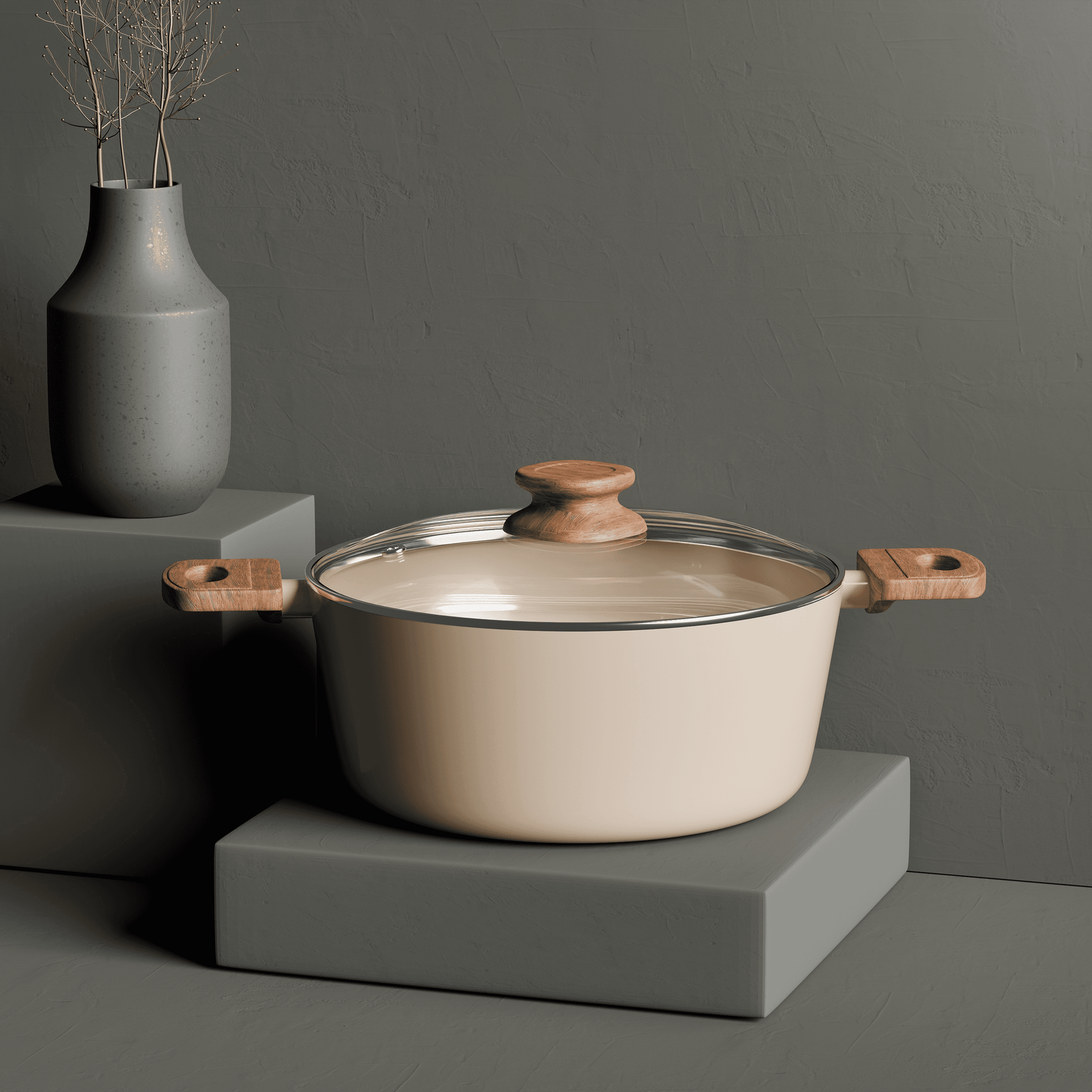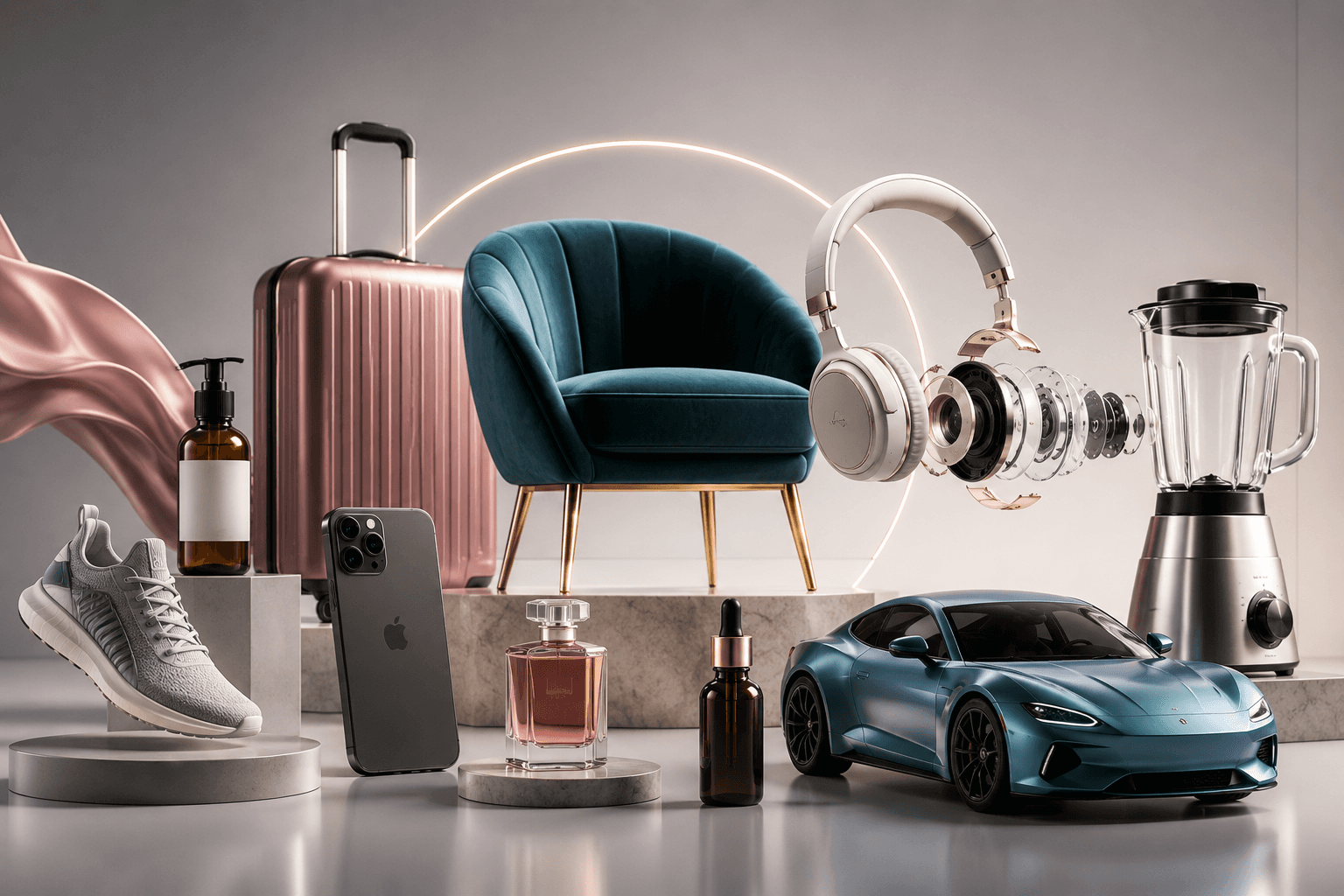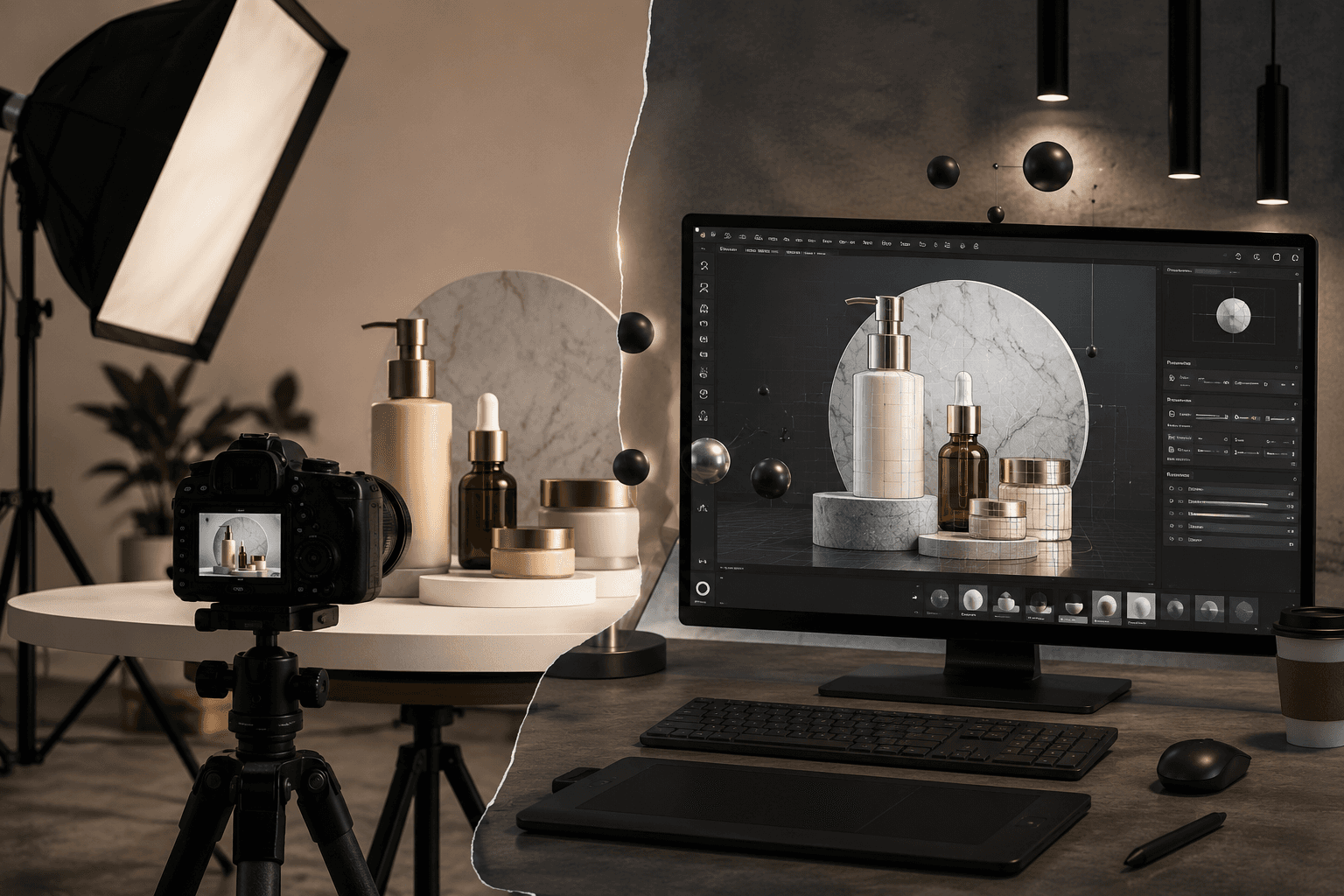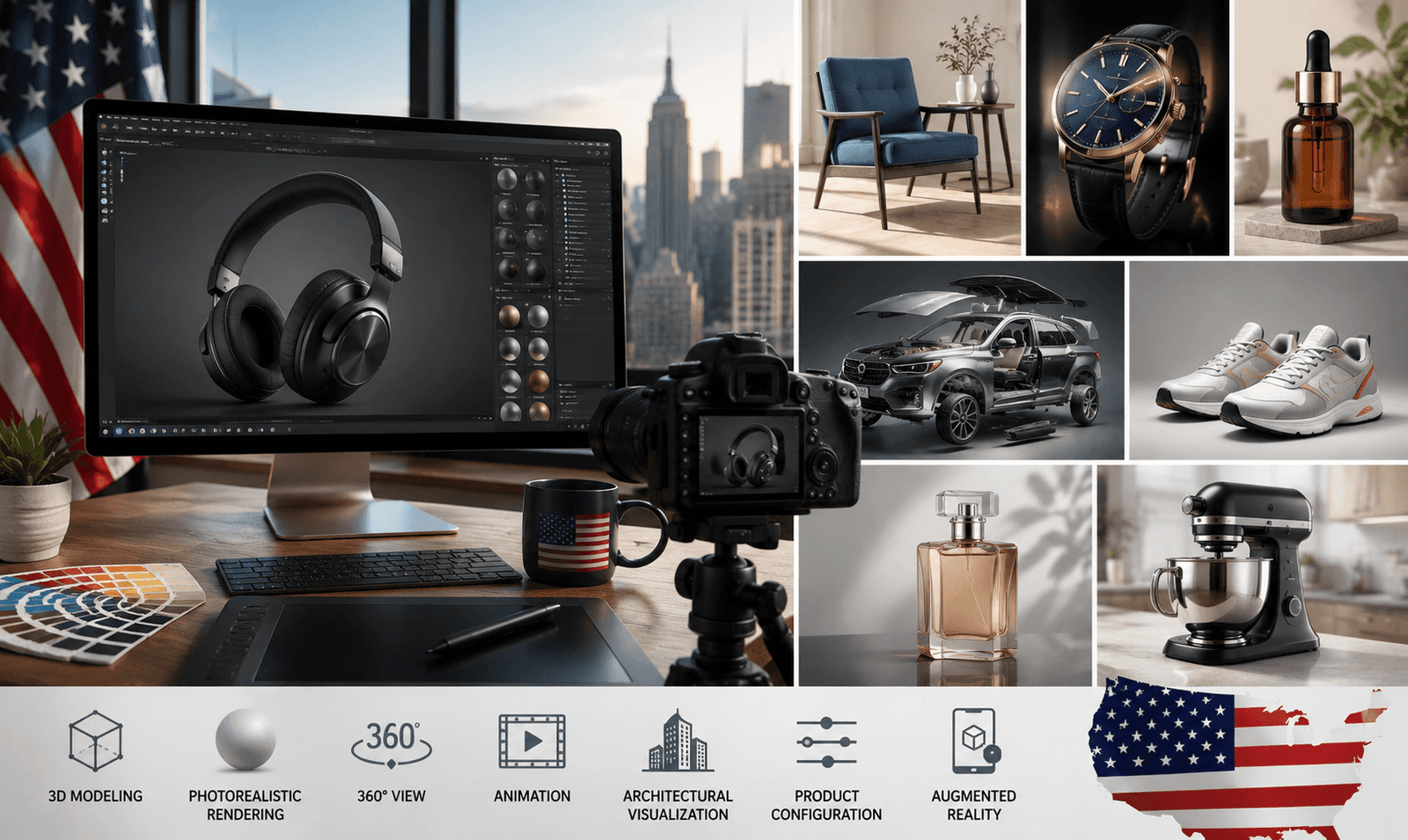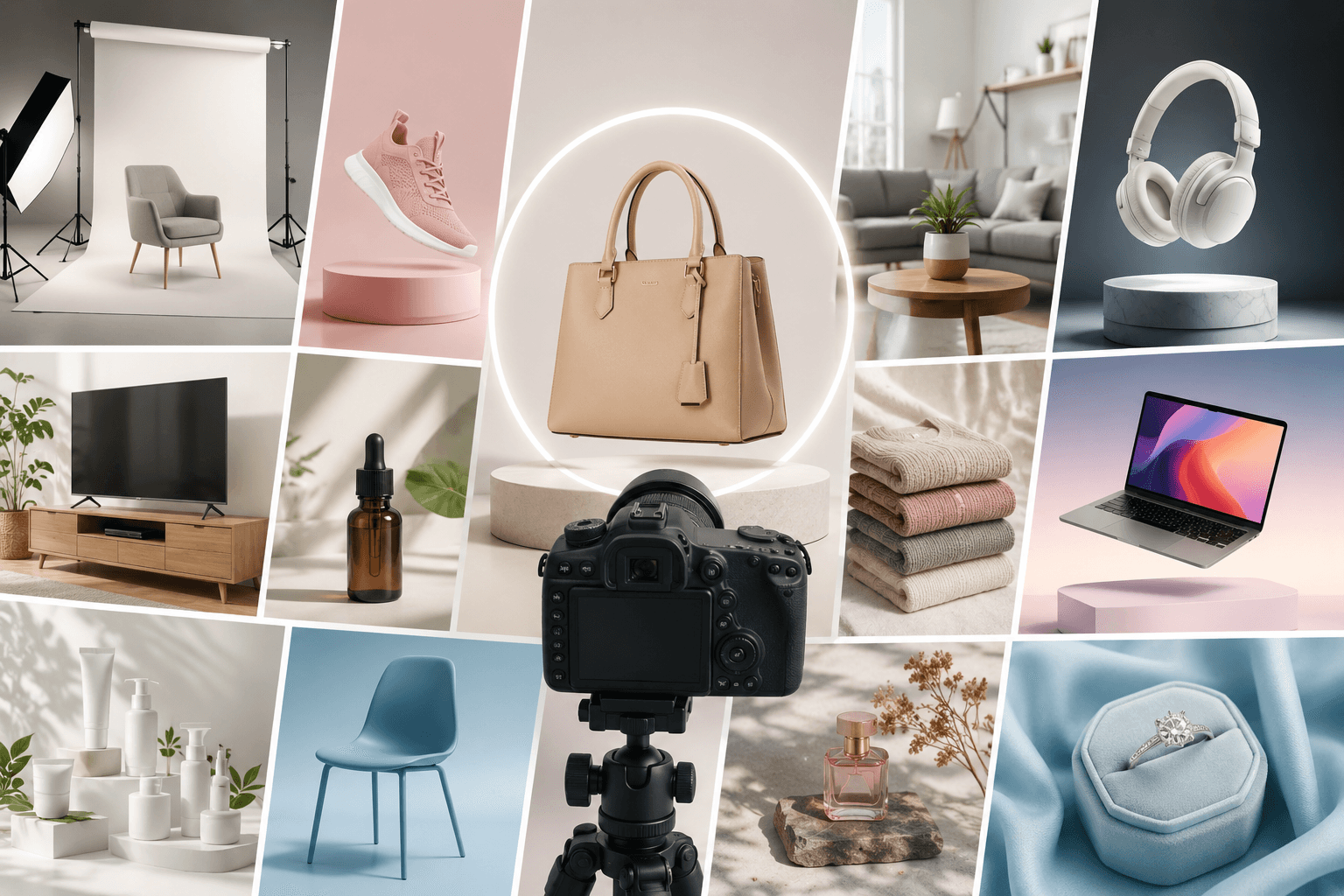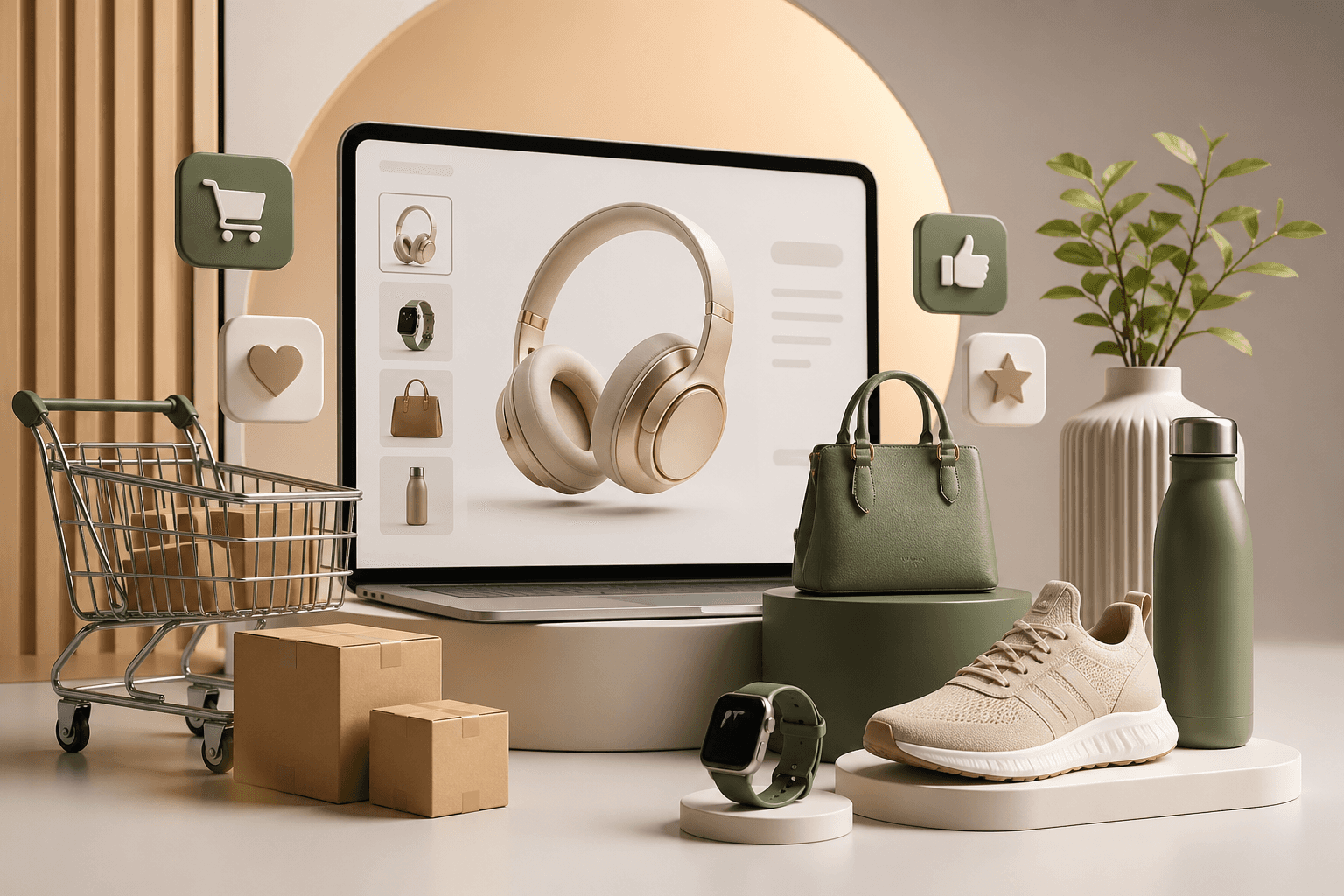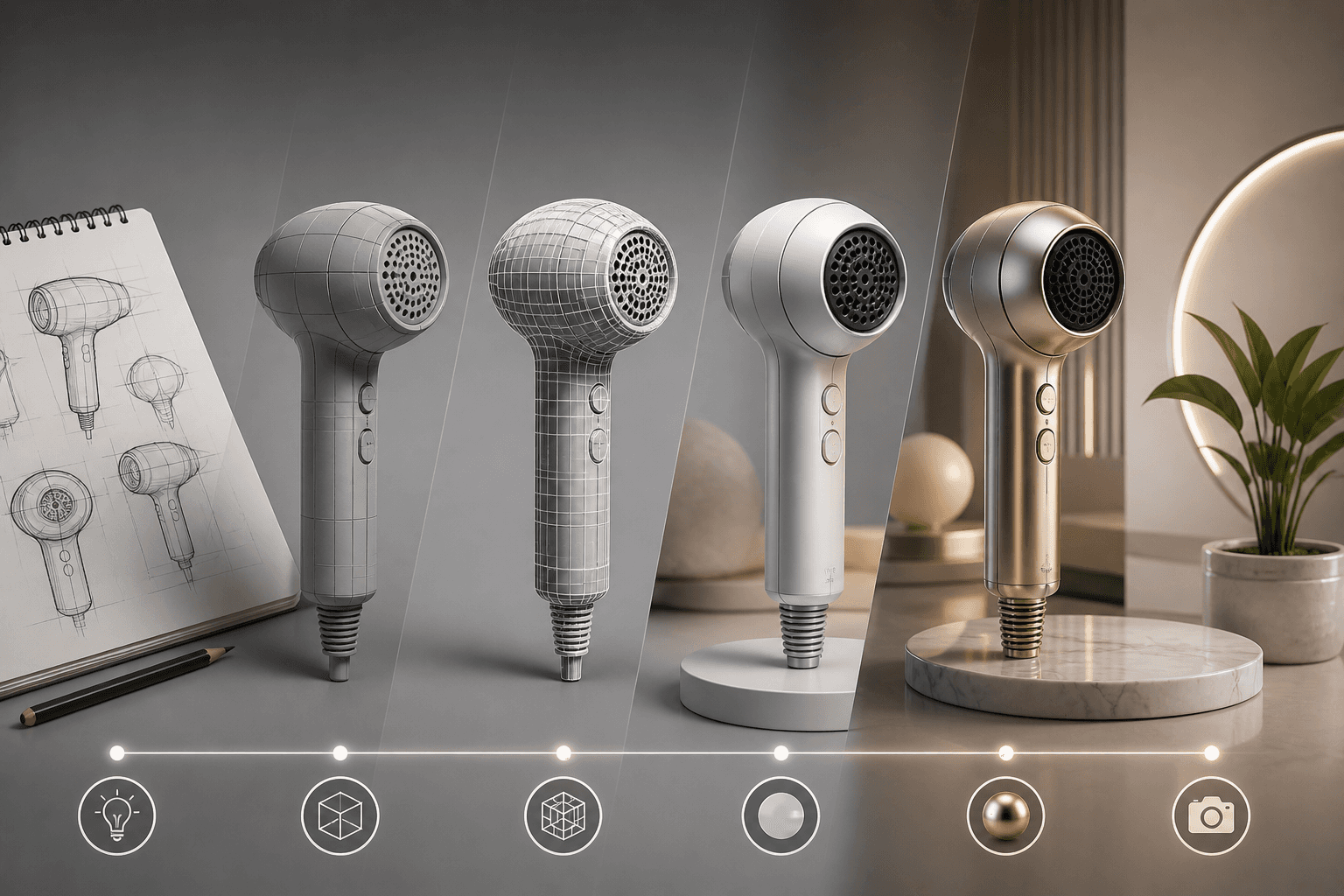
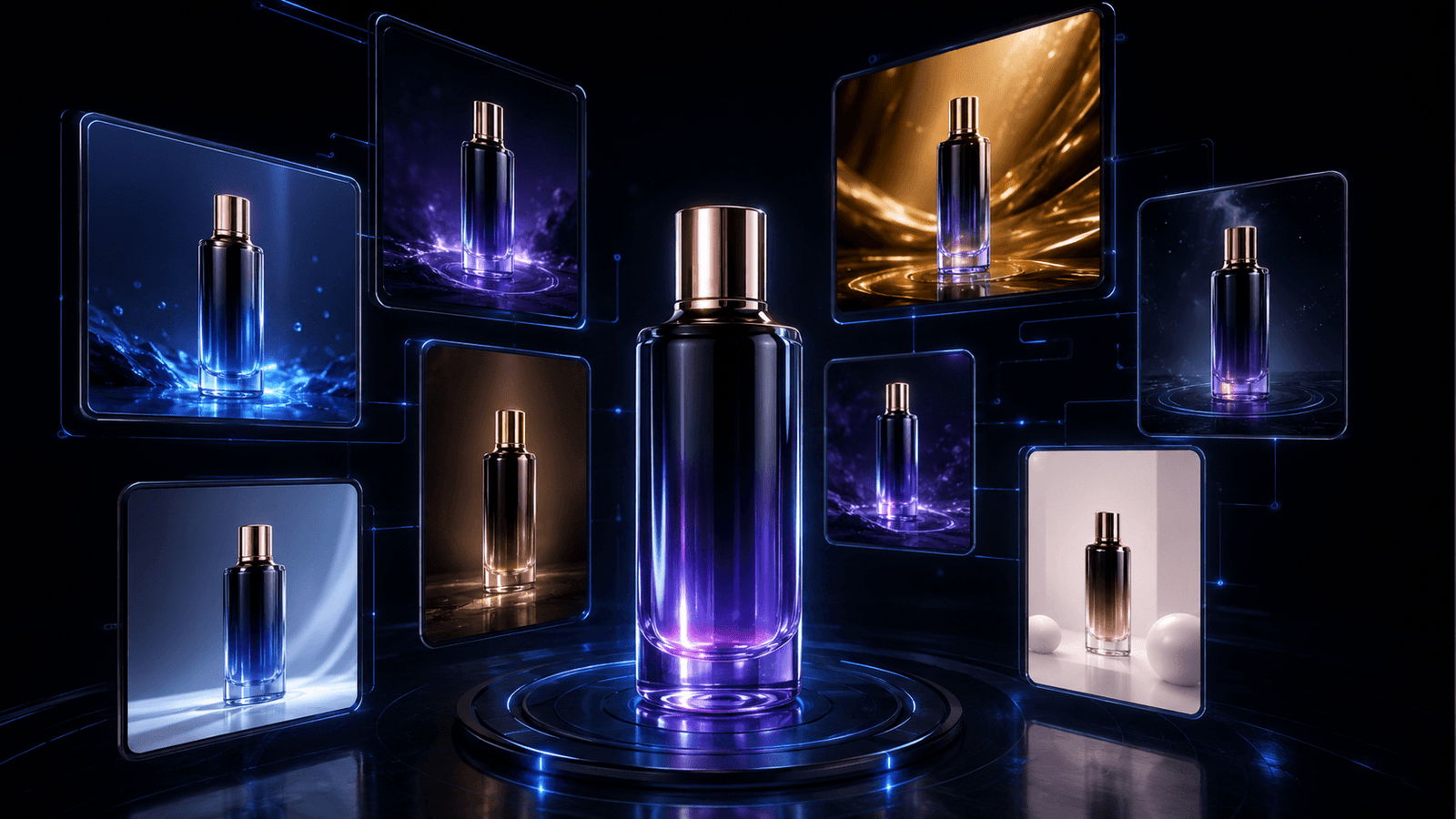
Ecommerce brands scale paid ads without photoshoots by running the whole creative pipeline off a single 3D master of the product. One accurate model produces unlimited backgrounds, angles, lighting moods and formats, no studio, no reshoot, no waiting for a delivery slot to test the next variant.
What CGI ad creatives actually are
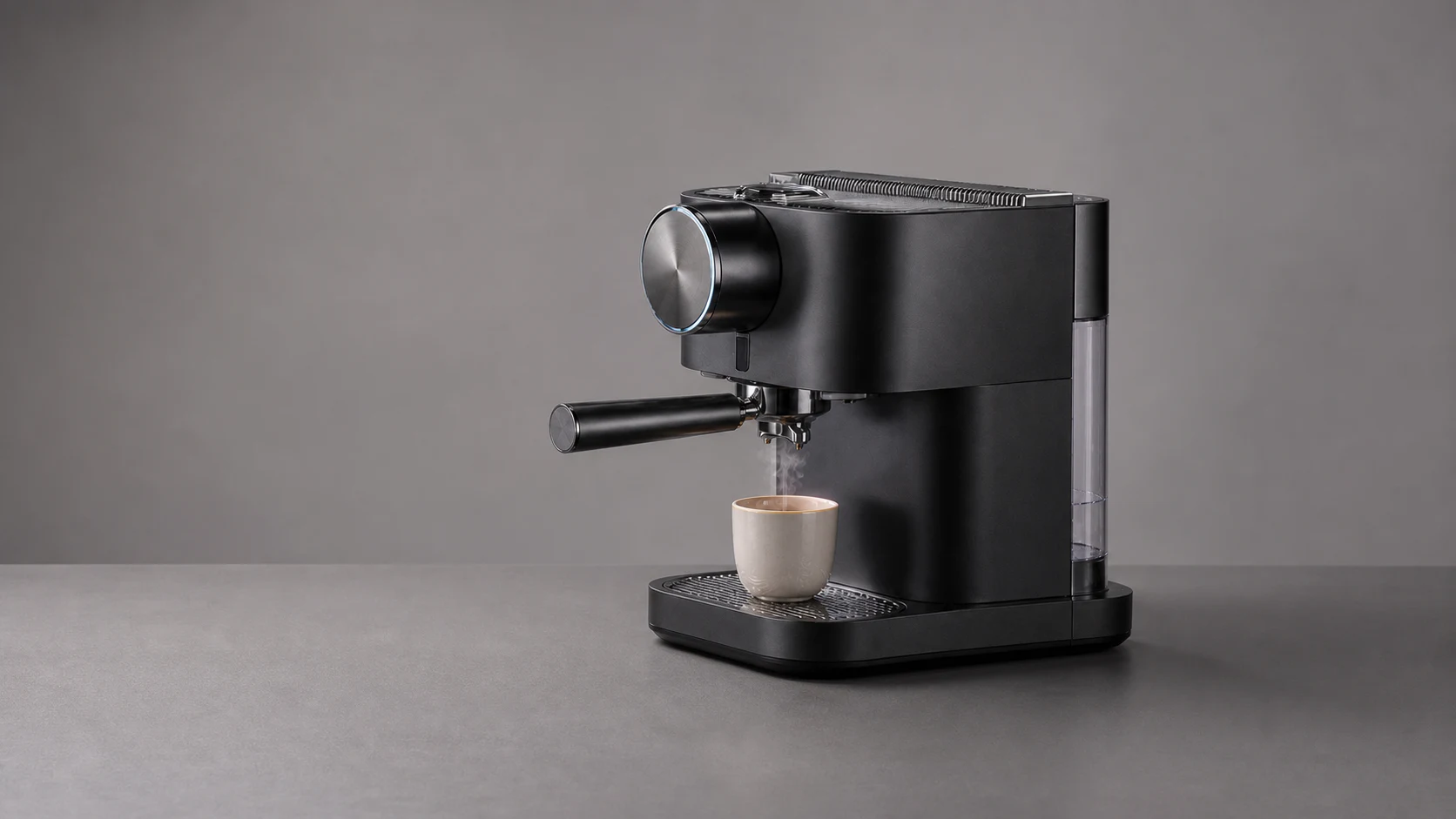
Statics, animated loops, videos and carousel frames, the same set of ad units the account needs anyway, but produced entirely in 3D. The product is built once as a master asset, then the creative team briefs backgrounds, moods and cutdowns and every variant renders from that one file.
Why photography breaks at ad scale
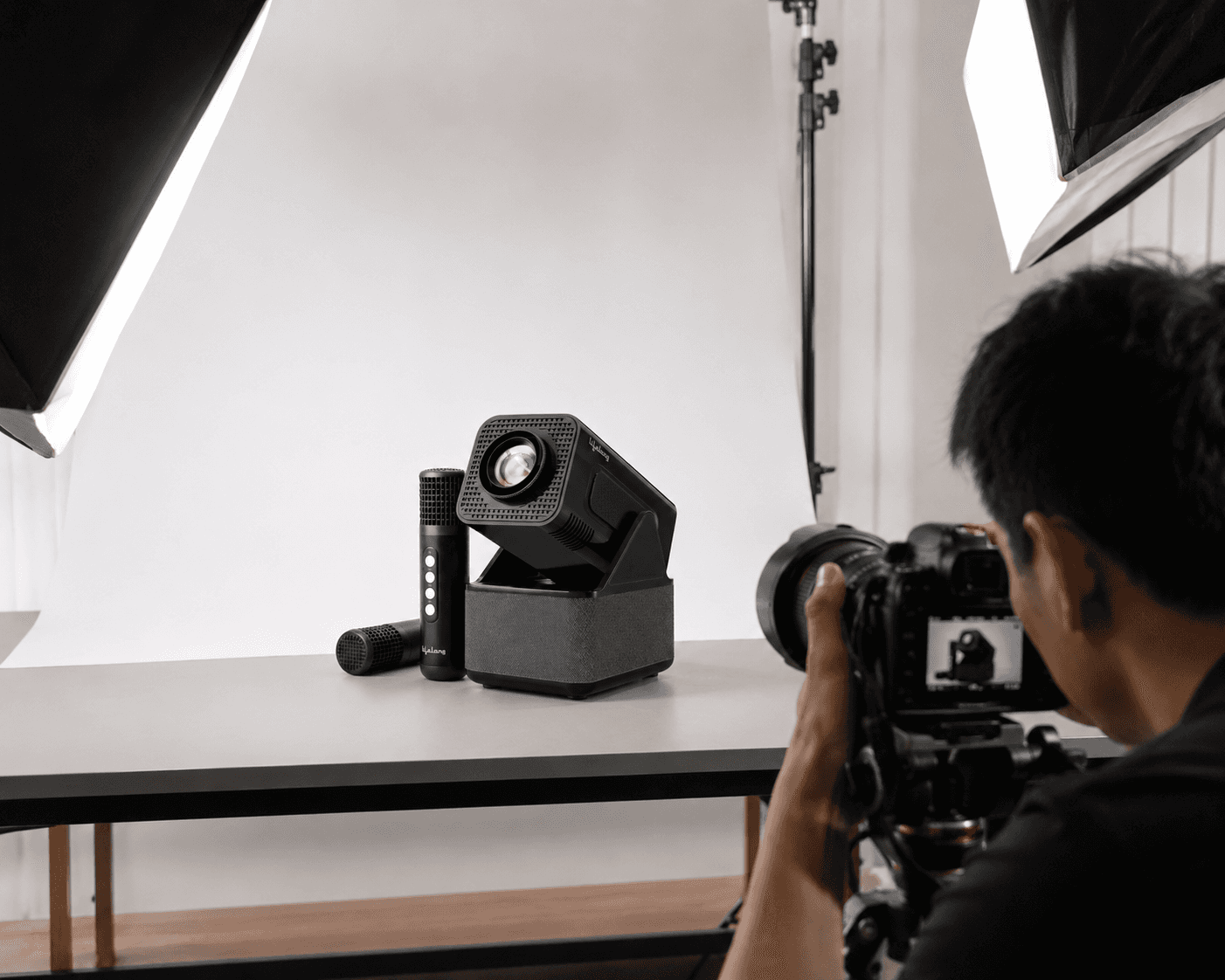
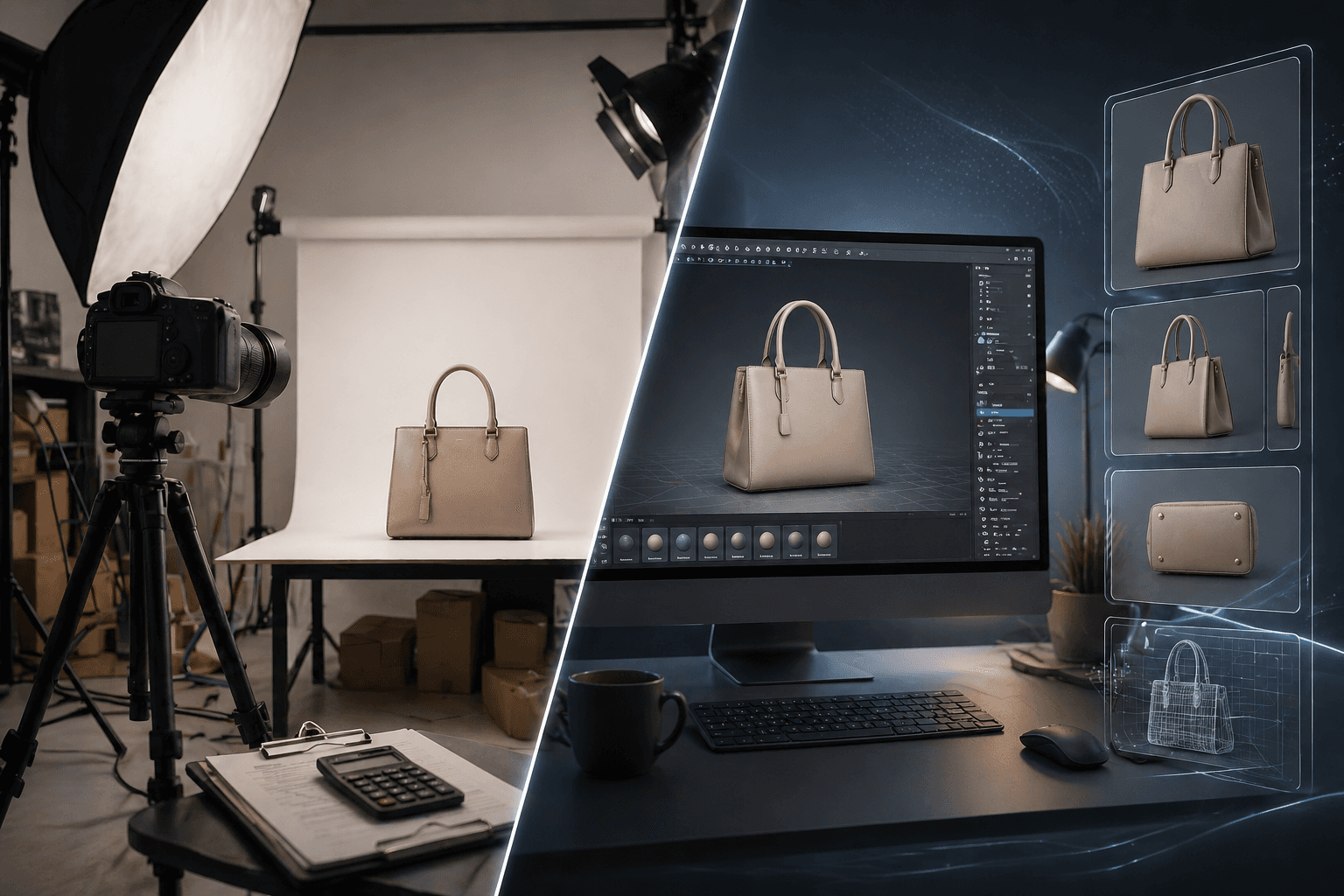
A single paid campaign needs many ad sets, and each ad set needs several creatives in several platform sizes. Photography produces one image per setup: ten variants means ten setups over multiple days, per placement.
Most brands hit the wall at the same place. The paid team has budget to spend and no fresh variants to test. The bottleneck is not the media, it is the creative production behind it. CGI removes that bottleneck by making a new variant a render, not a shoot.
How the pipeline runs, end to end
- Build the 3D master from samples, CAD or reference photography: once, and reused indefinitely
- Brief backgrounds, lighting, angles, motion and any seasonal context
- Render unlimited variants from the approved scene, at a fraction of the per-variant photography cost
- Add motion (rotations, reveals, transitions) in the same 3D file: no video crew
- Deliver in every platform format the account uses: 1:1, 9:16, 16:9, display sizes, YouTube bumpers
Why the same creative converts better
More variants tested finds a winner faster. A photoshoot budget usually gets a paid team three to five creatives to run against each hypothesis. CGI gets them ten to twenty for the same money, which is why the winning creative usually shows up sooner in a CGI-fed account.
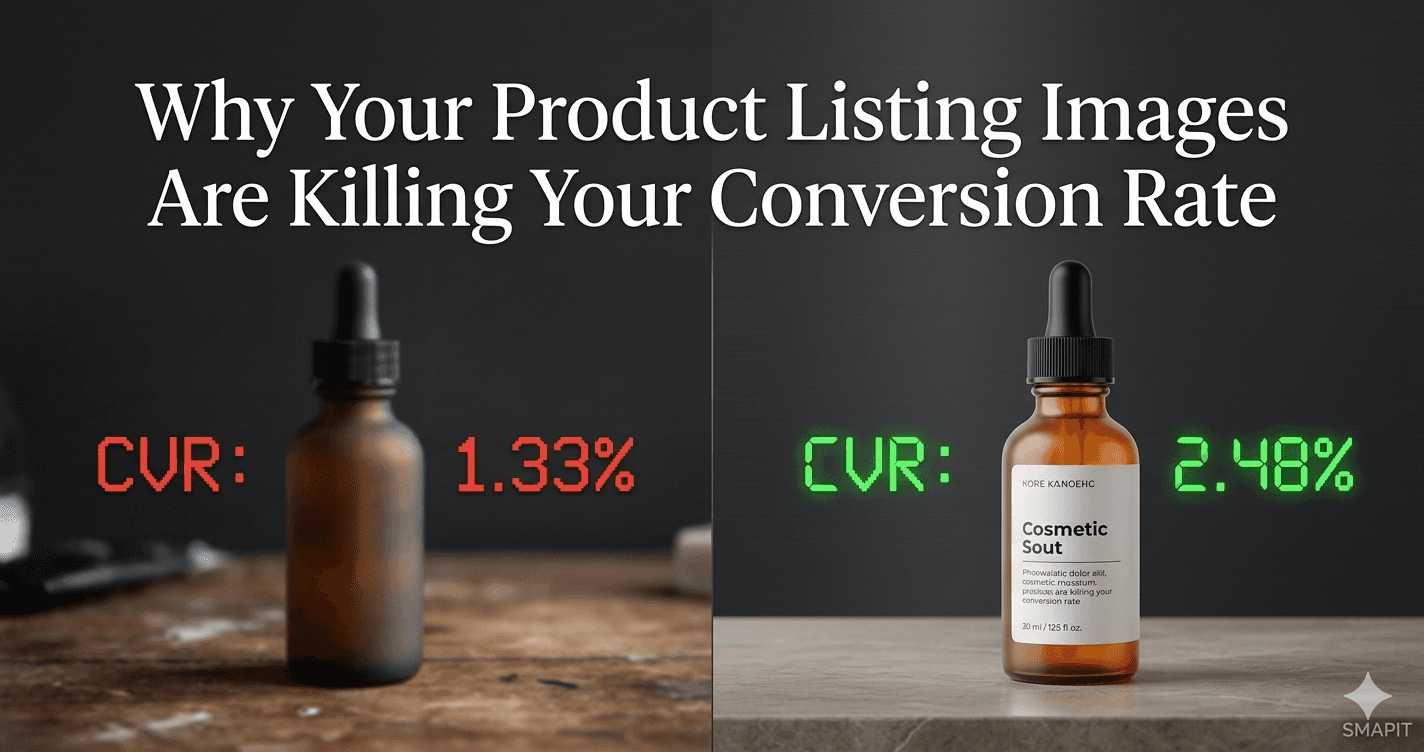
Every variant is pixel-identical to the product on the PDP, because they came off the same model. The gap between ad and landing page, the one that quietly kills conversion, closes.
Seasonal campaigns stop being reshoots. Diwali, Valentine's, summer, background and lighting change, product stays the same. The account gets a fresh look without another studio booking.
What it looks like across placements
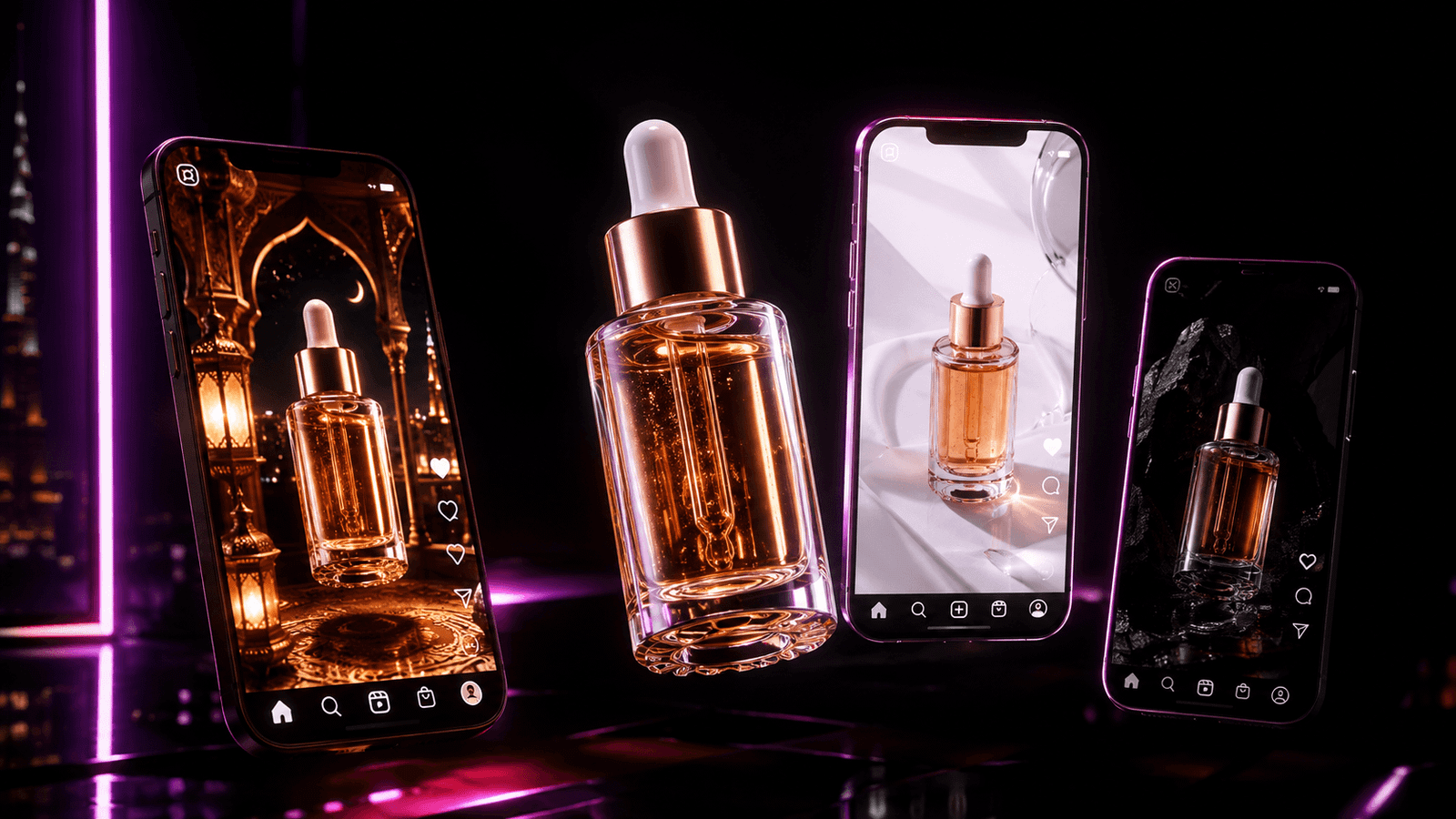
Meta and Instagram get statics and short loops in feed and Story formats, plus carousel cards that put the same product in different environments. TikTok gets product animations and reveal sequences in the native platform aesthetic. Google Display gets responsive sizes and colourways. YouTube gets six-second bumpers as hero-motion or dramatic composition. All from the same master file.
Where to start
- Model the top three to five SKUs by ad spend first: the library grows with launches
- Standardise a brief format so the paid team can specify background, lighting, angle, motion and format cleanly
- Build a testing framework: variables to explore, hypothesis per variant, minimum spend before a call
The point of CGI in paid isn't cheaper creative for its own sake. It is enough creative volume for Dynamic Creative Optimisation and responsive placements to do their job, which they cannot do on three photos and hope.