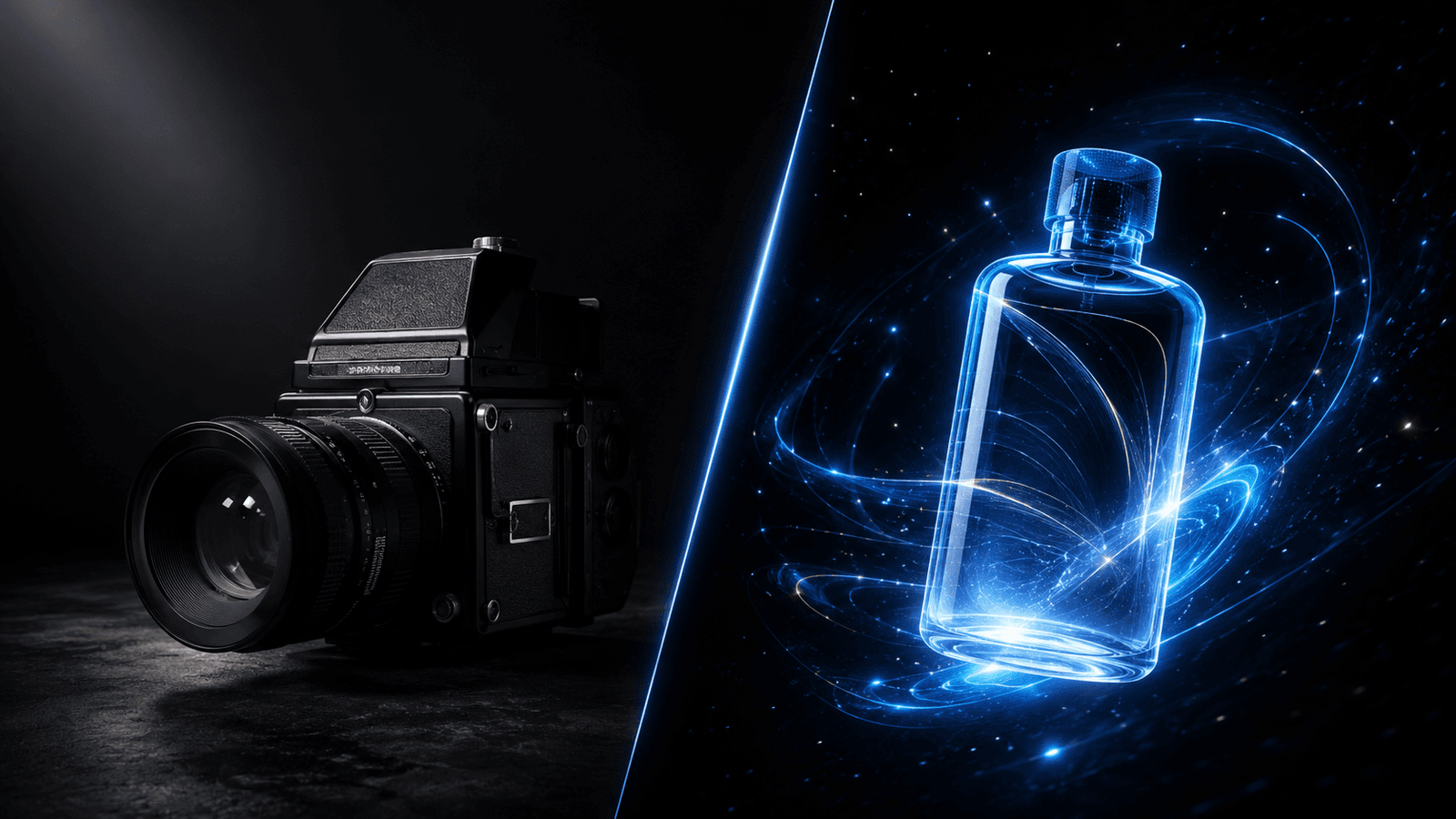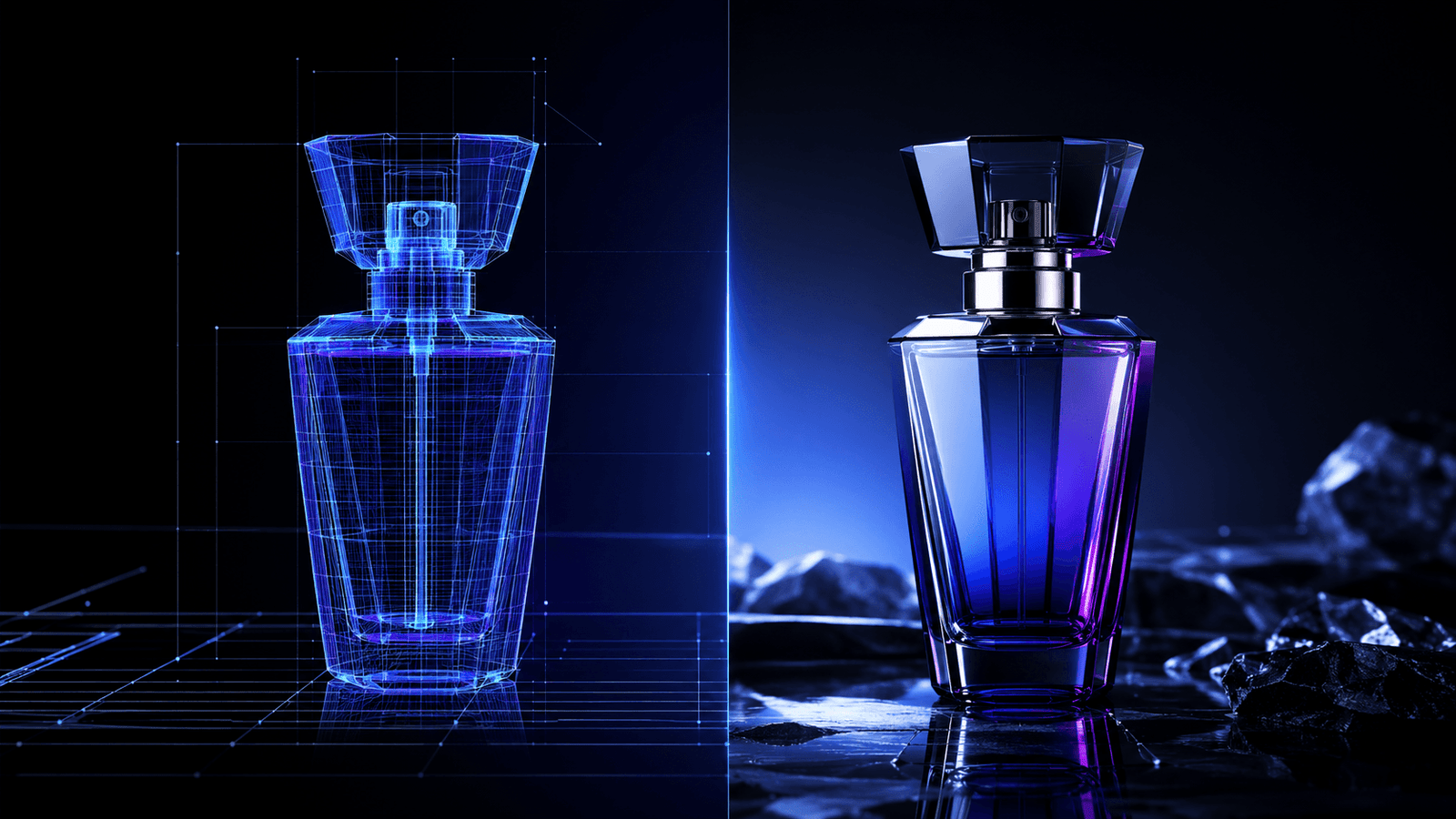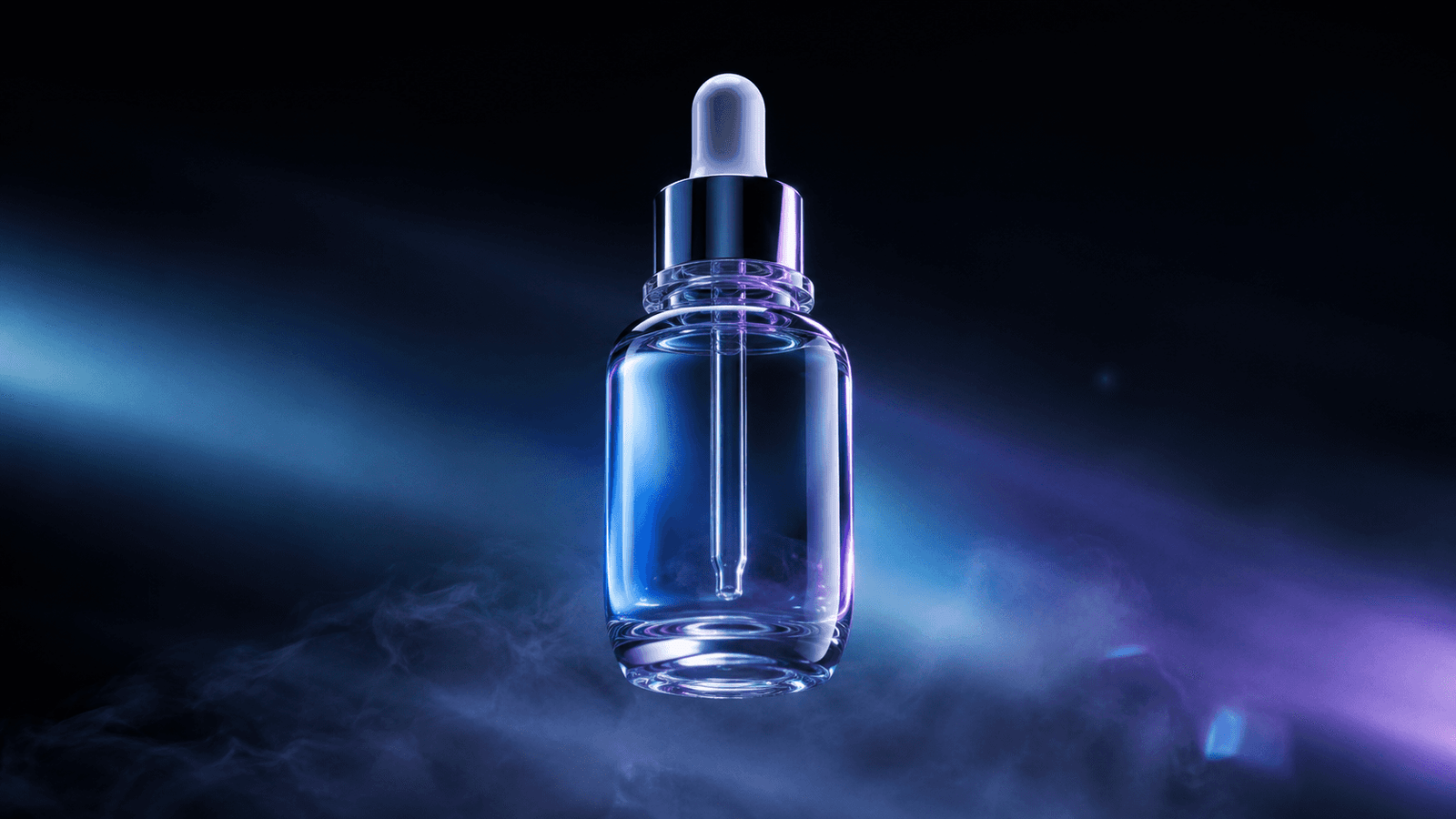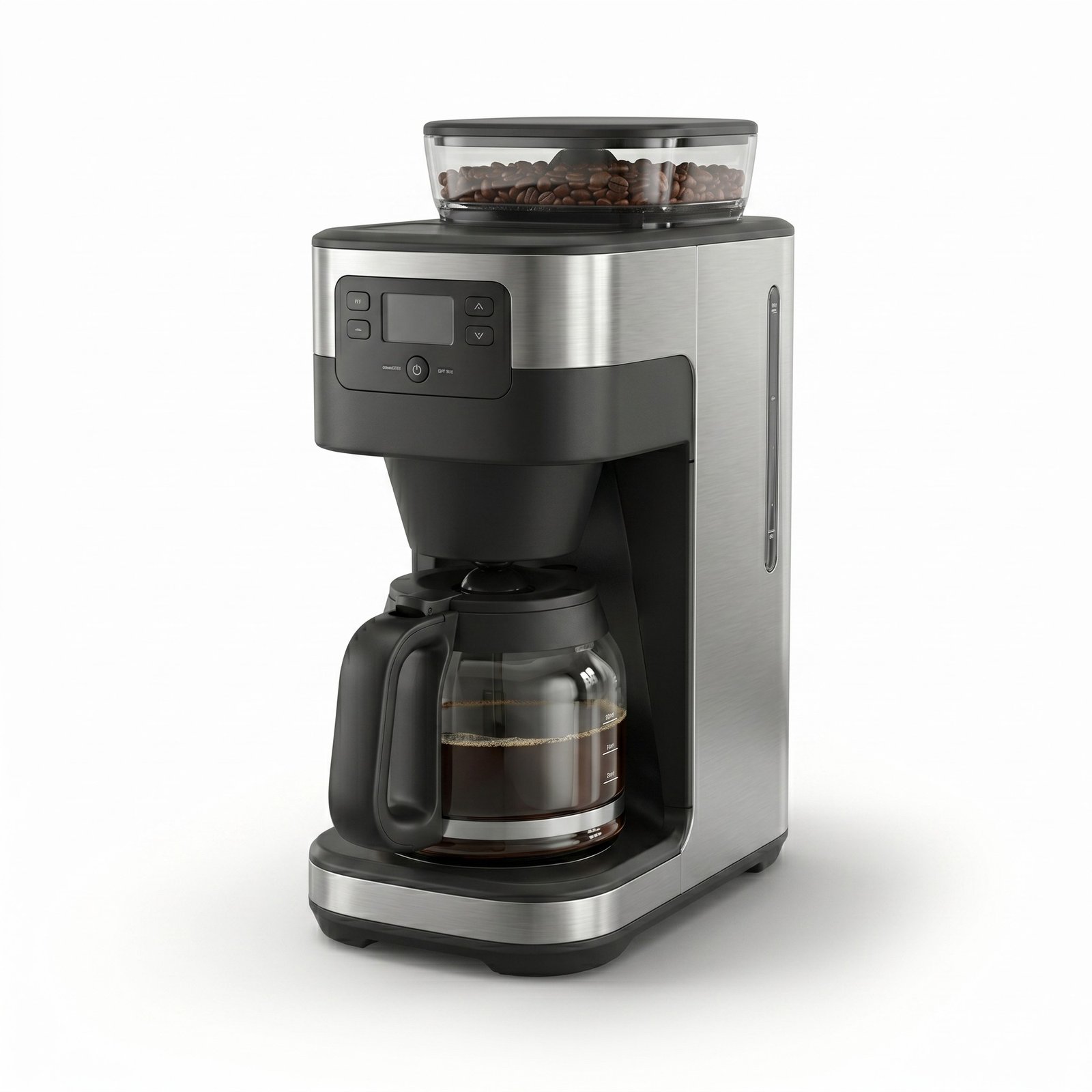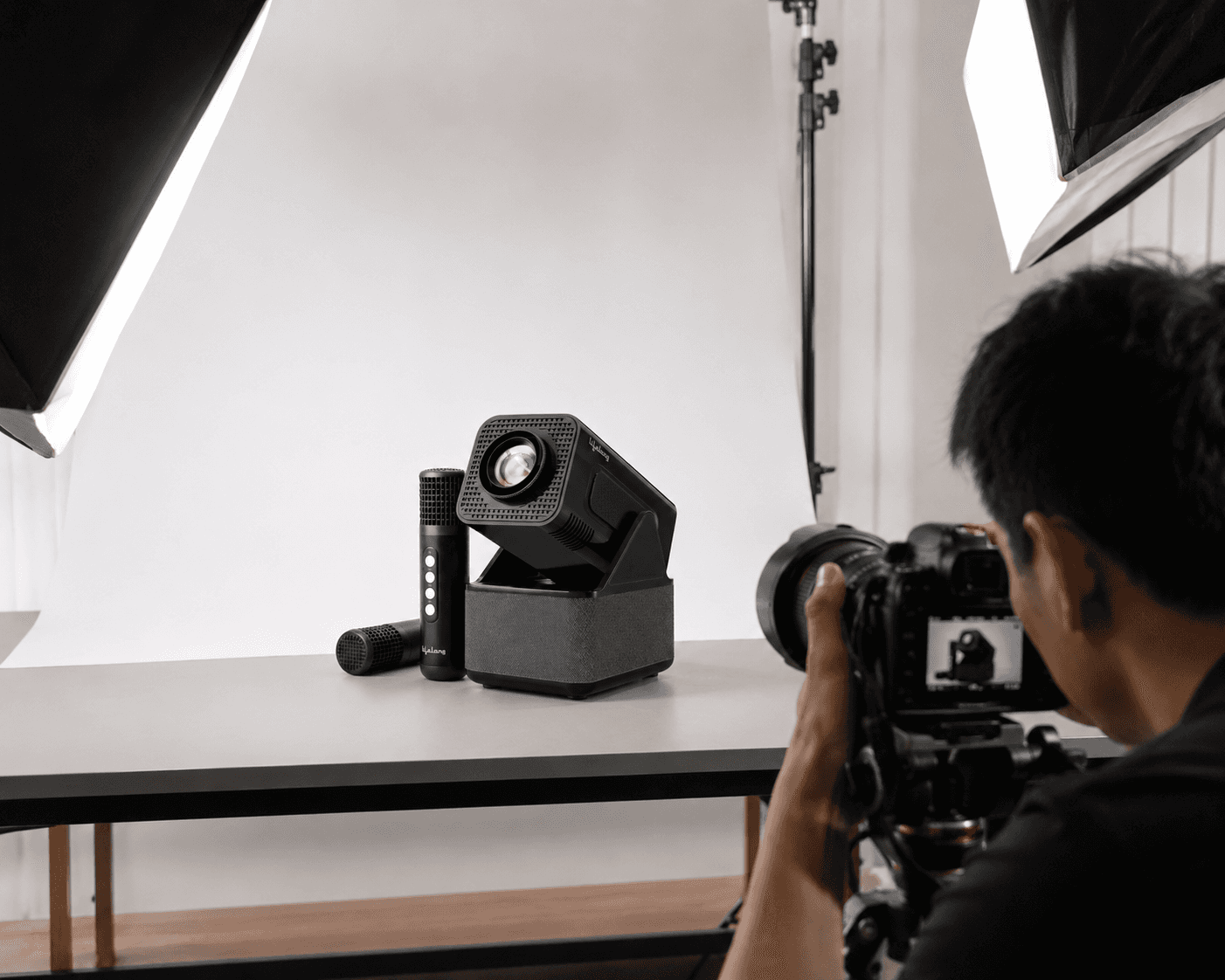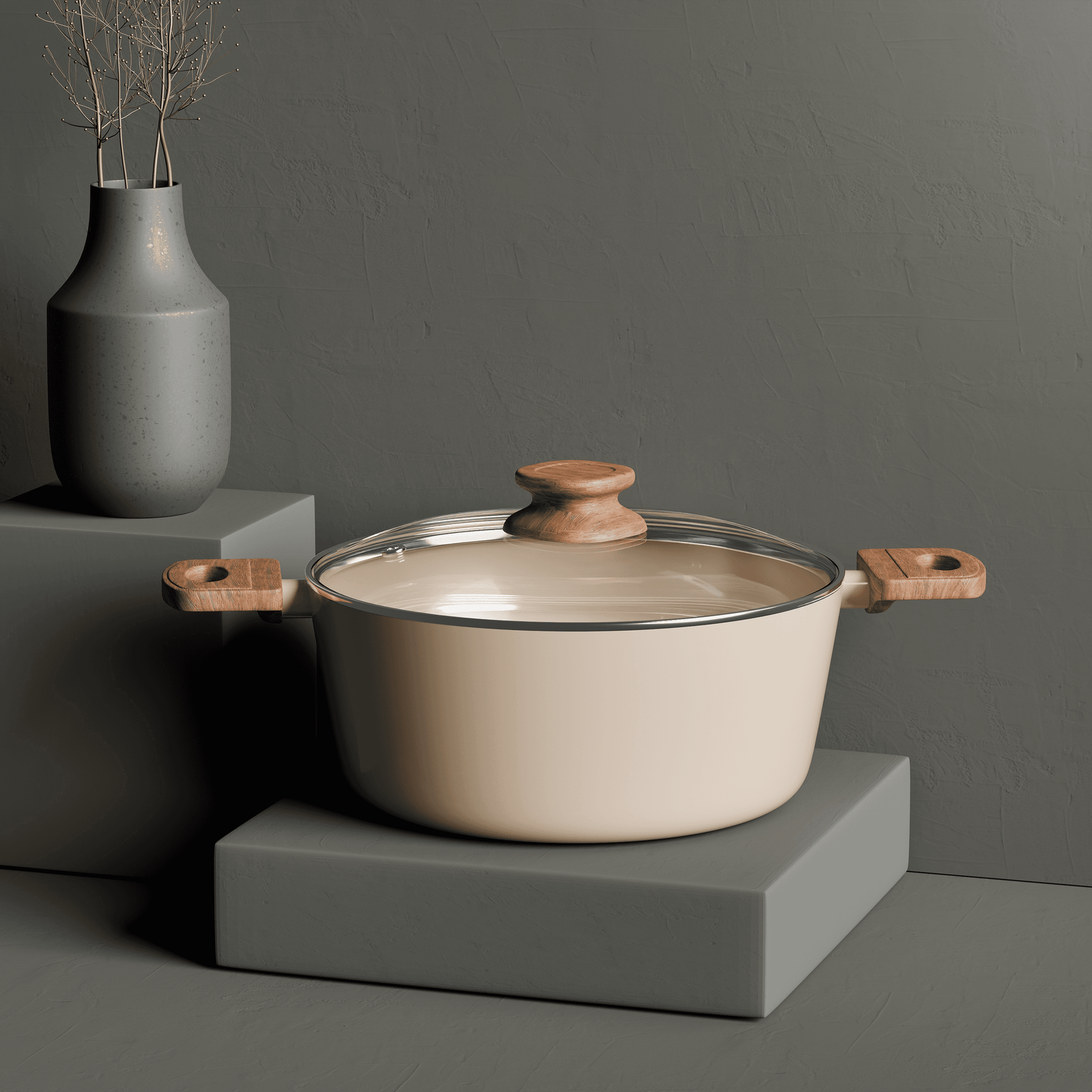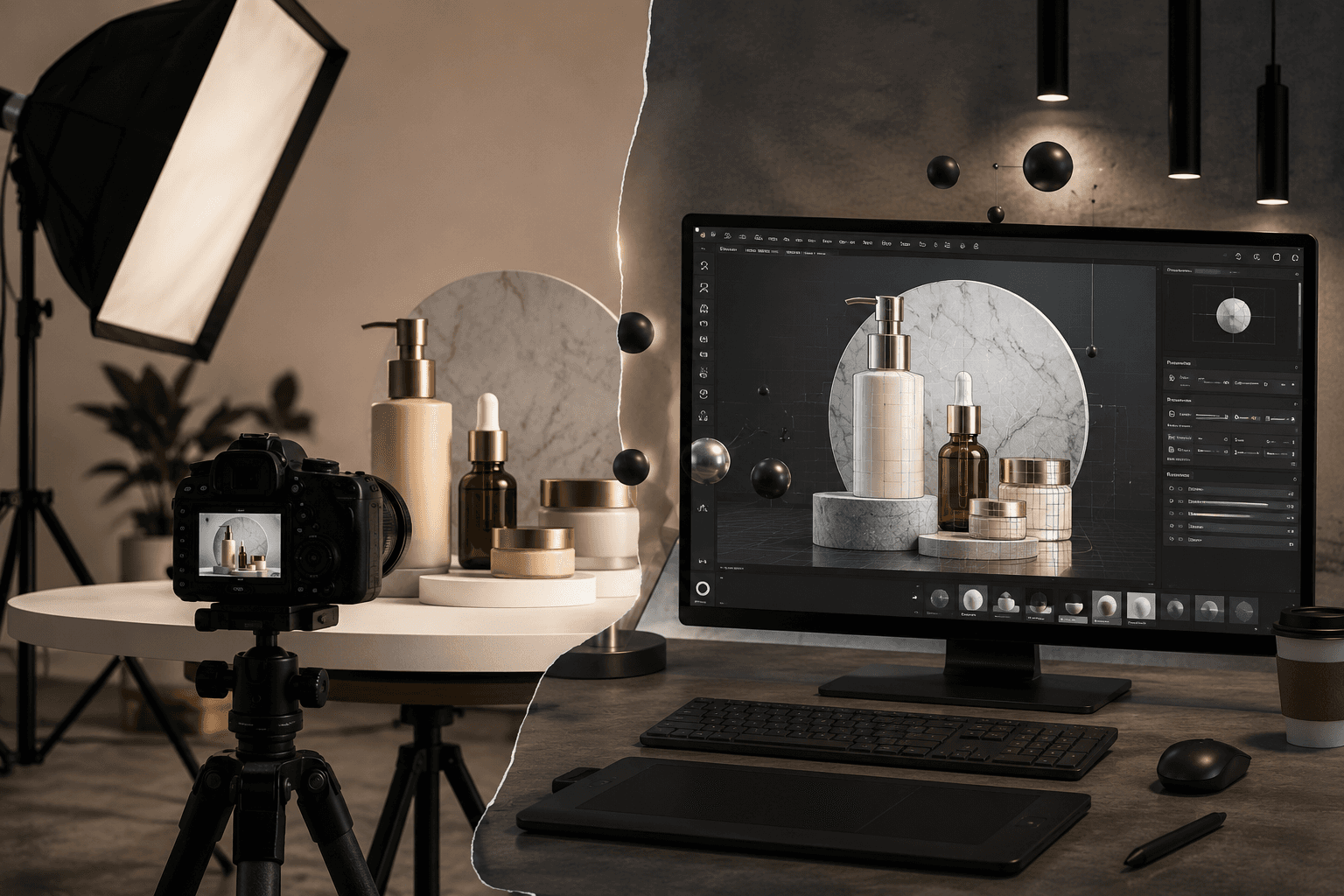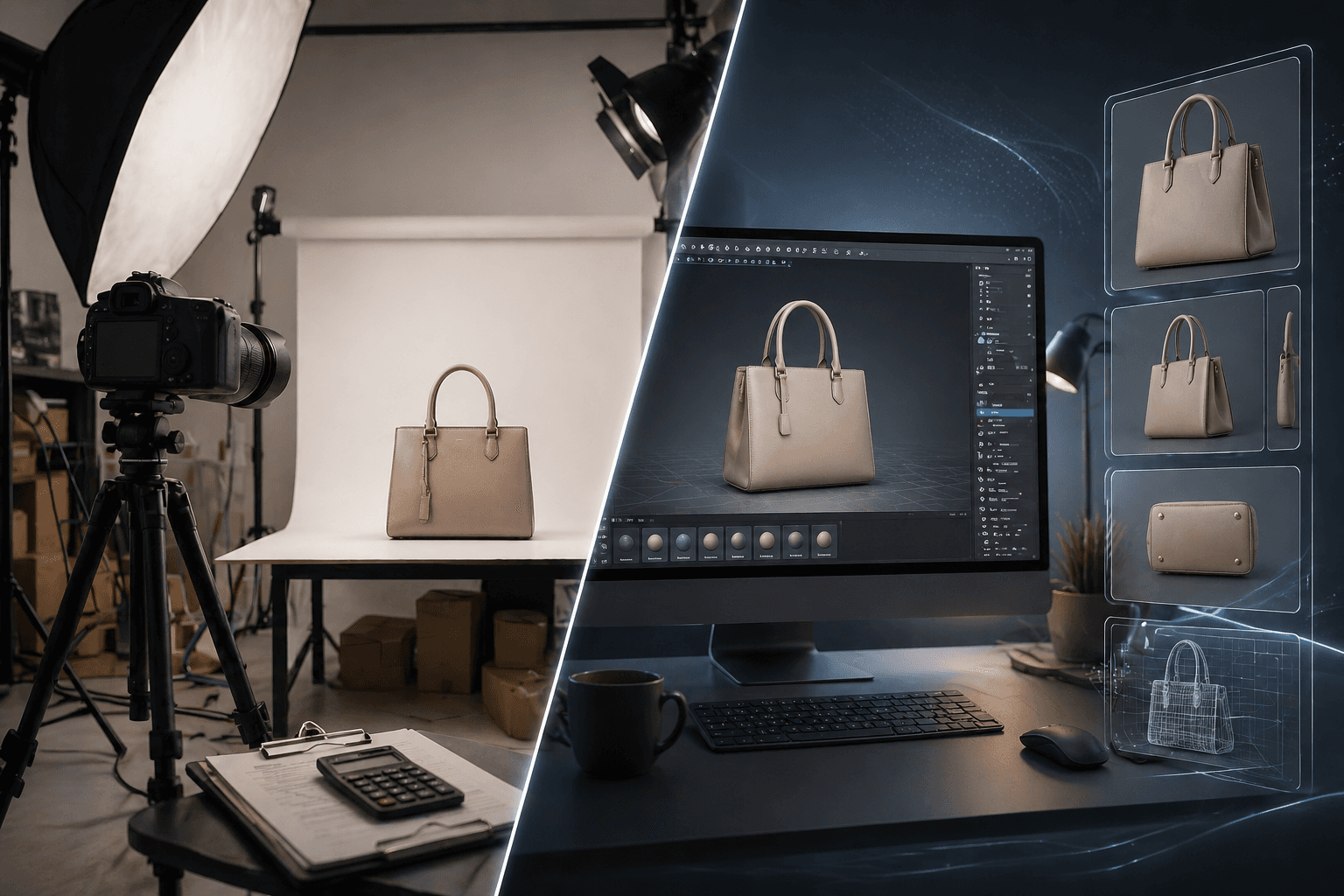
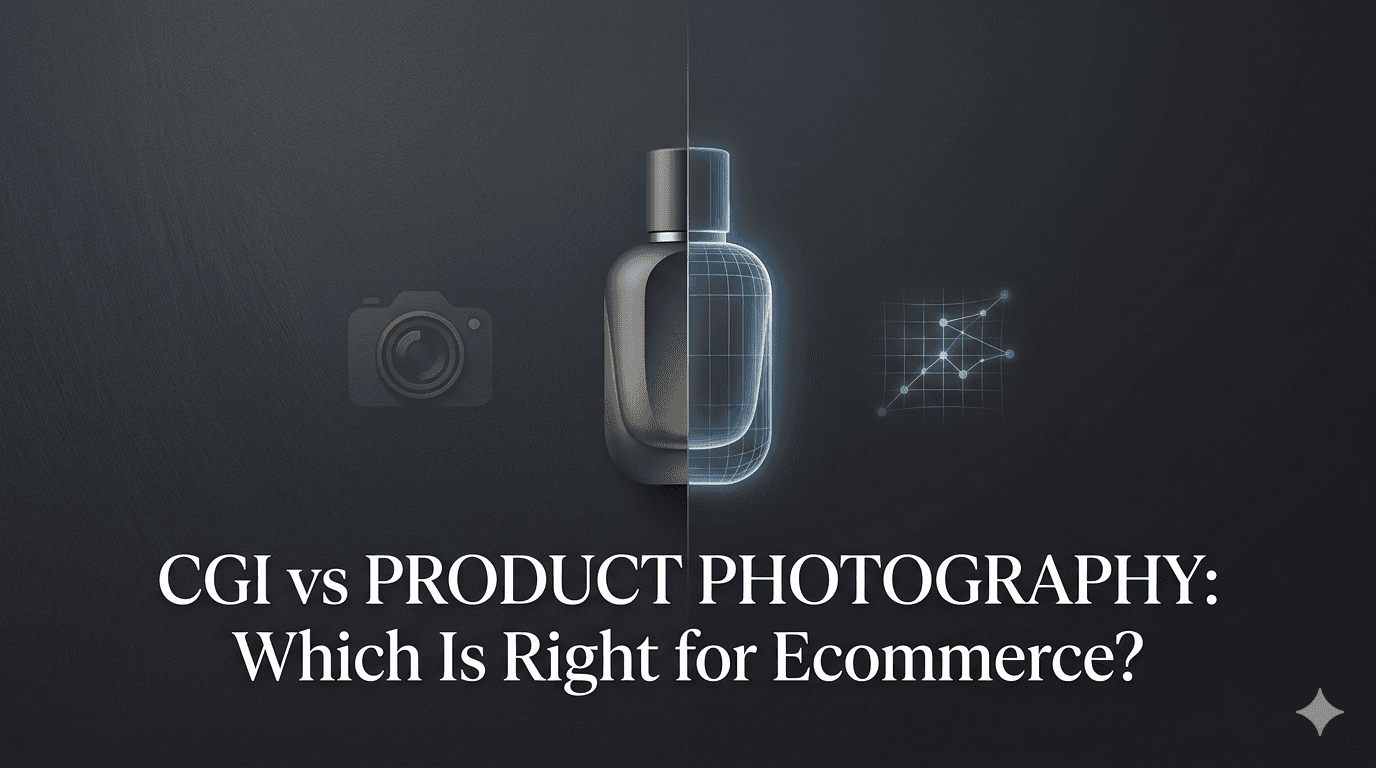
For ecommerce catalogues past 20 SKUs, CGI matches or beats product photography on cost per usable image and wins outright on turnaround, consistency and variant management. Photography still wins on unique organic texture, on-model apparel and food that has to look edible on set. The right choice is category-dependent, and for most established brands the honest answer is a mix.
What each cost actually looks like
Traditional product photography lands at roughly $50 to $150 per image on a white background once setup is priced in. CGI rendering lands in the same range per image once the first model build is amortised across the outputs it produces.
The trap is the quoted per-image rate. A photography quote of $40 per image typically becomes about $84 per usable image once studio hire, retouching, sample shipping and coordination time are counted, a 2 to 3x multiplier that catalogue owners keep learning the hard way.
Where the cost curve breaks
CGI economics improve sharply with scale. Welpix data cited in 2025 put the cost reduction at around 50% versus traditional shoots for typical brands. 2MC in 2026 put it as high as 80% for smaller brands running AI-assisted CGI pipelines. Neither number is universal, but the direction is consistent past 20 SKUs.
Turnaround, honestly
CGI turns around in 48 to 72 hours for standard deliverables. Photography, once sample shipping, studio booking, shoot and post are included, is 5 to 15 business days. The gap widens further for variants, because a variant is a file edit in CGI and a new shoot day in photography.
Why 90%+ of shoppers care about the image, not the pipeline
More than 90% of online shoppers say product images influence purchase decisions. What matters at the PDP is fidelity, angle coverage and accuracy, not which pipeline produced the file. That is why the useful comparison is per-converting-image, not per-image.
Where CGI wins clearly
- Catalogues over 20 SKUs where per-image cost has to scale down
- Colour variants, packaging updates and pre-launch imagery
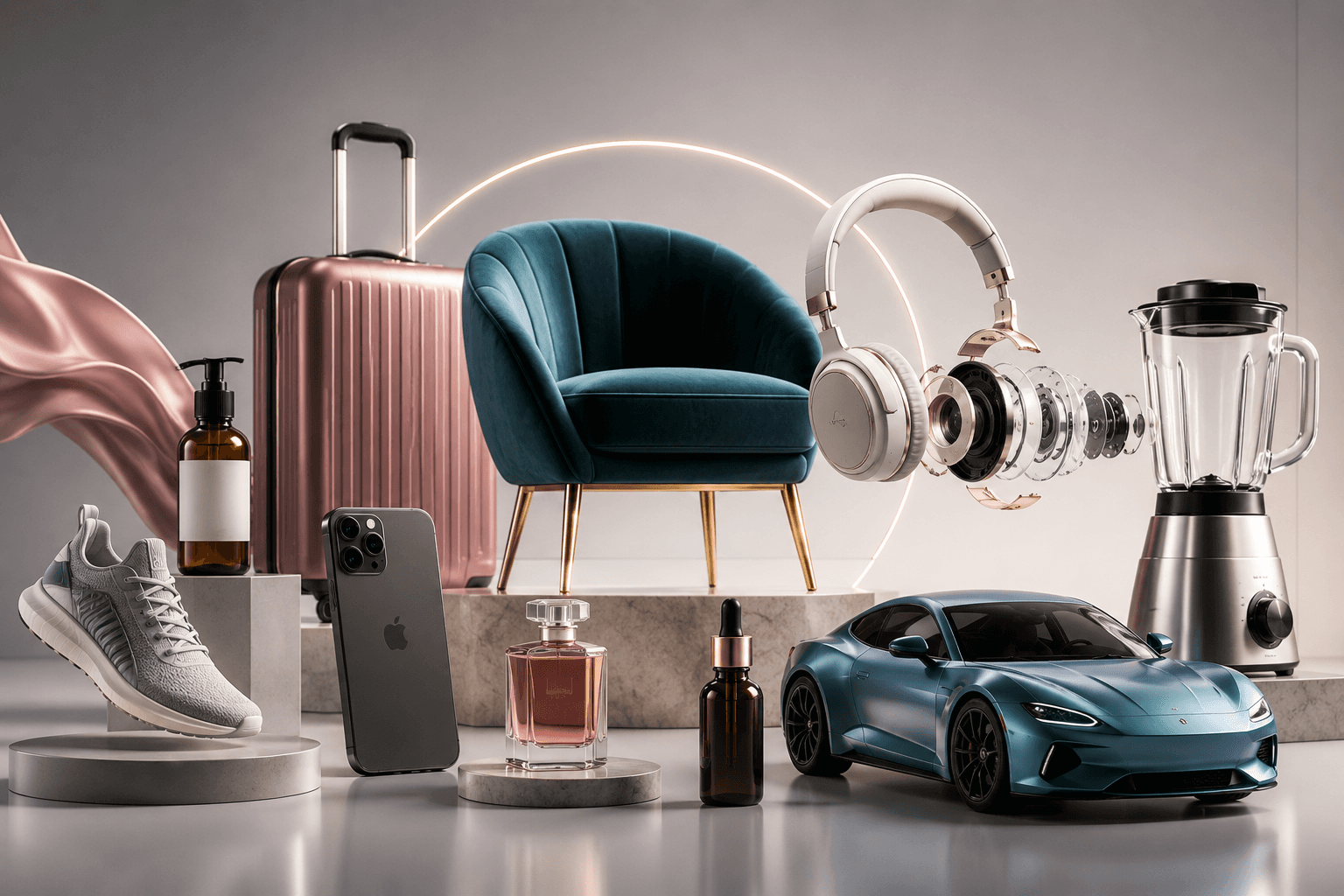
- Electronics, FMCG, cosmetics, furniture, jewellery and sporting goods
- 48 to 72 hour turnaround versus 5 to 15 business days
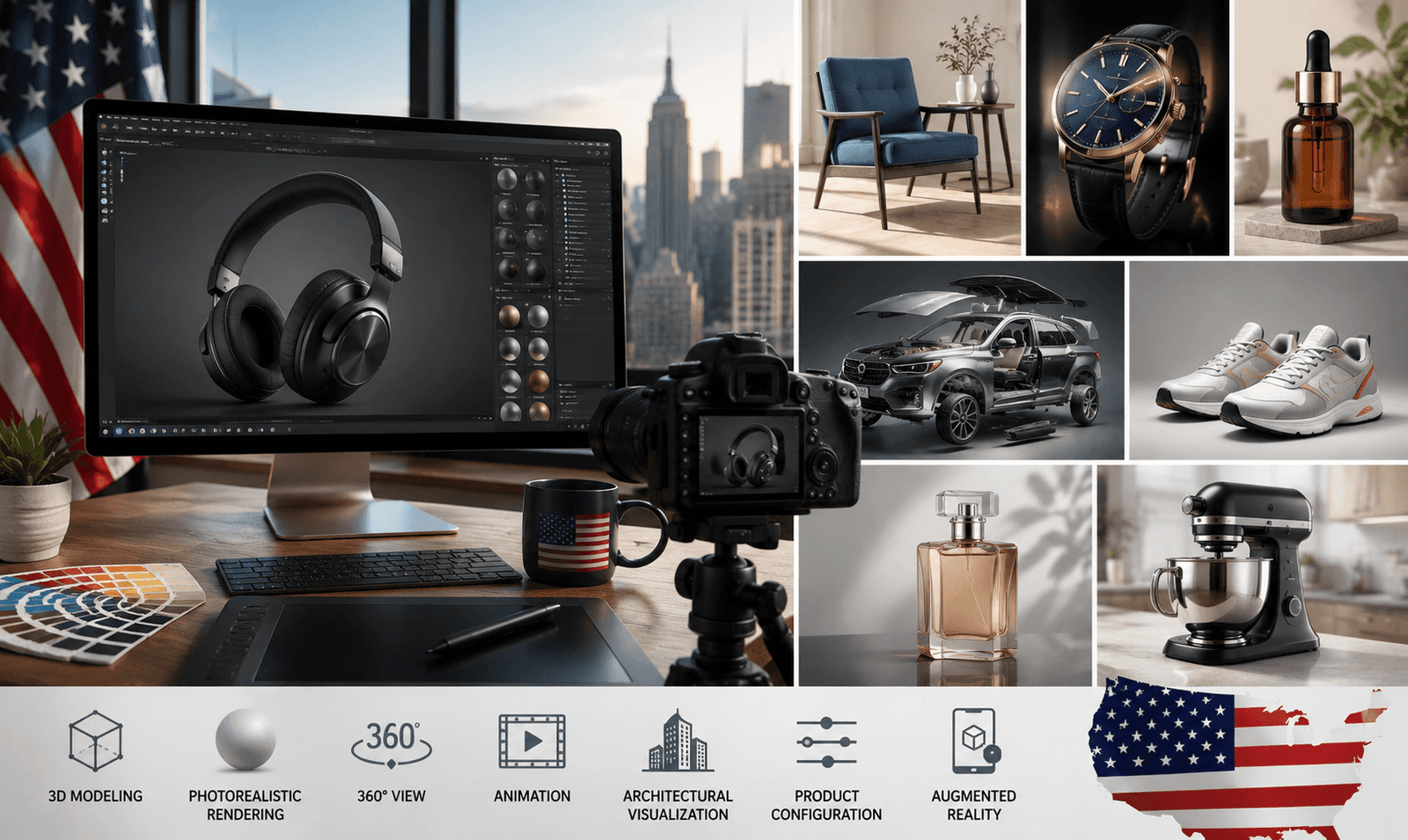
- Interactive assets, 360 spins and AR, from the same file
Where photography wins clearly
- Handmade products with unrepeatable organic texture
- On-model apparel where real fabric drape sells the piece
- Editorial lifestyle with real human moments
- Food where appetite appeal depends on real steam, condensation and set-work
- One-off hero images where a full model build is more work than the shoot itself
The hybrid that most established brands actually run
Photography for hero campaigns, editorial lifestyle and on-model shots. CGI for catalogue imagery, silo shots, variant images and marketplace listings. This is the model most large retailers use in practice, because it captures what photography does best while letting CGI absorb the variant load that would otherwise dominate the budget.
How to decide on your own catalogue
Count the images the product will need over the next twelve months and how often the product itself will change. A single unchanging hero shot for a handmade good stays with photography. Ten angles across five colourways over three campaigns tips to CGI before the second shoot day is booked.
For anything in electronics, FMCG, cosmetics, furniture, jewellery or sporting goods, the maths has usually already tipped. For anything on human bodies or edible on plates, keep the shoot and let CGI carry the variants around it.