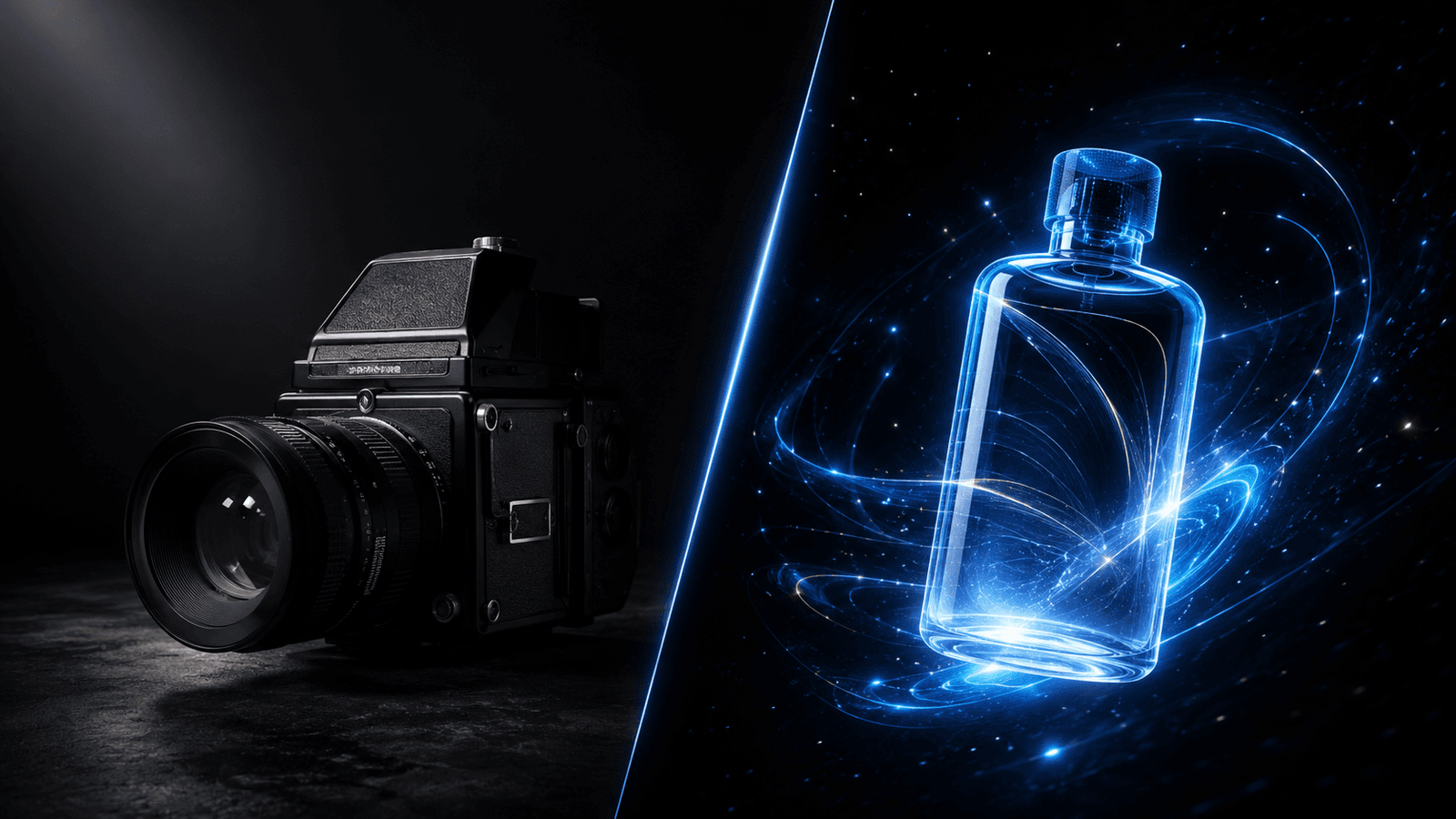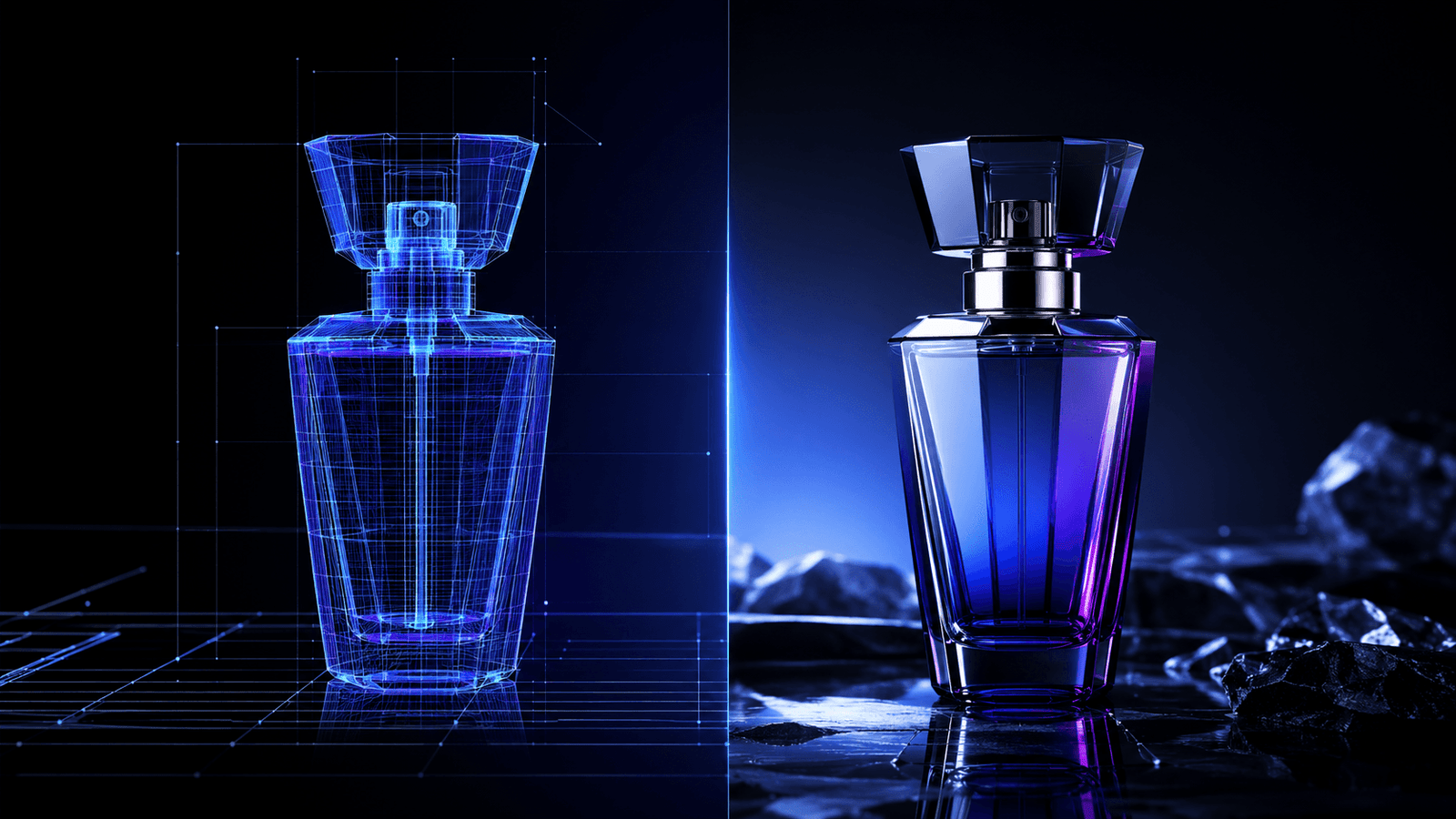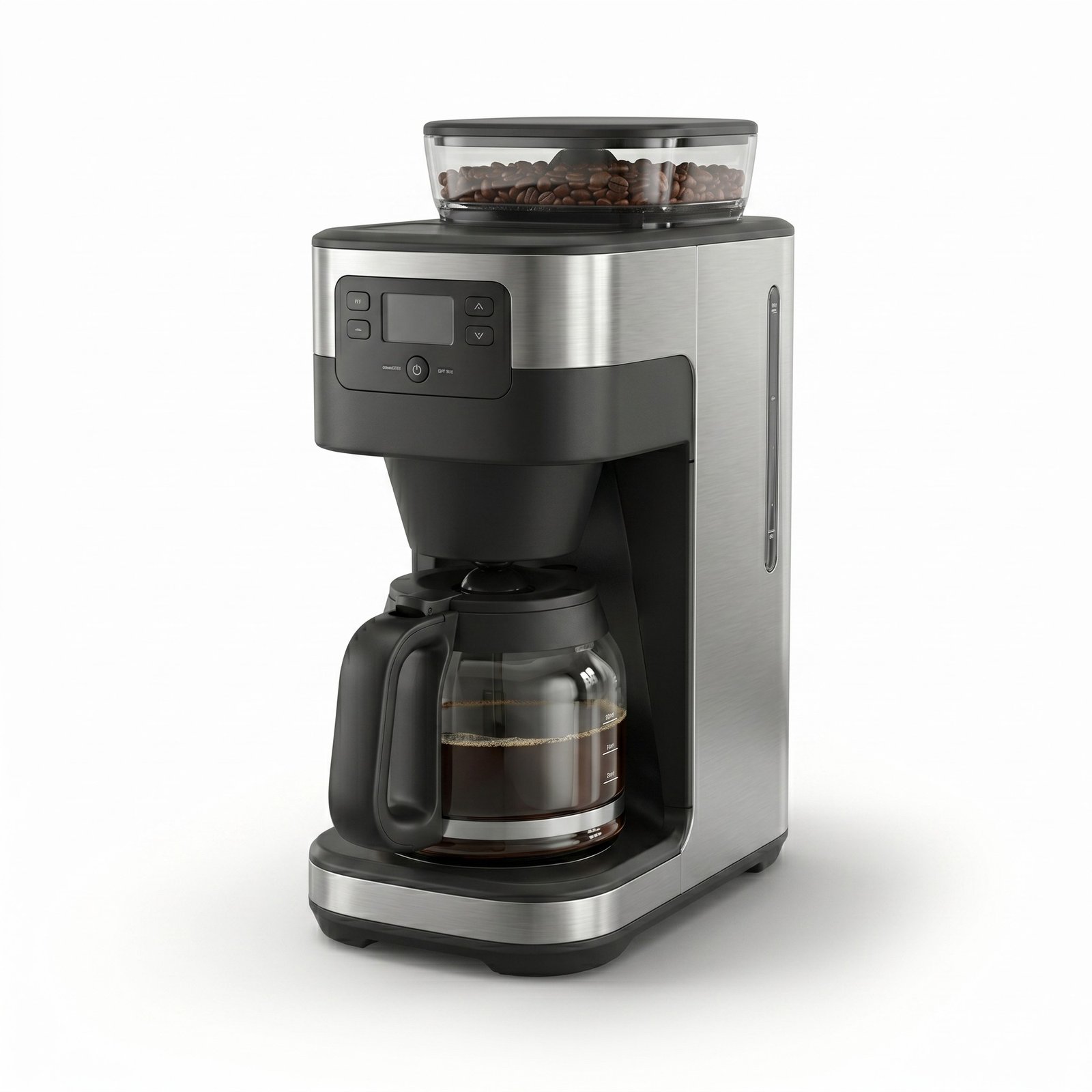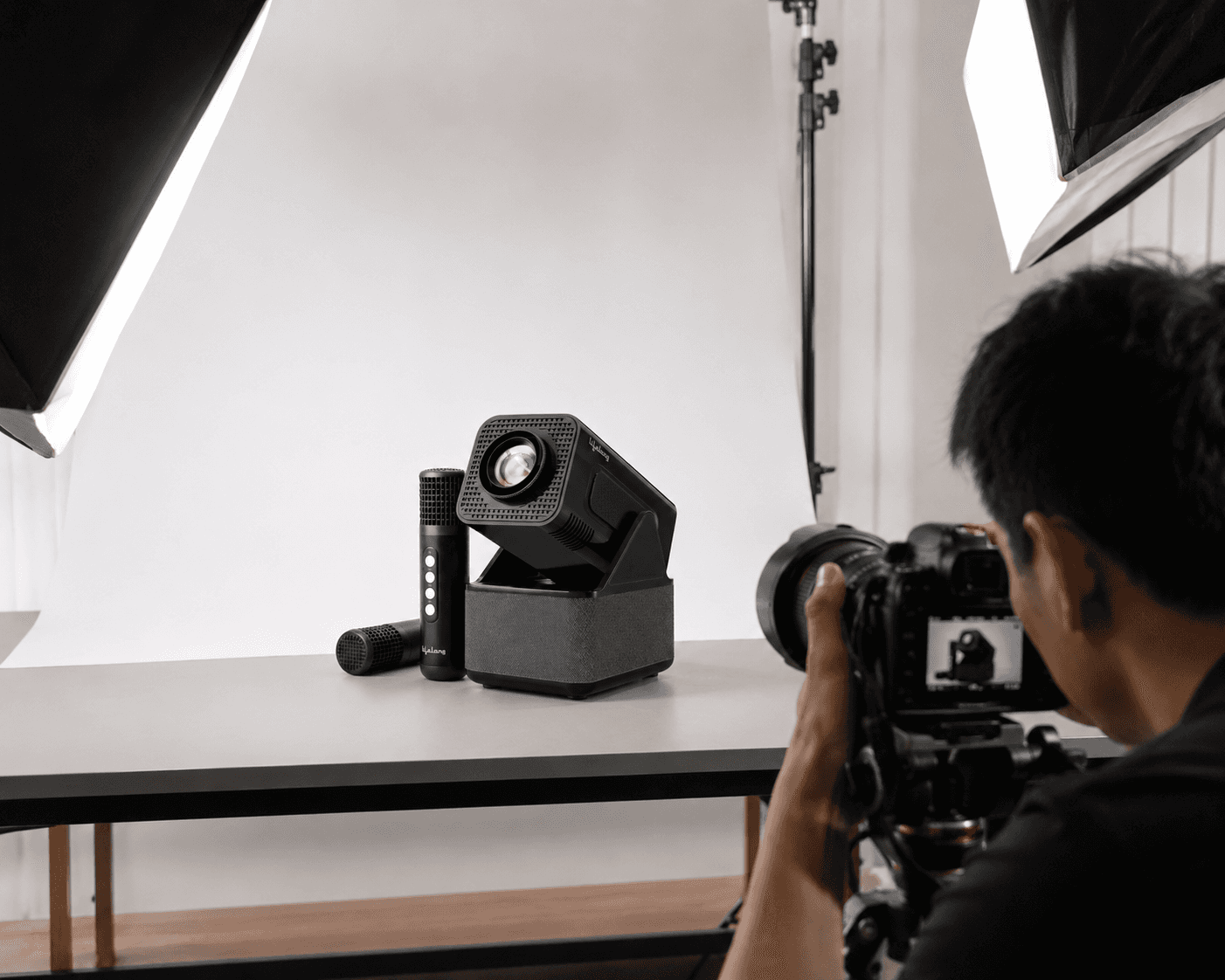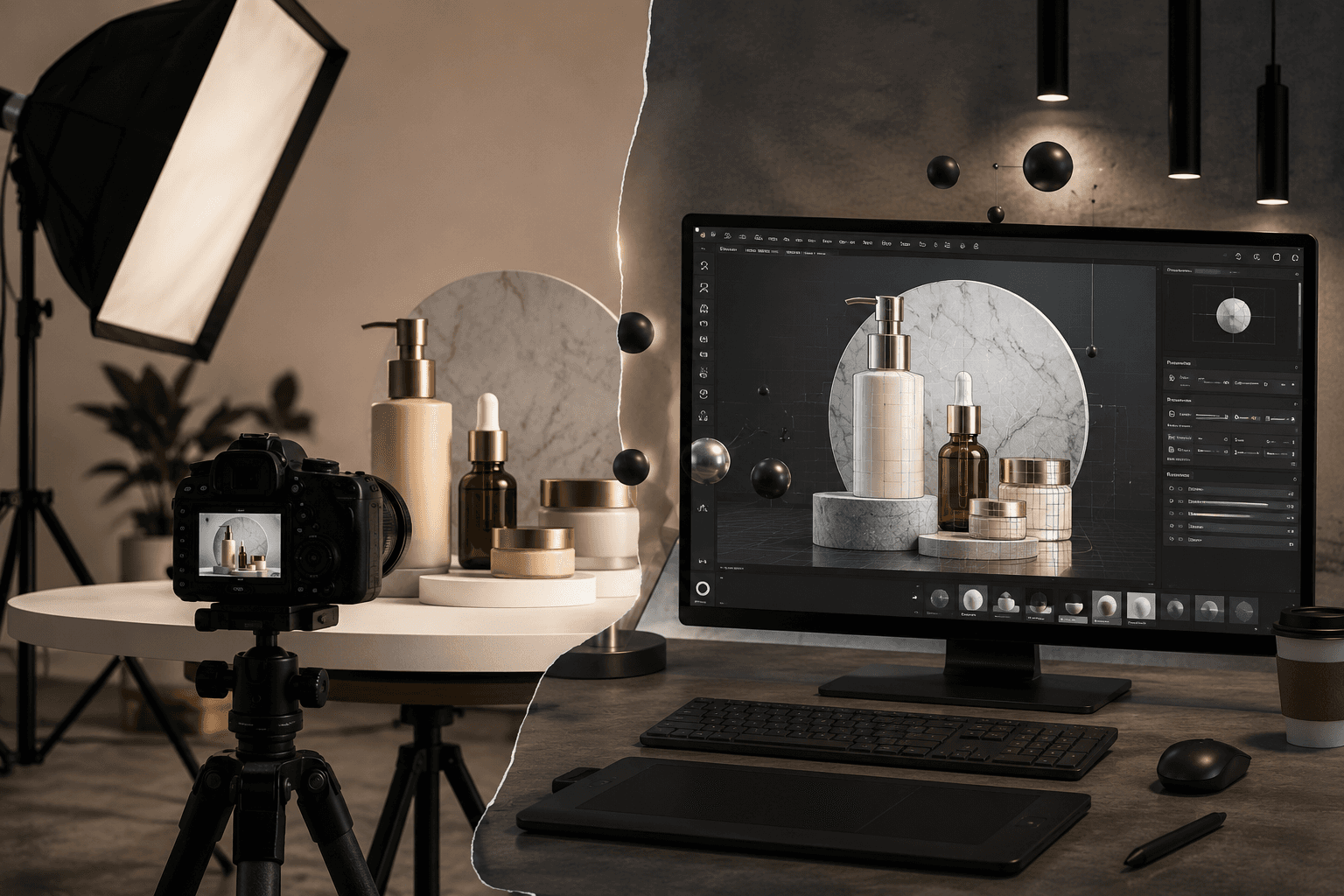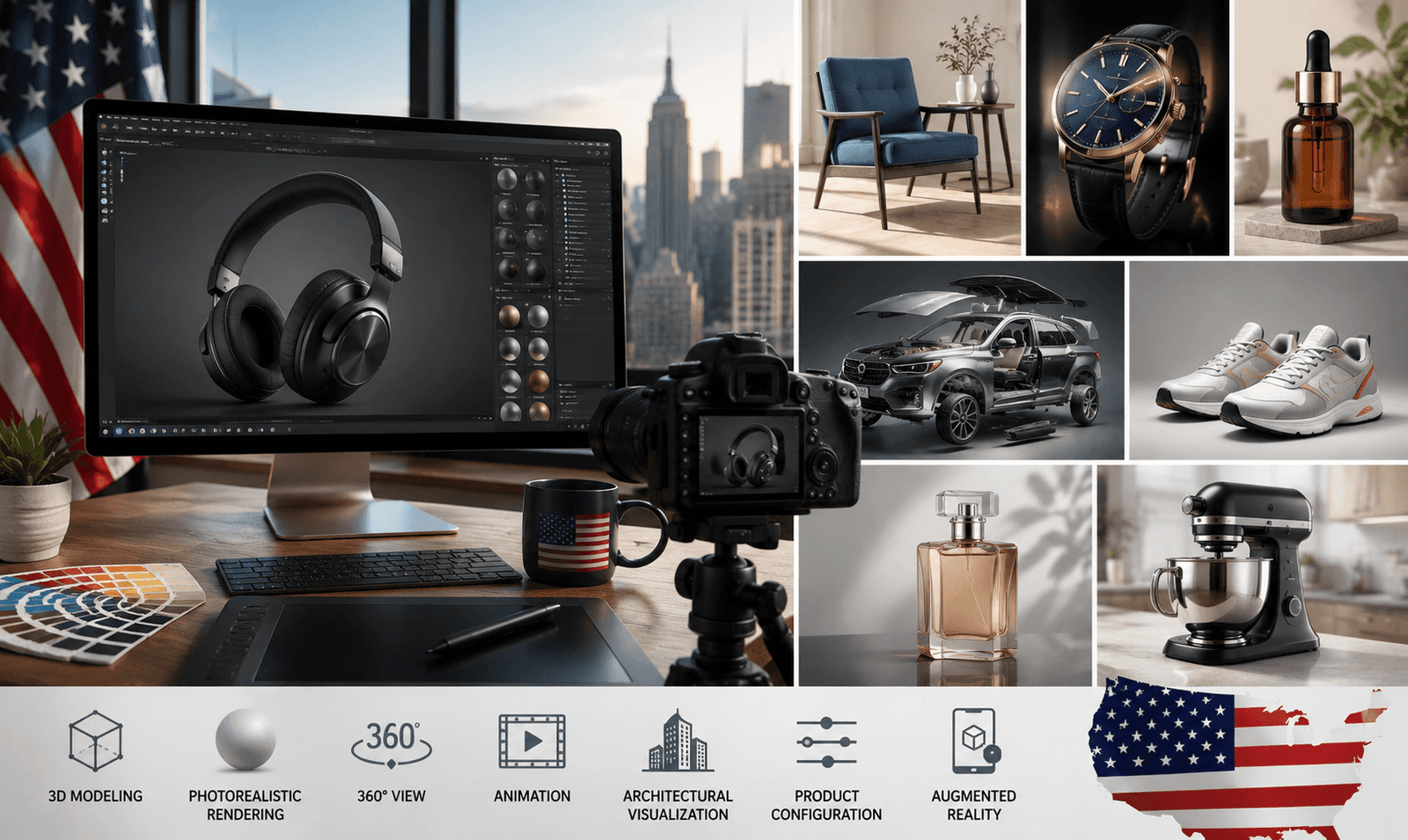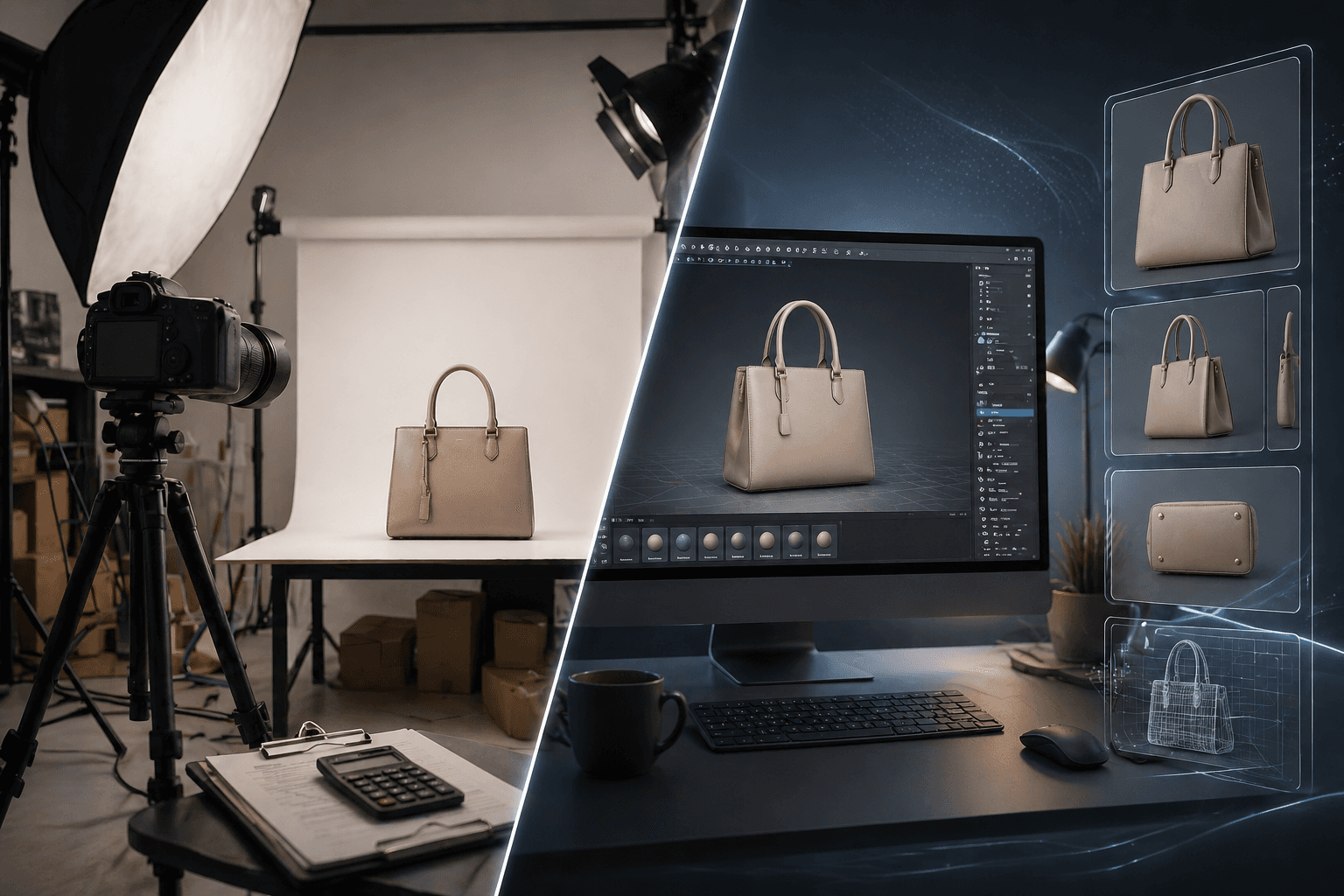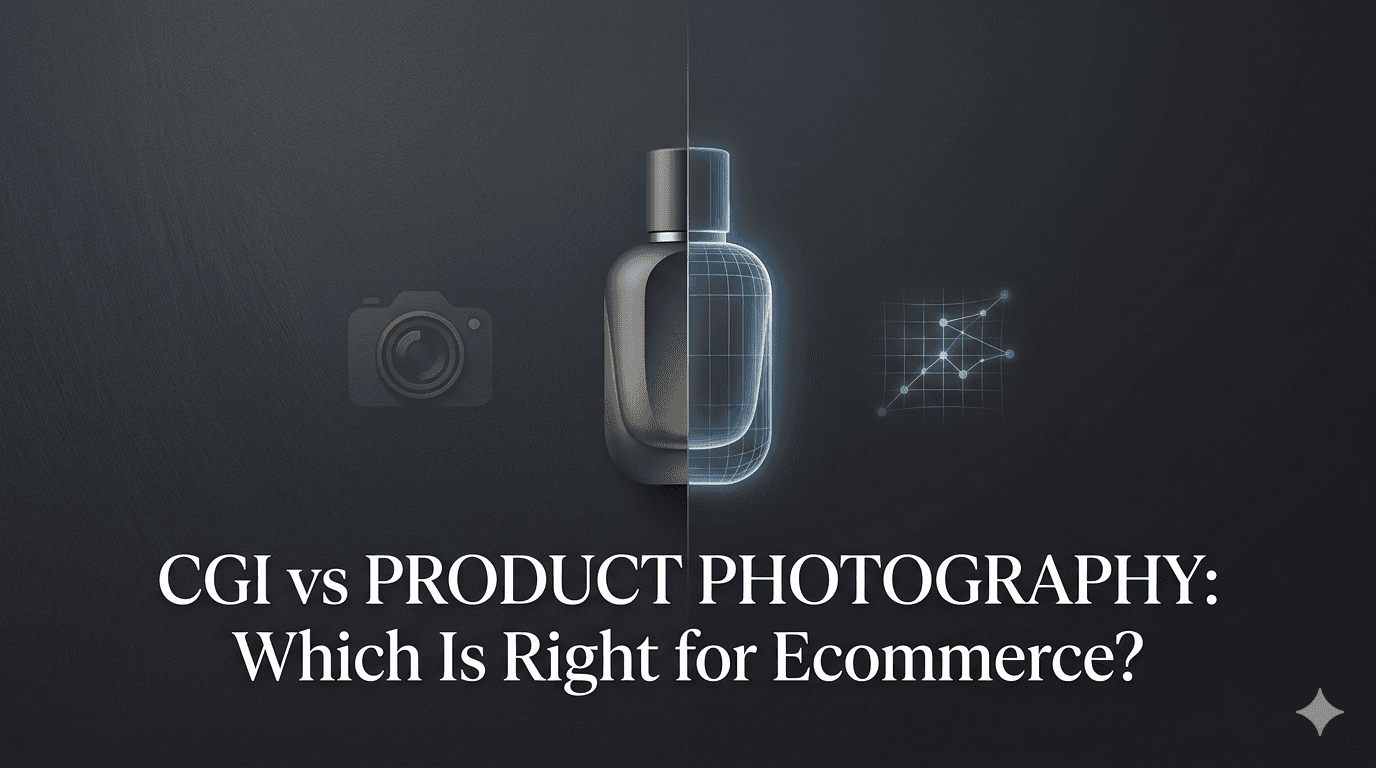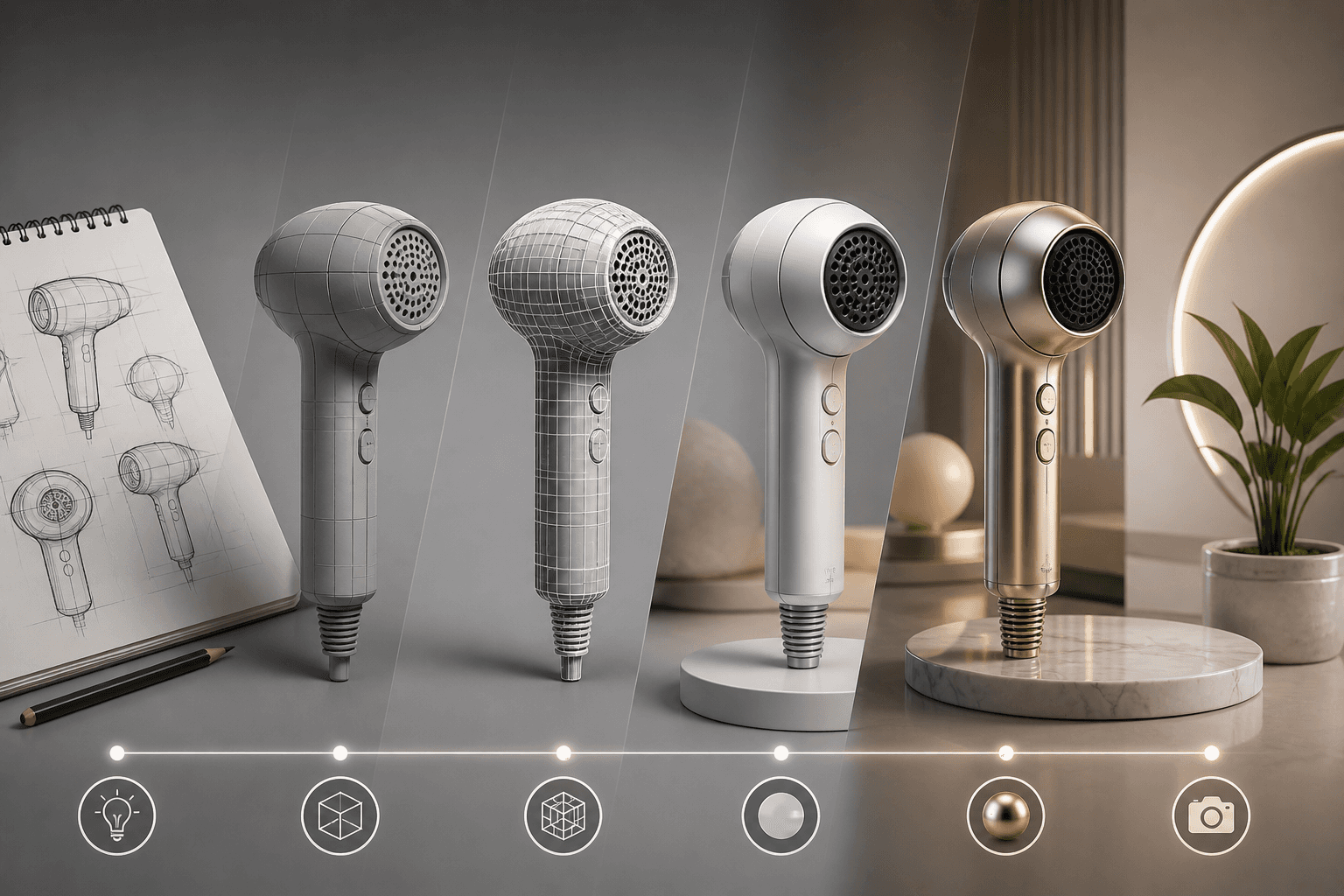
A full Amazon-ready product shoot in India runs ₹80,000 to ₹2,00,000 by the time samples, studio, crew, retouching and reshoots are counted for a single SKU. A full CGI stack that meets the same Amazon spec runs a fraction of that and lands in 48 to 72 hours, because the model is built once and every image after the first is a render, not a shoot.
What Amazon actually asks for in 2026
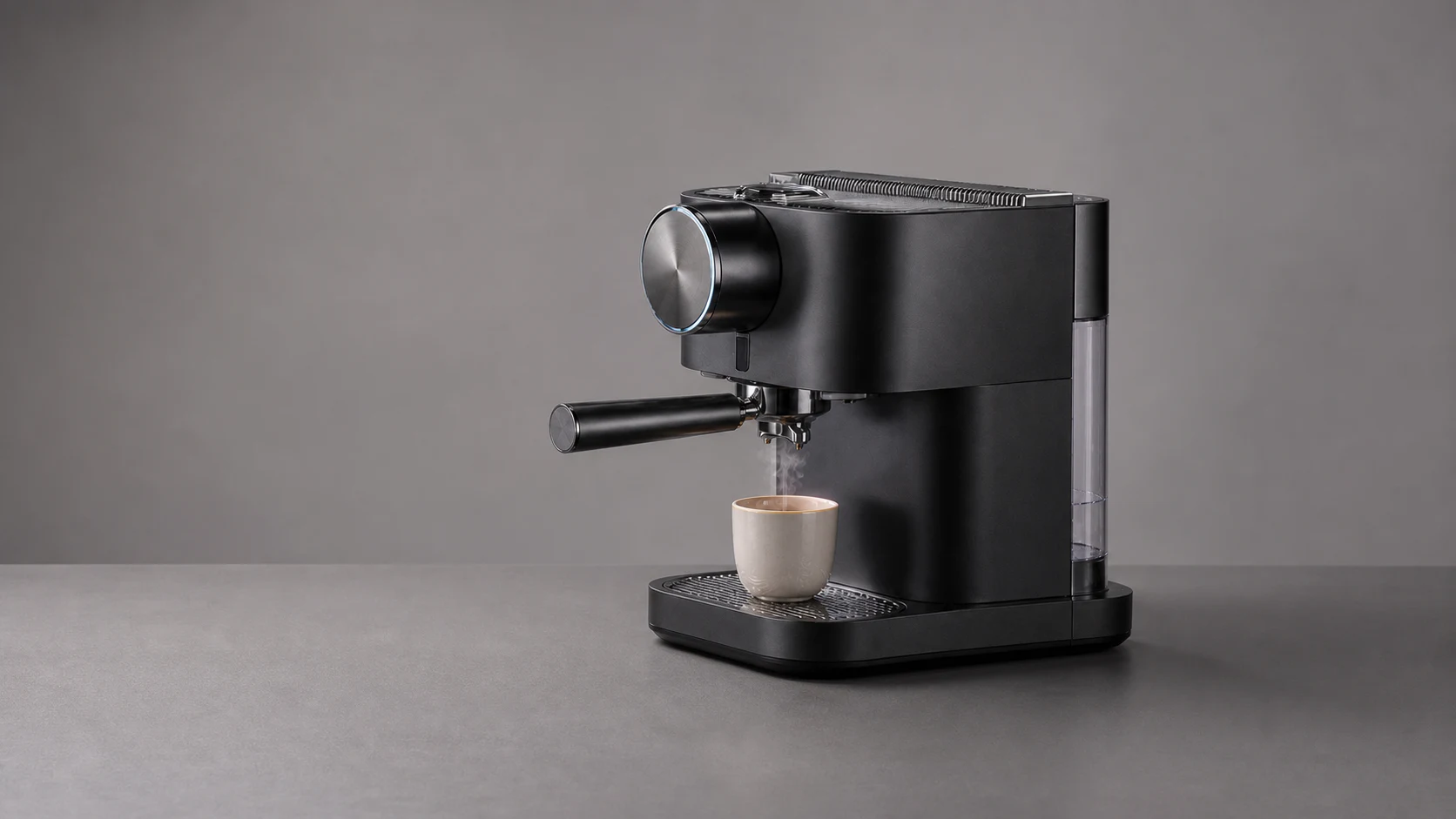
Amazon allows up to 9 images per listing (8 images plus 1 video slot) and recommends a minimum of 6. The main image must sit on pure white (RGB 255, 255, 255), fill at least 85 percent of the frame and carry no text, logos or badges. Anything else triggers automated suppression.
- Minimum resolution 1,000 x 1,000 px to enable zoom
- Best practice in 2026 is 2,000 x 2,000 px
- Maximum 4,000 x 4,000 px for the primary image
- File size cap 10 MB, JPEG preferred, sRGB colour profile
- Square 1:1 aspect ratio strongly preferred across the stack
Why the number of images decides your rank
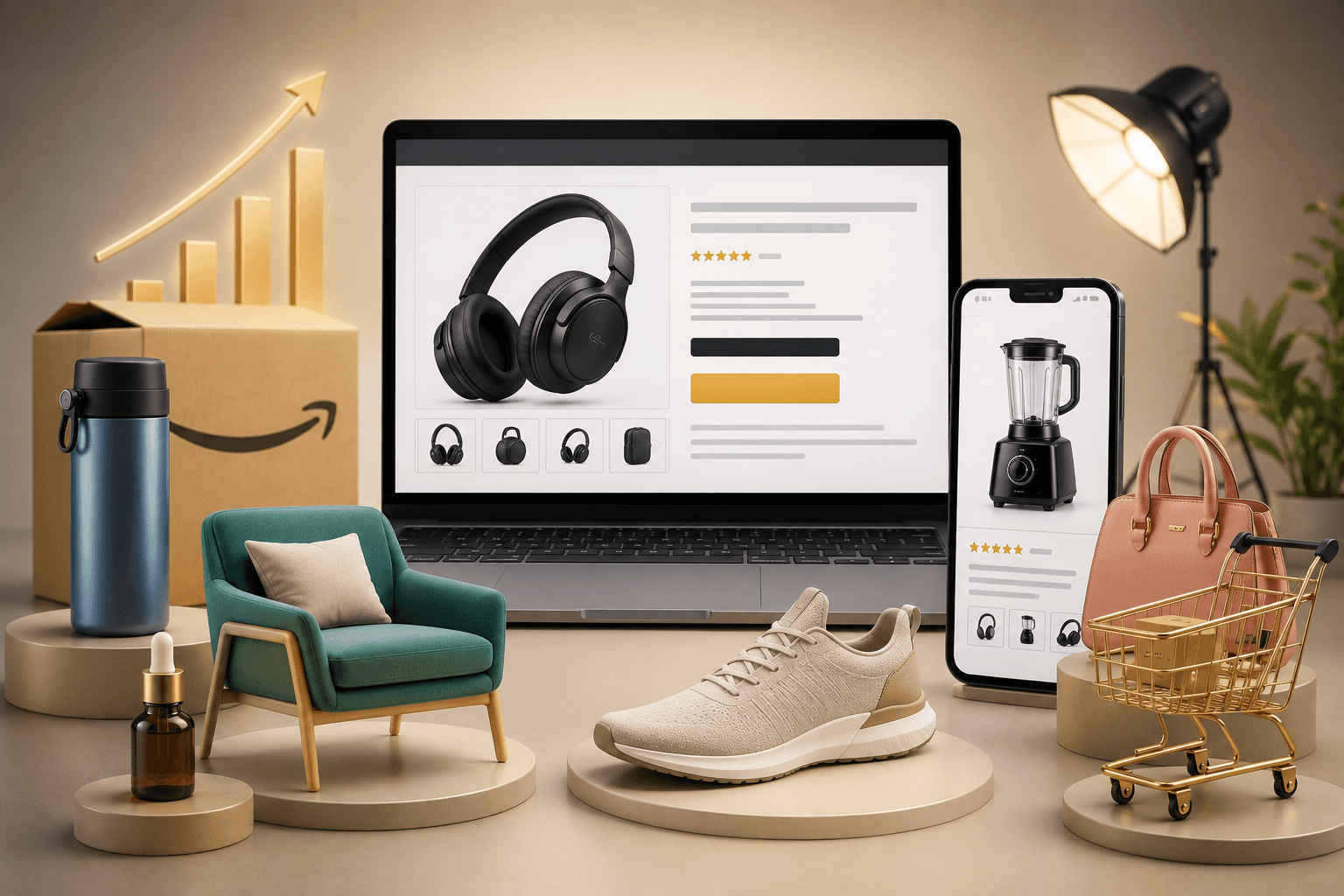
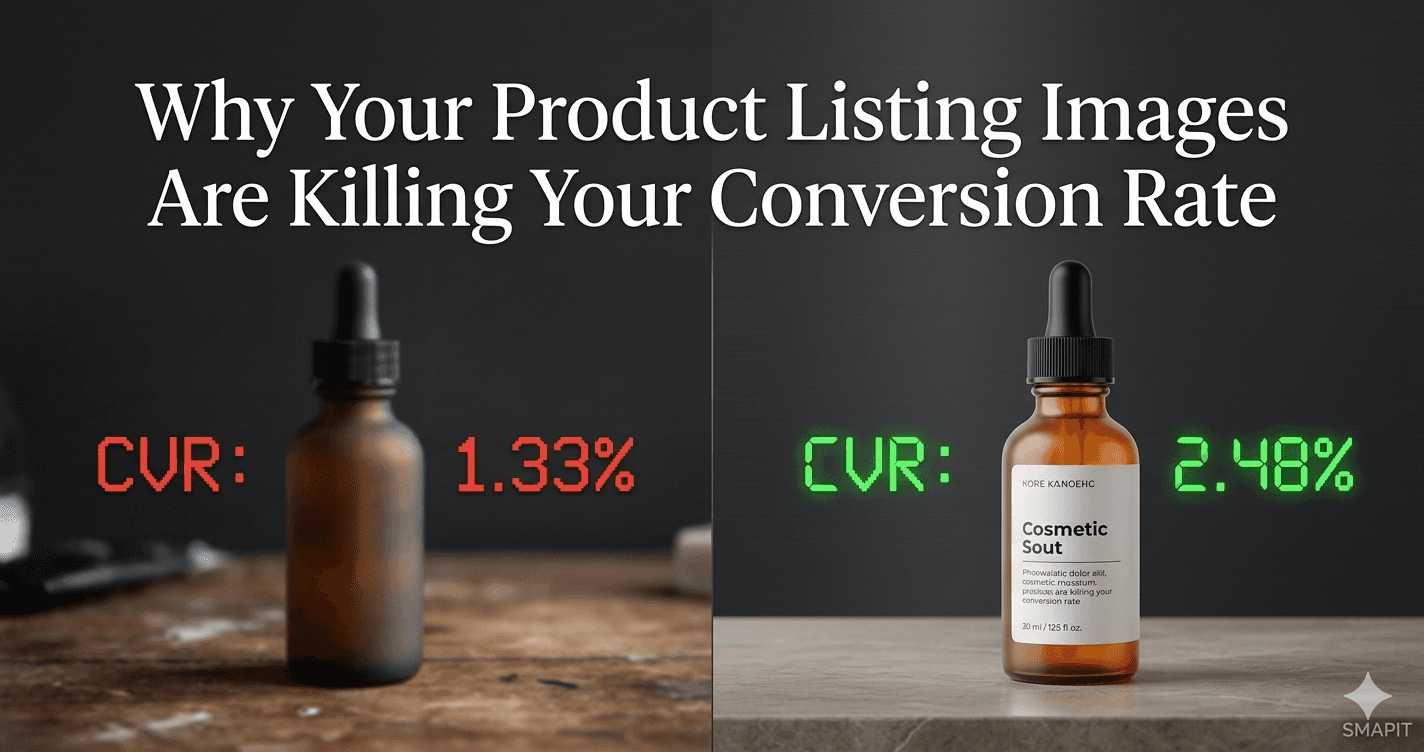
Amazon's A10 algorithm treats listing completeness as a ranking signal and uses conversion rate as a direct one. Optimised listings convert at 10 to 15 percent versus 3 to 5 percent for poorly configured ones. Marketplace Pulse reports 35 percent higher click-through on listings that meet the full image spec.
One home goods brand documented a 30 percent conversion lift purely from upgrading to a professional image stack. With around 9.7 million sellers on the platform, the image row is where the click is won or lost.
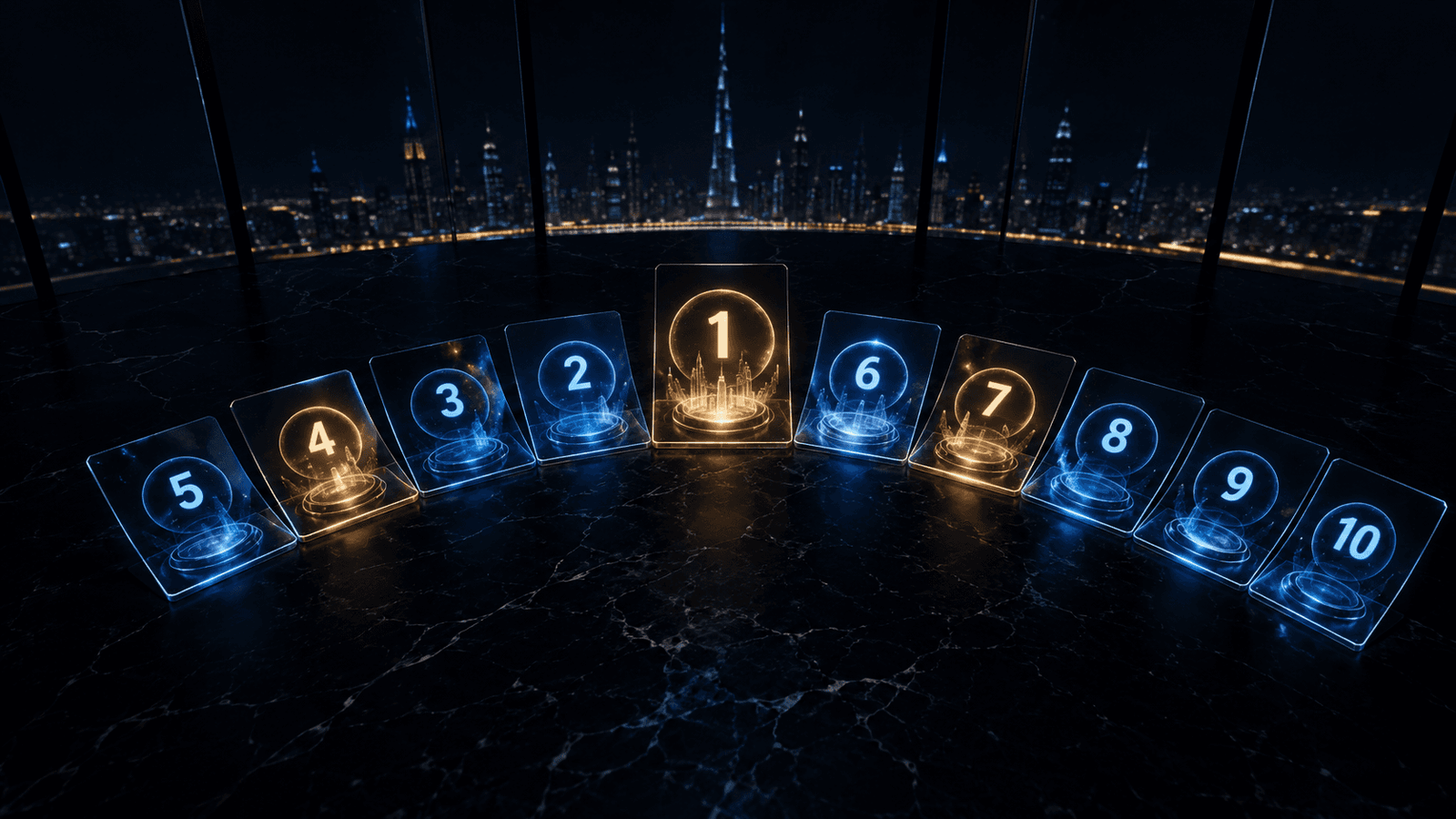
What each of the 9 slots should hold
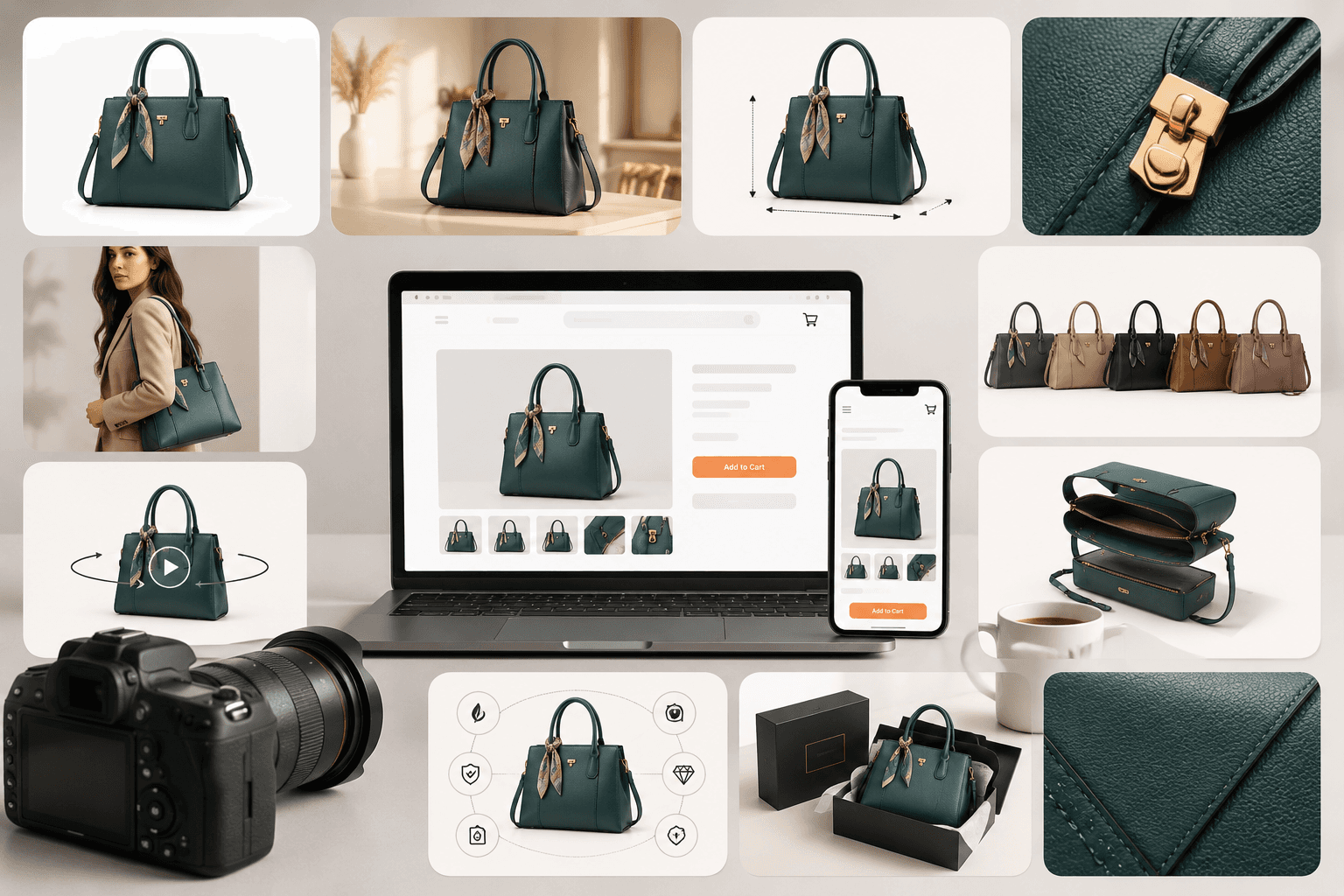
- Slot 1: main image on pure white, product filling 85 percent of the frame
- Slot 2: feature infographic with 3 to 5 key callouts
- Slot 3: lifestyle in-use shot showing scale and context
- Slot 4: dimensions and scale reference
- Slot 5: close-up detail shot for texture or material
- Slot 6: comparison or social proof panel
- Slot 7: variant showcase for colours, sizes or bundles
- Slot 8: packaging and what is in the box
- Slot 9: brand story, warranty or guarantee
The mix shifts by category
Electronics lean on infographics, dimensions and close-up detail. Beauty leans on lifestyle in-use and before-after. Furniture needs room scenes and dimension diagrams. Apparel needs on-model shots and size guides. Toys and baby need child-in-use frames with clear safety callouts. The 9 slots are the same; what you put in each one is the strategy.
What a full photo stack really costs
A studio day for a compliant 9-image stack sits at ₹40,000 to ₹80,000 before retouching. Add samples, stylist, props and retouching and a single SKU lands at ₹80,000 to ₹2,00,000 all-in. Every new colourway or bundle repeats most of that number.
The CGI alternative
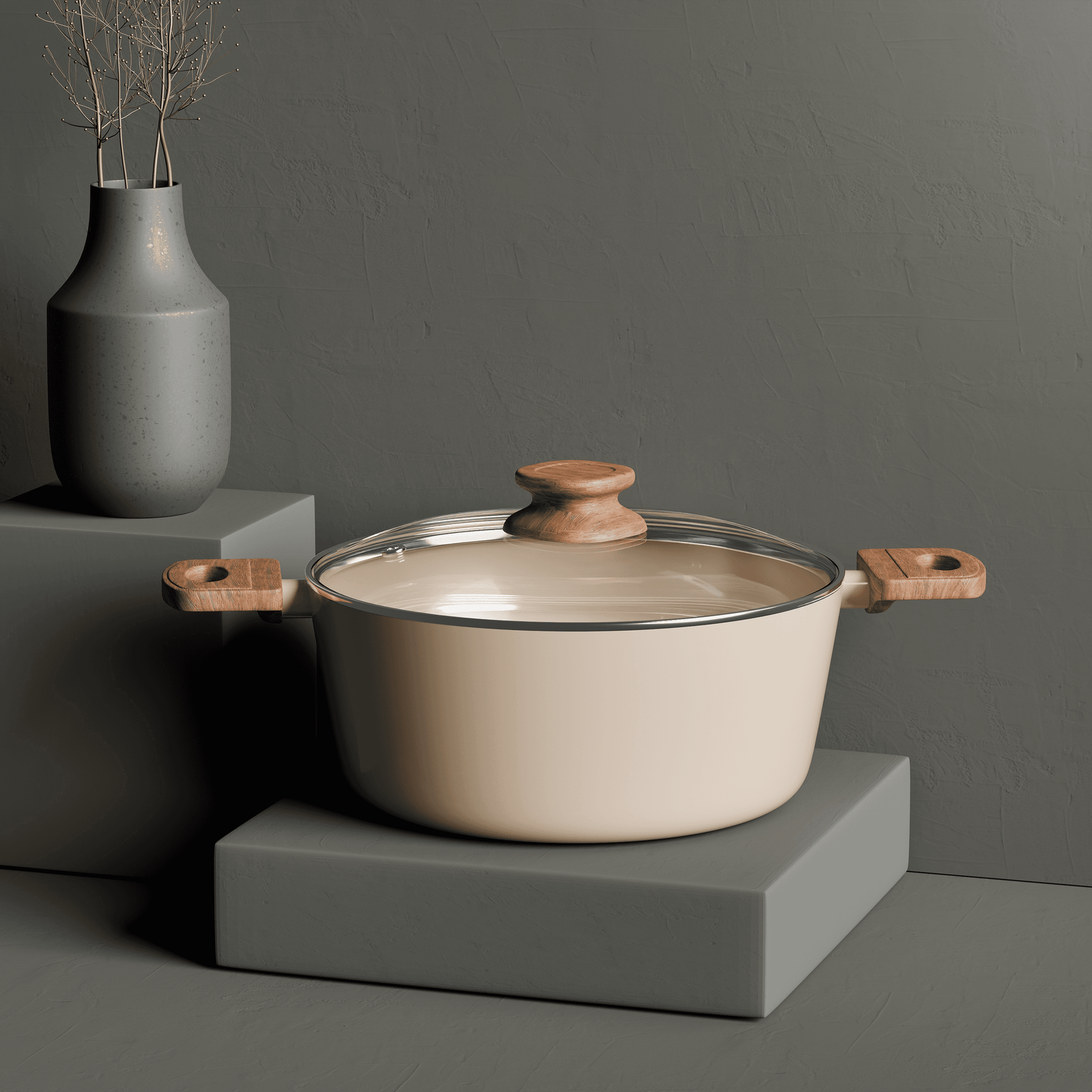
In a CGI pipeline the entire 9-slot stack comes out of one 3D model: white-background main, infographic panels, lifestyle scenes, dimension diagrams and variant colourways. First proofs land in 48 to 72 hours, and each additional image is render time, not a fresh shoot day.
You can also list before the product physically exists. A shipment stuck at customs no longer blocks the launch date if the CAD file is with the studio.
When the shoot is still the right choice
One SKU that will never be reshot, a category where texture and human moment carry the sale, or a hero image where an unrepeatable real environment matters more than infinite scale. In those cases a shoot at the studio day rate is genuinely the better tool. Everything else has already moved.