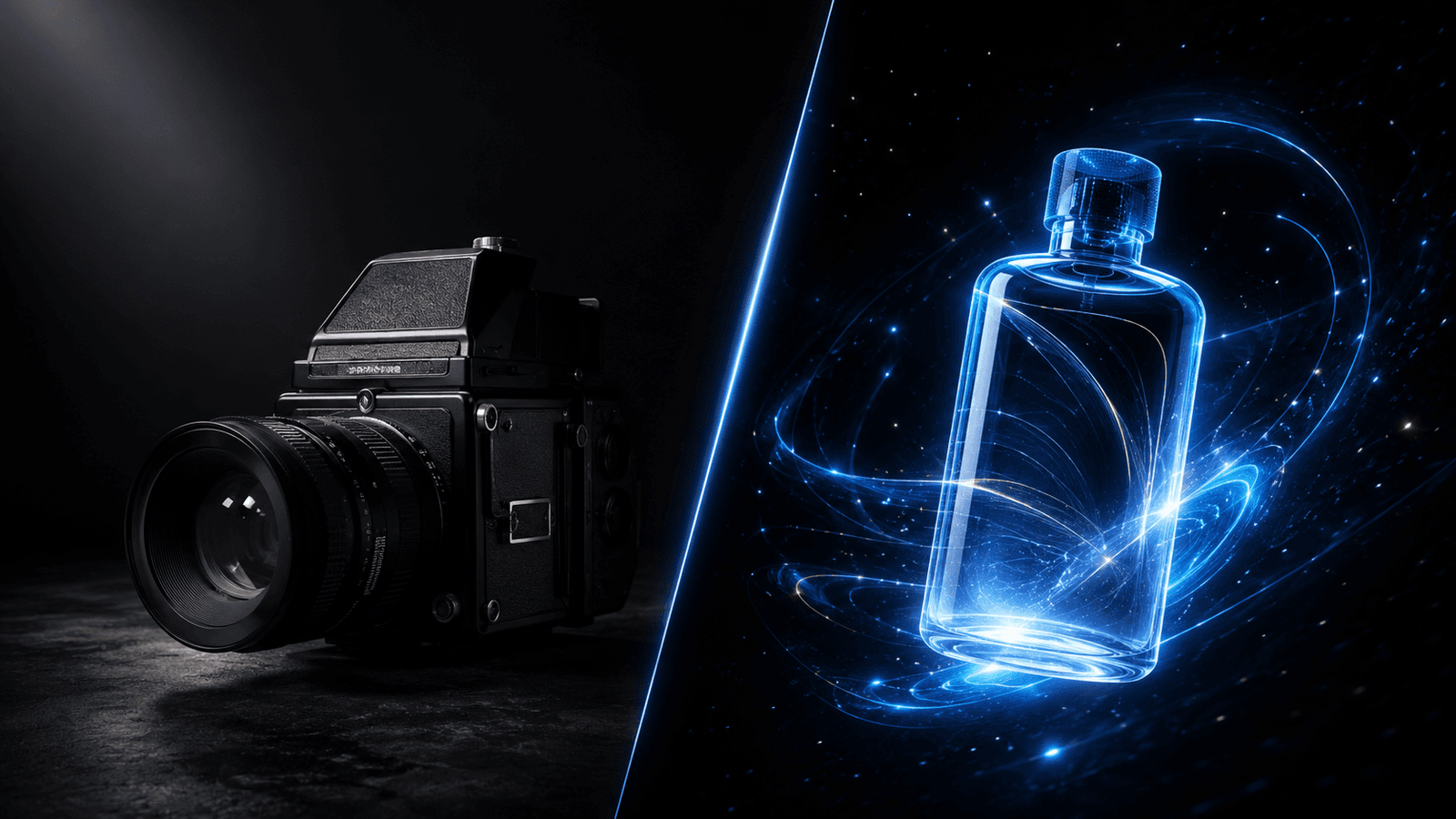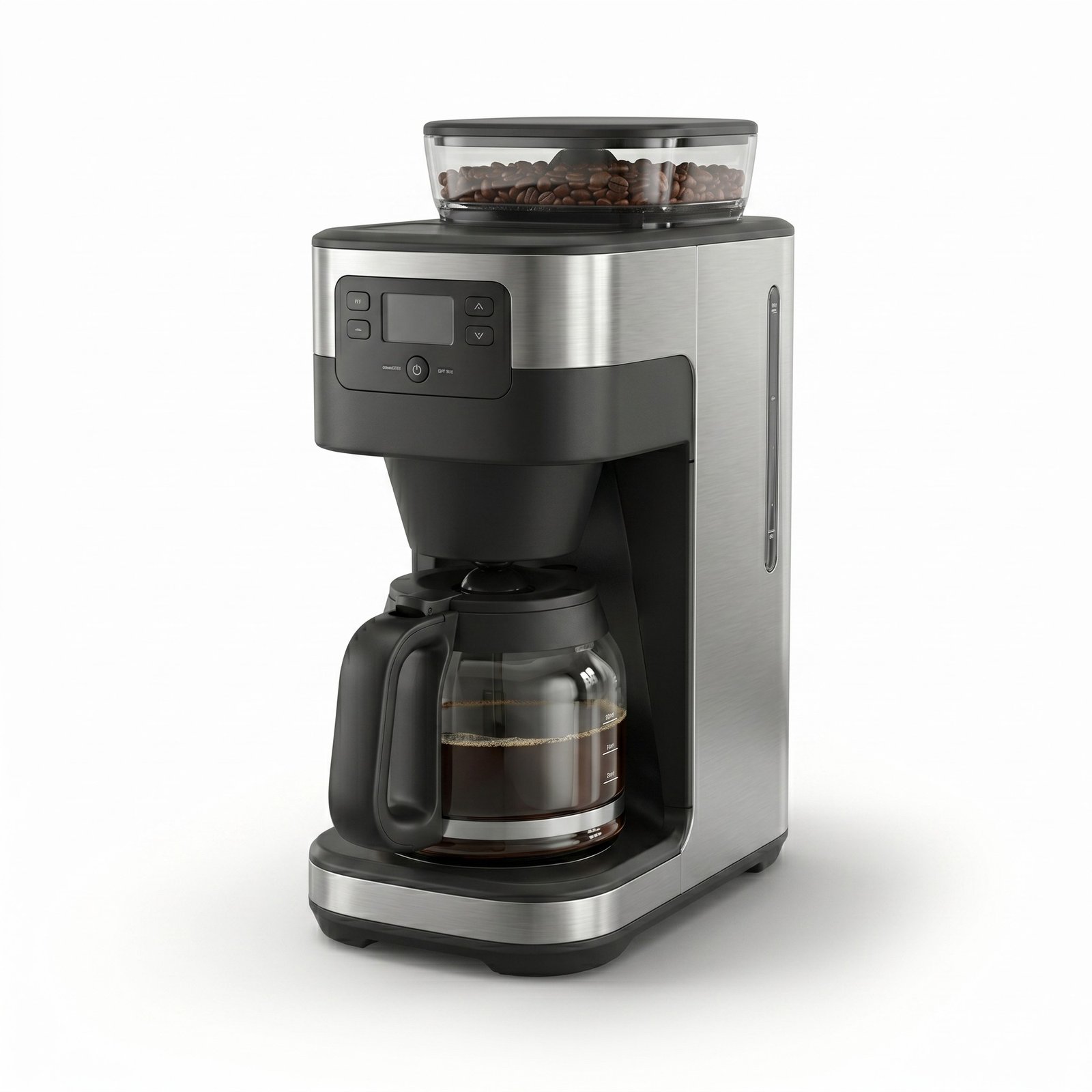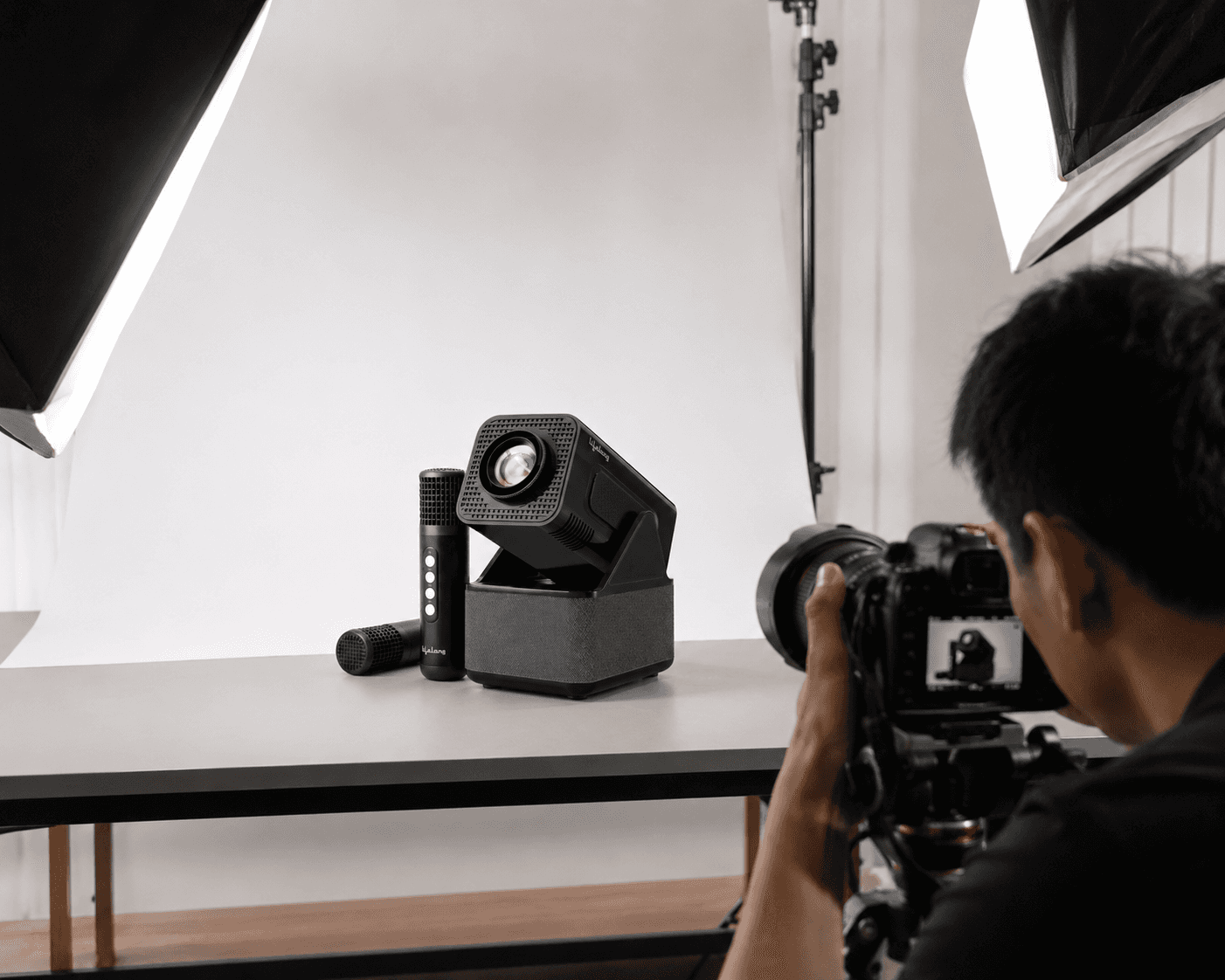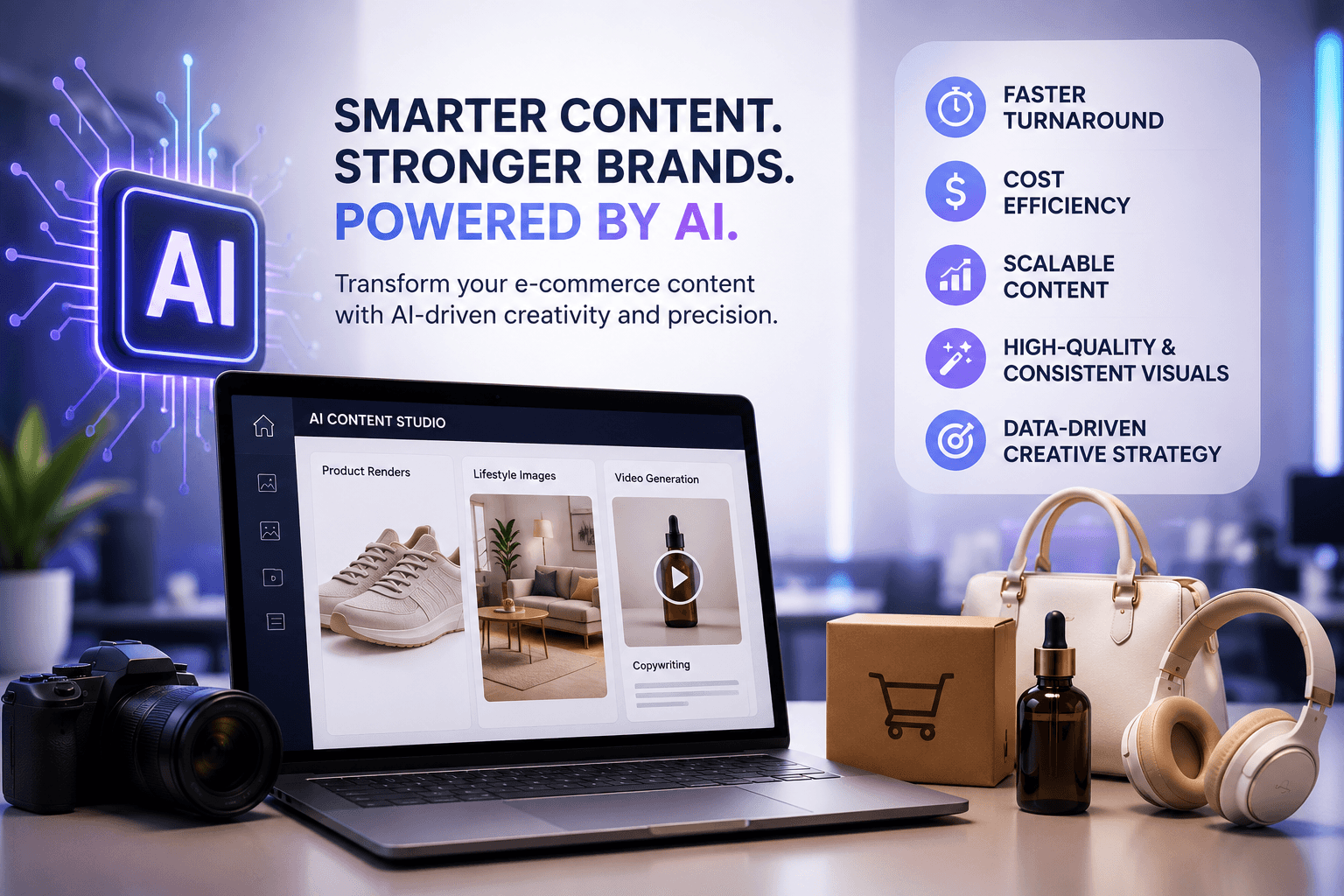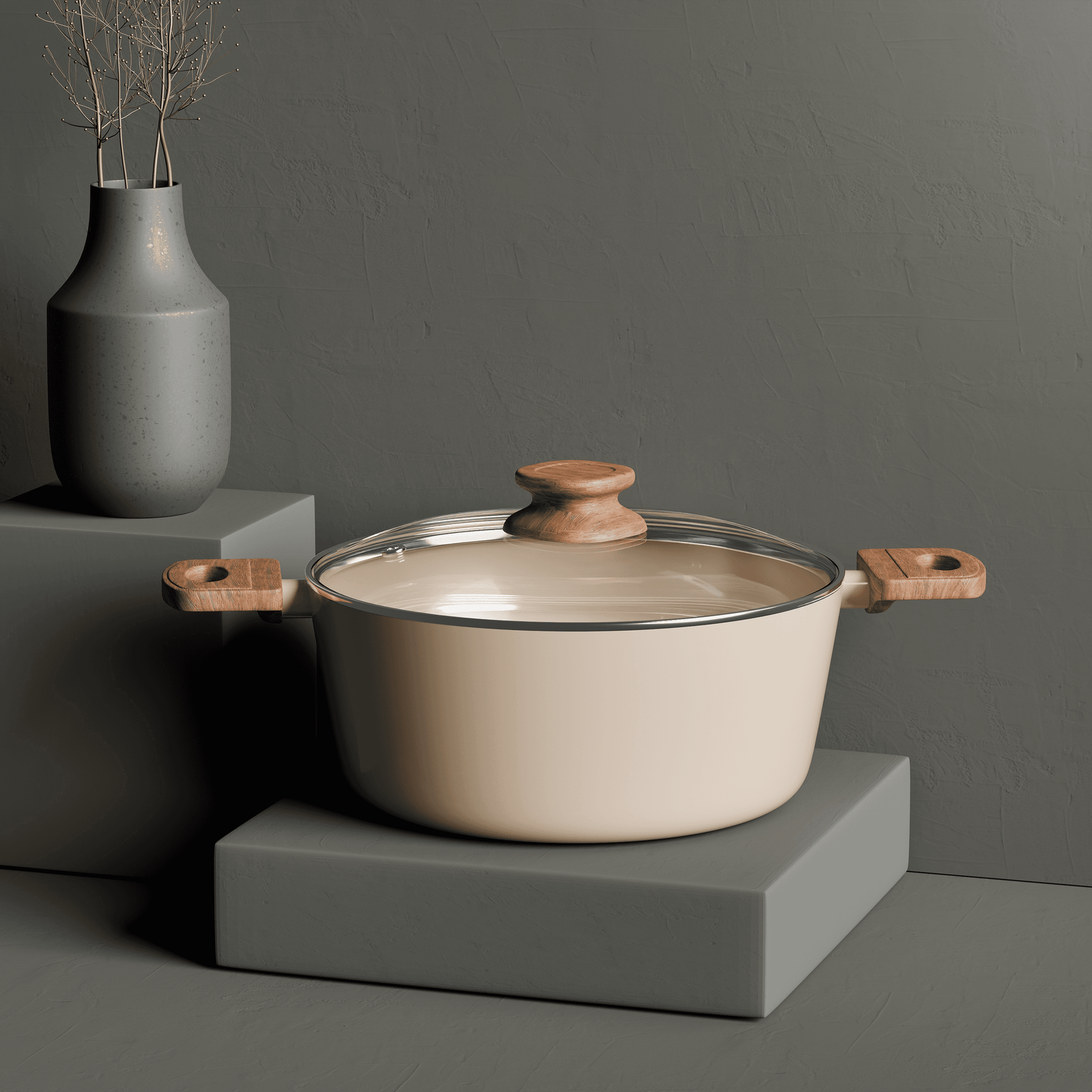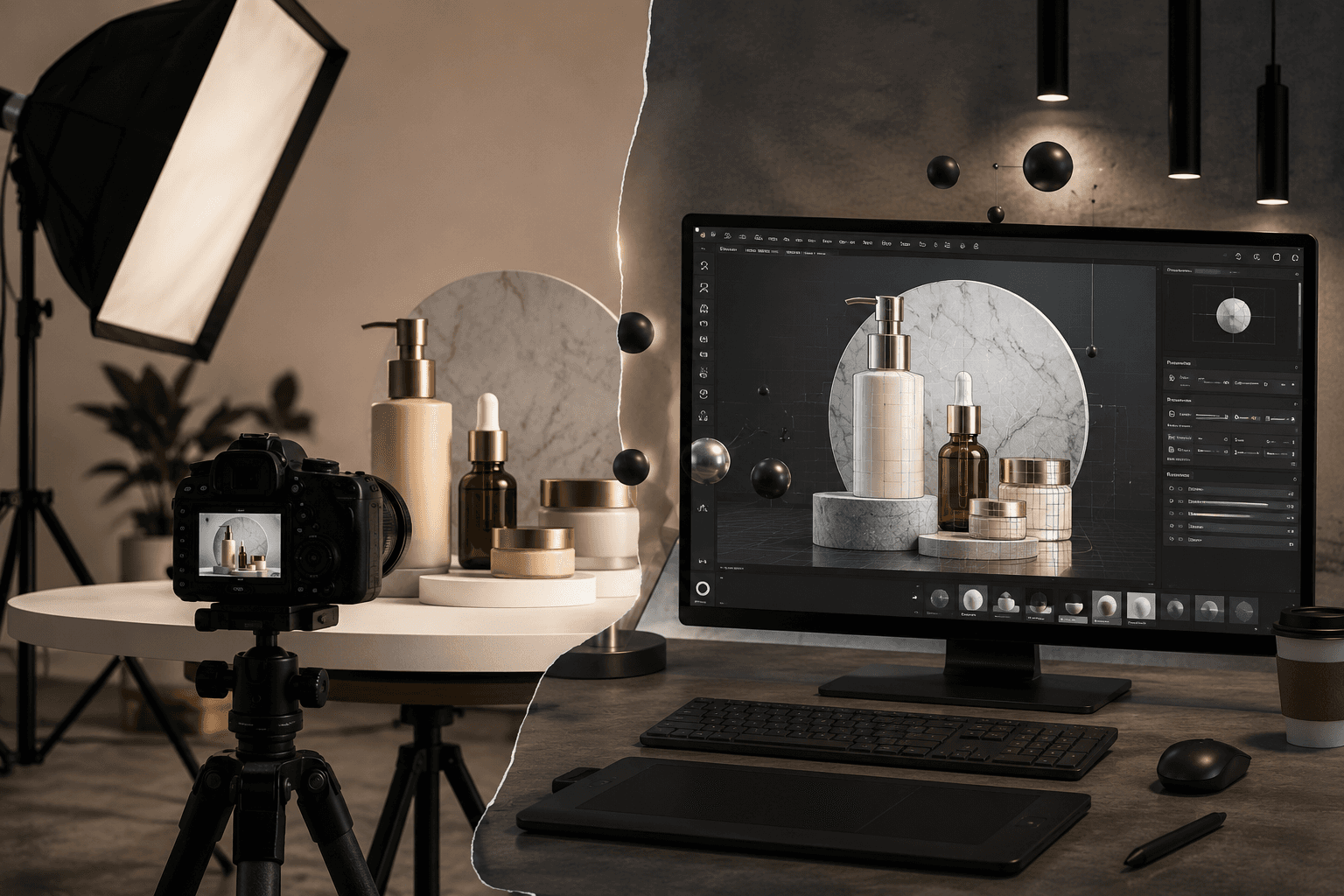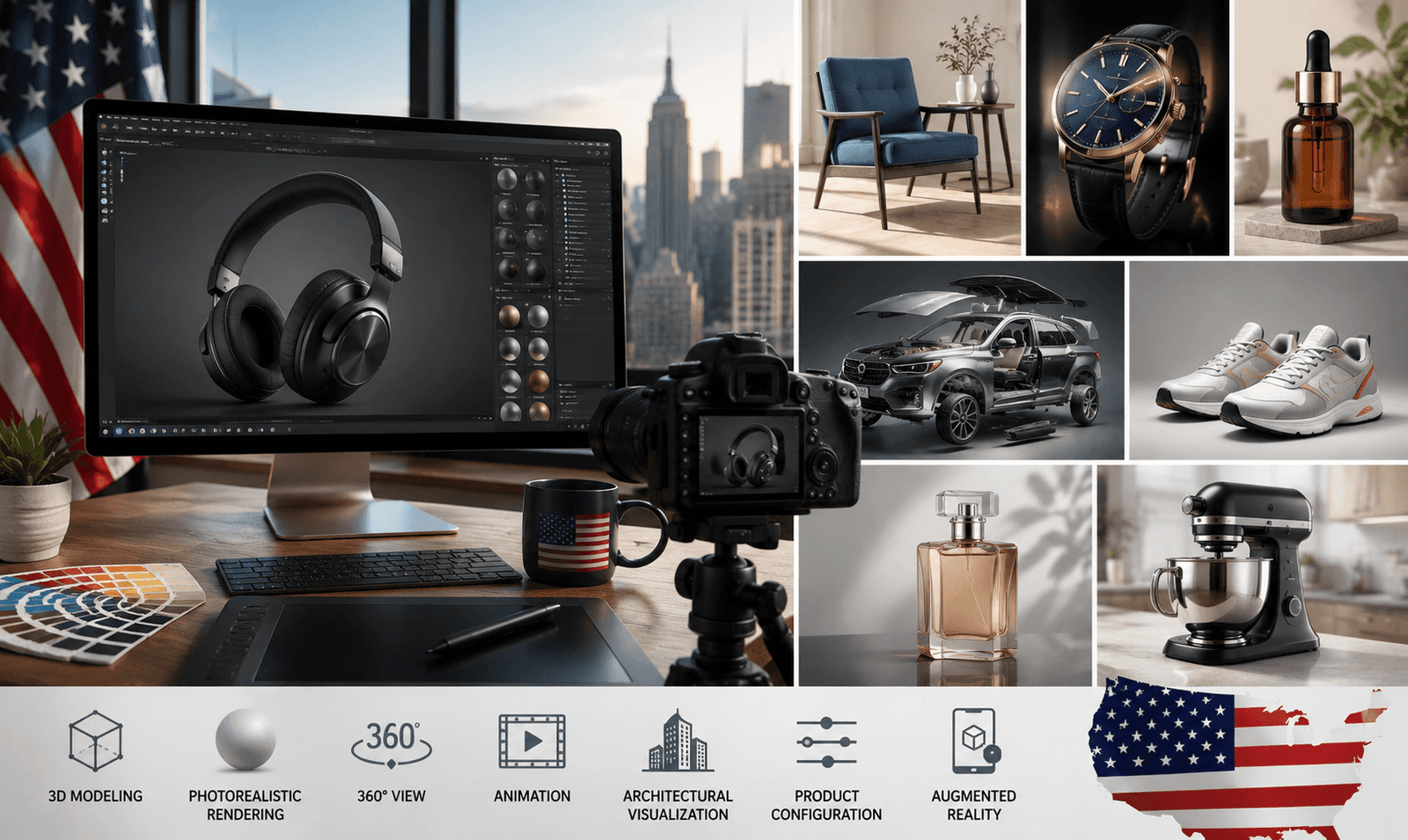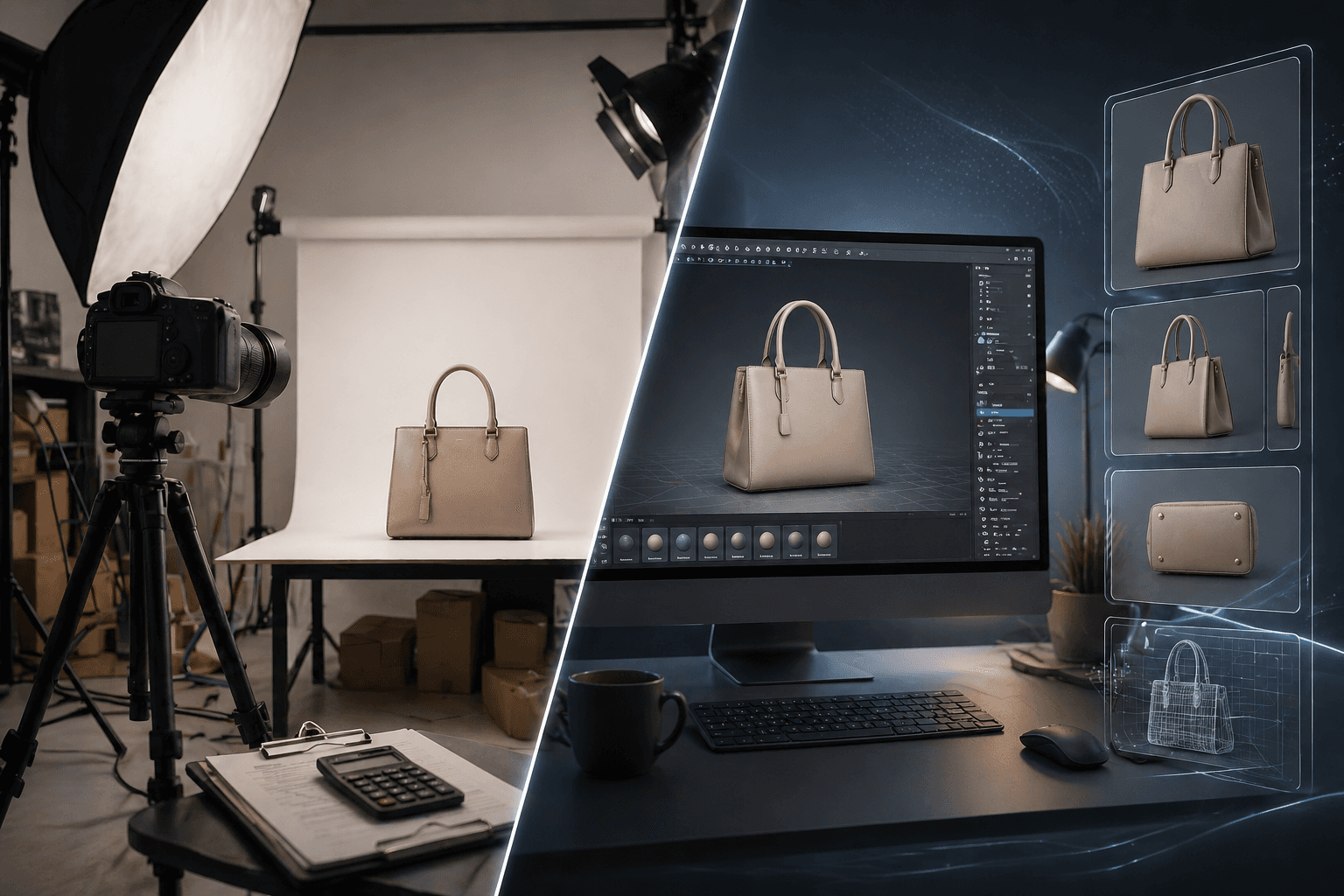

For commercial ecommerce in 2026, the right answer is not CGI or AI. It is CGI-grounded, AI-enhanced production, an accurate 3D model of the product plus AI for backgrounds, mood variations and iteration speed. Pure AI is fast and cheap, but it approximates products; pure CGI is exact but slow to iterate on environments.
What each one actually is
CGI is human-directed 3D production. An artist builds a precise model of the product in Cinema 4D, Blender or Houdini, and every material, light and camera angle is intentional. What renders is what was decided.
AI images come from generative models, Midjourney, DALL-E, Pebblely and similar, trained on billions of images. The output is an interpretation of a text prompt, not a rendering of a real product file. It looks convincing until a customer zooms in on the logo.
Where AI wins
- Concepting speed: ten background variations in minutes rather than a shoot day
- Low-stakes social content: mood stills, story frames, atmospheric backdrops
- Small budgets at early-stage founder level, where phone photography is the alternative
- Environment generation: rooms, weather, atmospheric scenes AI is genuinely good at
Where AI fails, visibly
- Product accuracy: warped logos, distorted label text, invented packaging details
- Consistency across SKUs: each generation is a fresh interpretation, not a re-render
- Materials: glass, liquid and polished metals swing between renders unpredictably
- Marketplace compliance: hallucinated details on an Amazon or Flipkart listing risk suppression
- Pre-launch: AI cannot accurately represent a product that does not yet exist to be trained on
The comparison, straight
Turnaround: AI in minutes to hours, CGI in three to seven business days. Cost per single hero: AI near zero on a subscription, CGI ₹5,000 to ₹25,000. Accuracy: AI inconsistent, CGI exact. Consistency across variants: AI low, CGI perfect. Marketplace compliance: AI risky, CGI reliable.
The metric worth watching is not cost per image. It is cost per converting image. AI wins the first column and CGI wins the second, which is why the honest answer is not a choice.
What good studios actually do
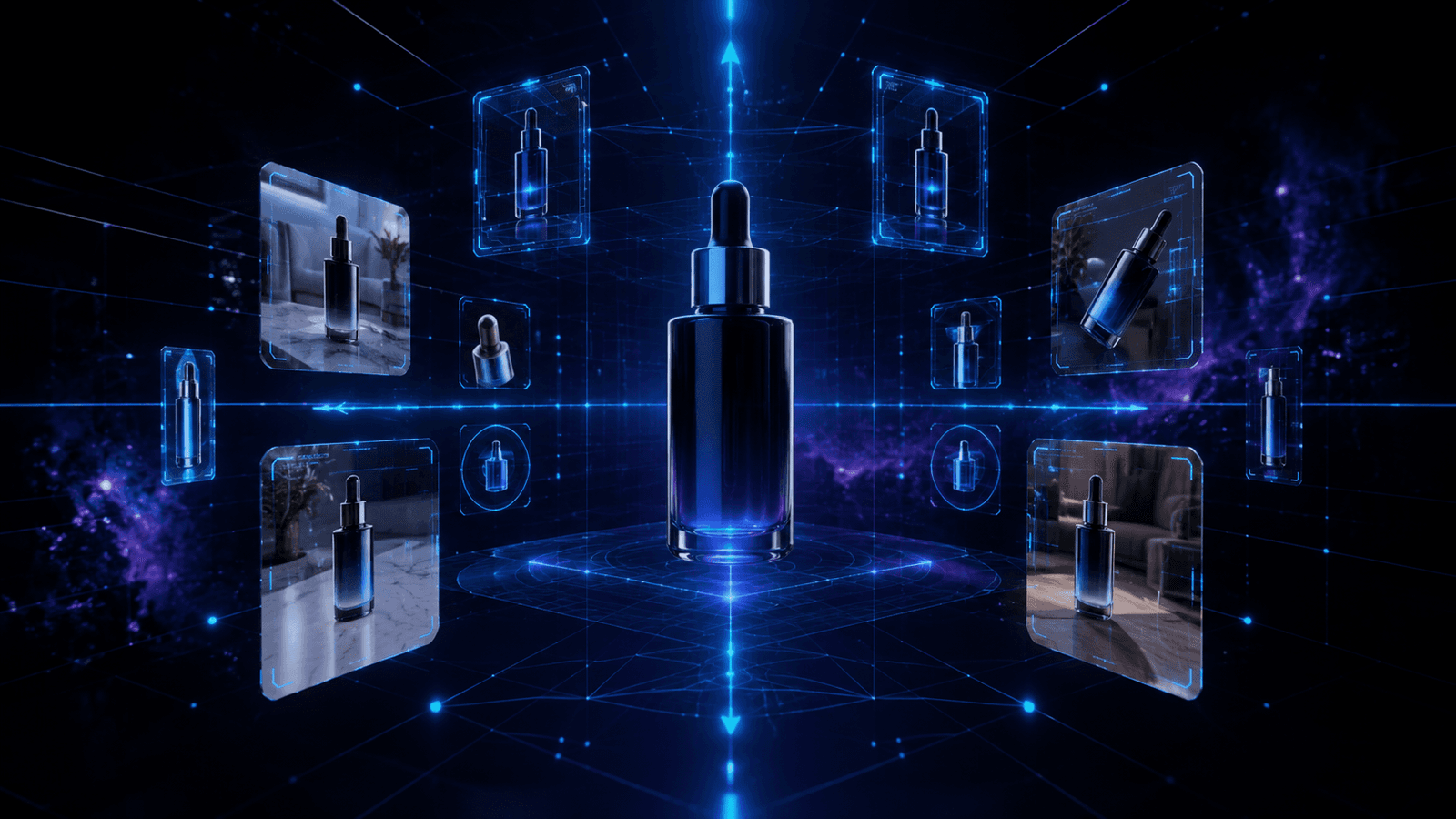
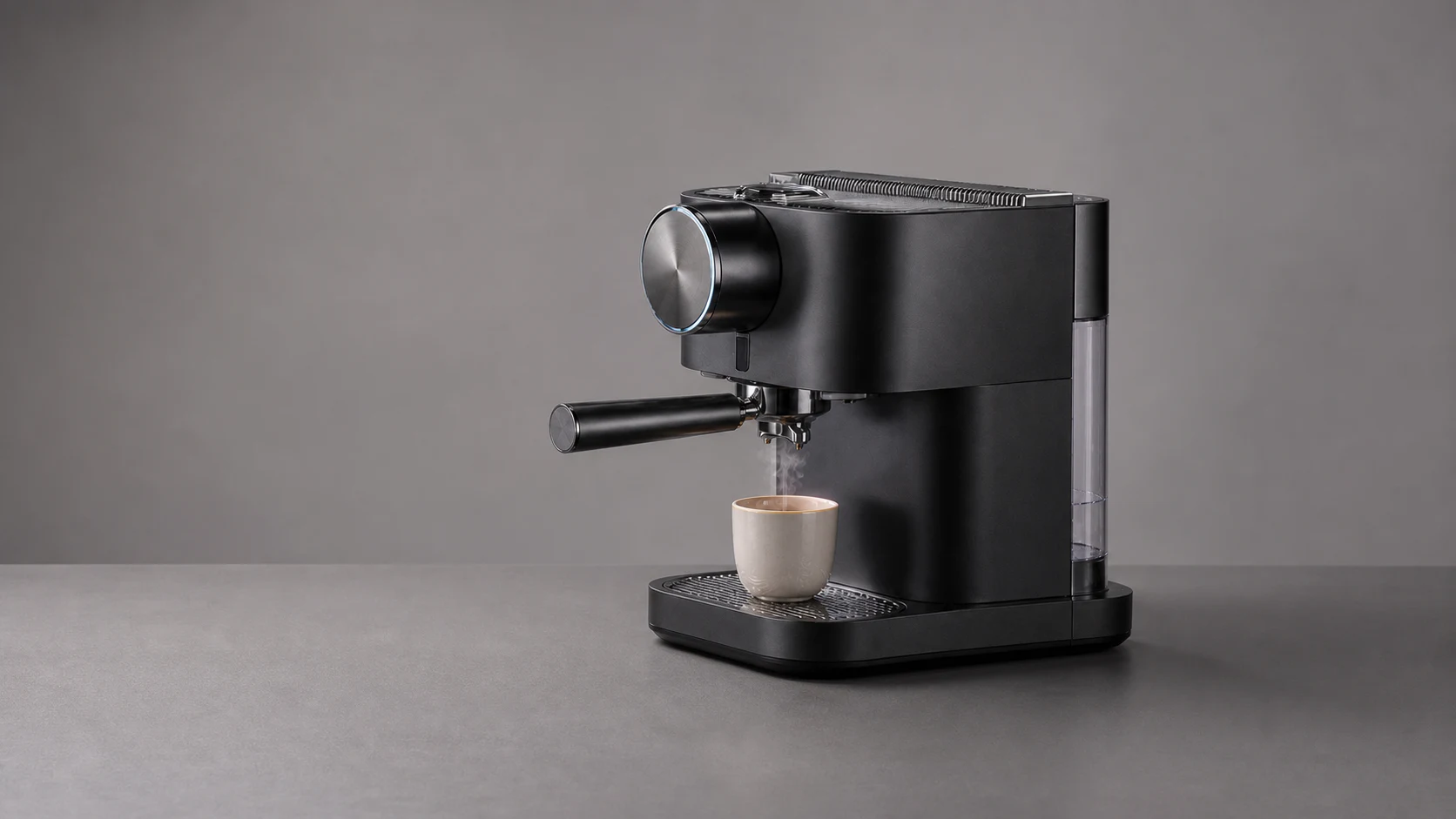
Model the product accurately in 3D first. Get the geometry, the finish and the label right. Then use AI to generate the environments the product sits in, iterate on mood variations, and produce ad variants at volume that a CGI-only pipeline cannot match on speed.
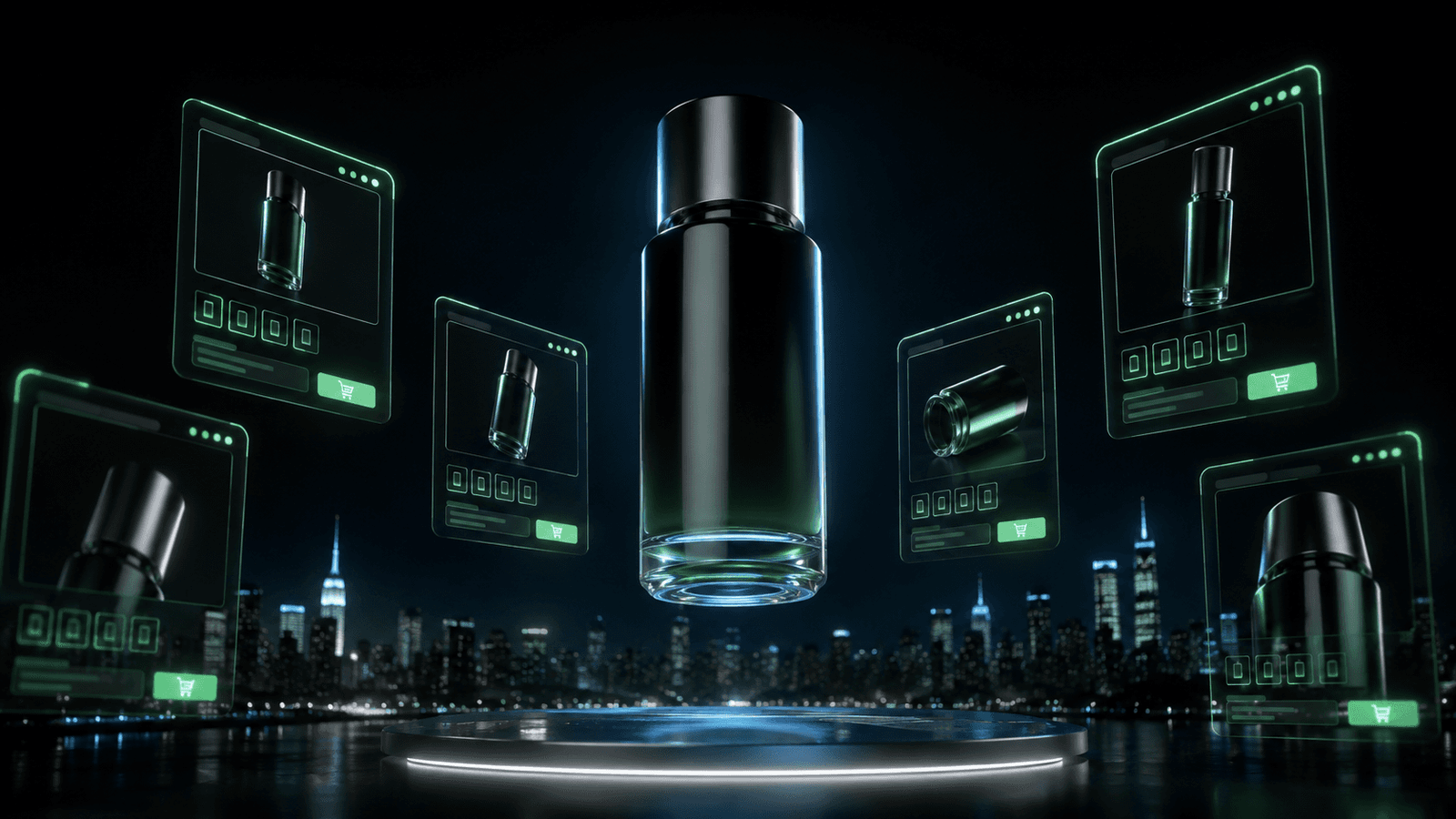
The product is CGI. The world around it is AI. The customer sees photoreal imagery that stays brand-accurate across every variant, every colourway and every campaign.
Which to use, and when
- AI on its own: concept boards, low-stakes social, early-stage founder budgets
- CGI on its own: marketplace listings, launches, anywhere the product itself has to be exact
- CGI + AI together: for everyone else: the accuracy of CGI with the speed and range of AI