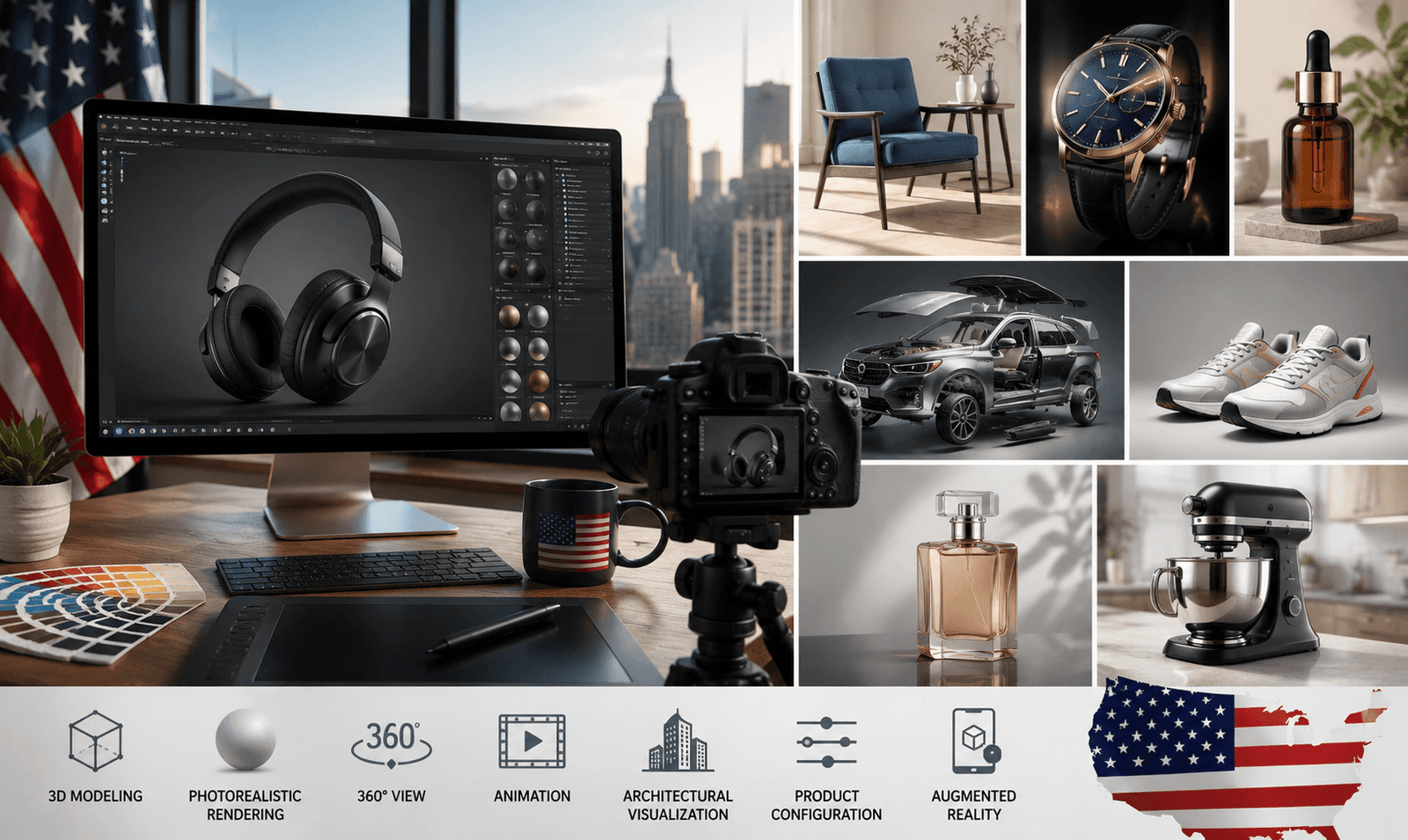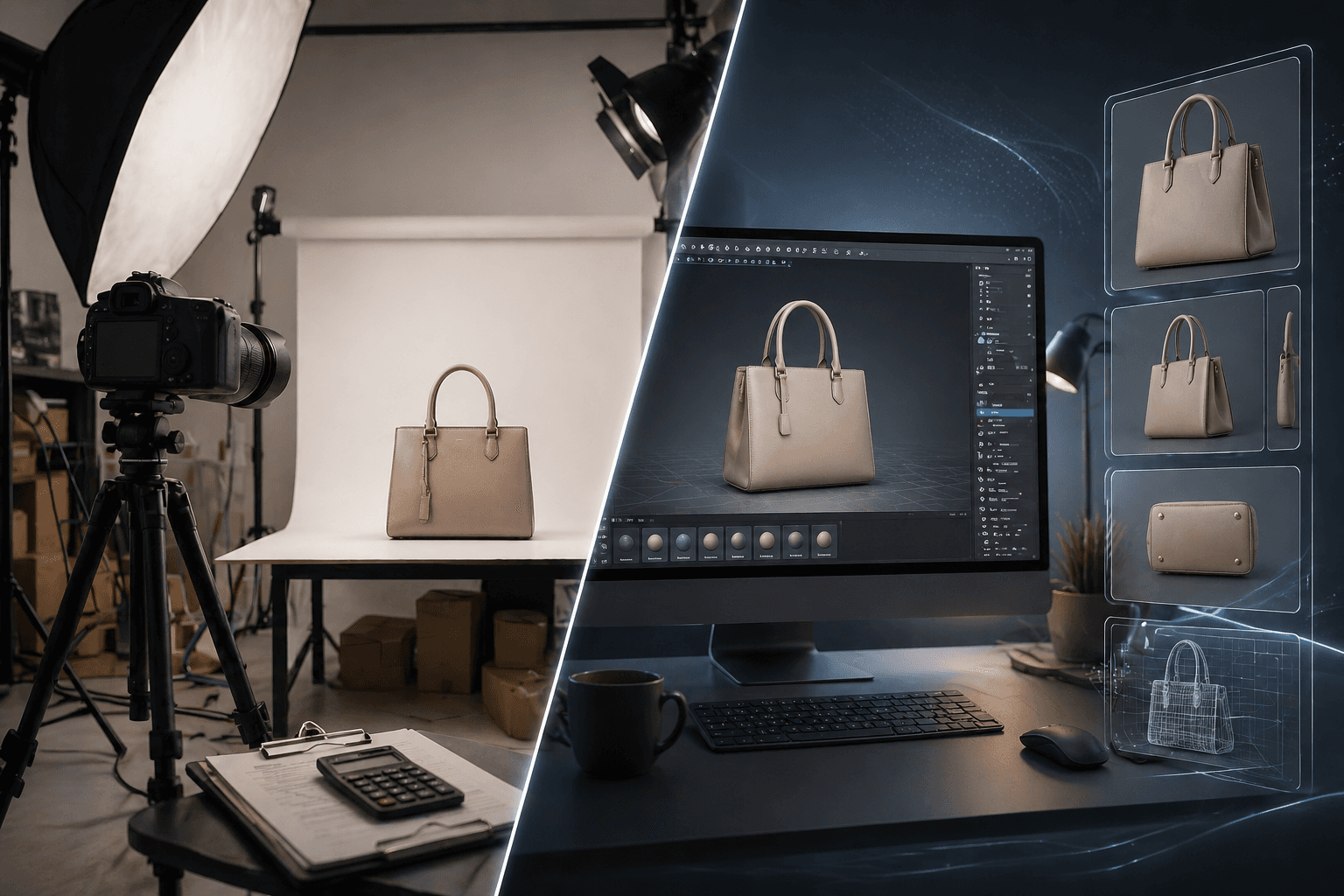
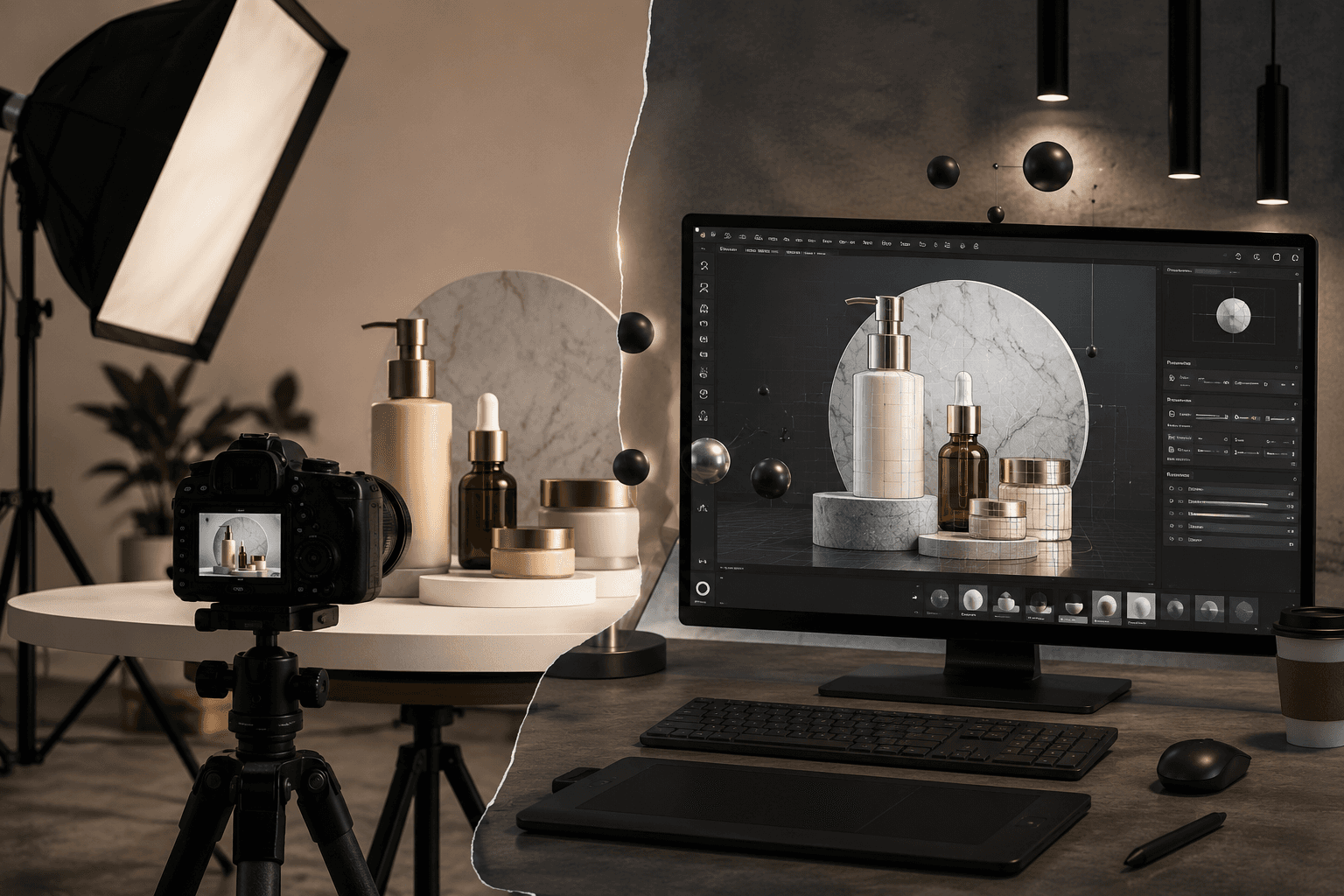
Product rendering beats traditional photography for ecommerce because it separates the cost of an image from the cost of a shoot day. Brands that switch typically save 60 to 70% on visual production inside the first year, ship 7 to 9 images per SKU in 3 to 5 business days rather than 2 to 4 weeks, and stop reshooting every time a label or a colour changes.
1. It cuts production costs by up to 70%
A shoot is priced per day. A render is priced per model, once. Once the 3D asset exists, additional angles, variants and campaigns are near-zero incremental cost, which is why brands report 60 to 70% budget reductions in the first year of the switch.
2. Turnaround compresses from weeks to days
Traditional catalogue photography moves at 2 to 4 weeks per SKU set once sample shipping, studio booking, shoot day and post are counted. Rendering delivers the same 7 to 9 images per SKU in 3 to 5 business days from brief sign-off, with rush timelines available on top of that.
3. Creative flexibility stops depending on physical constraints
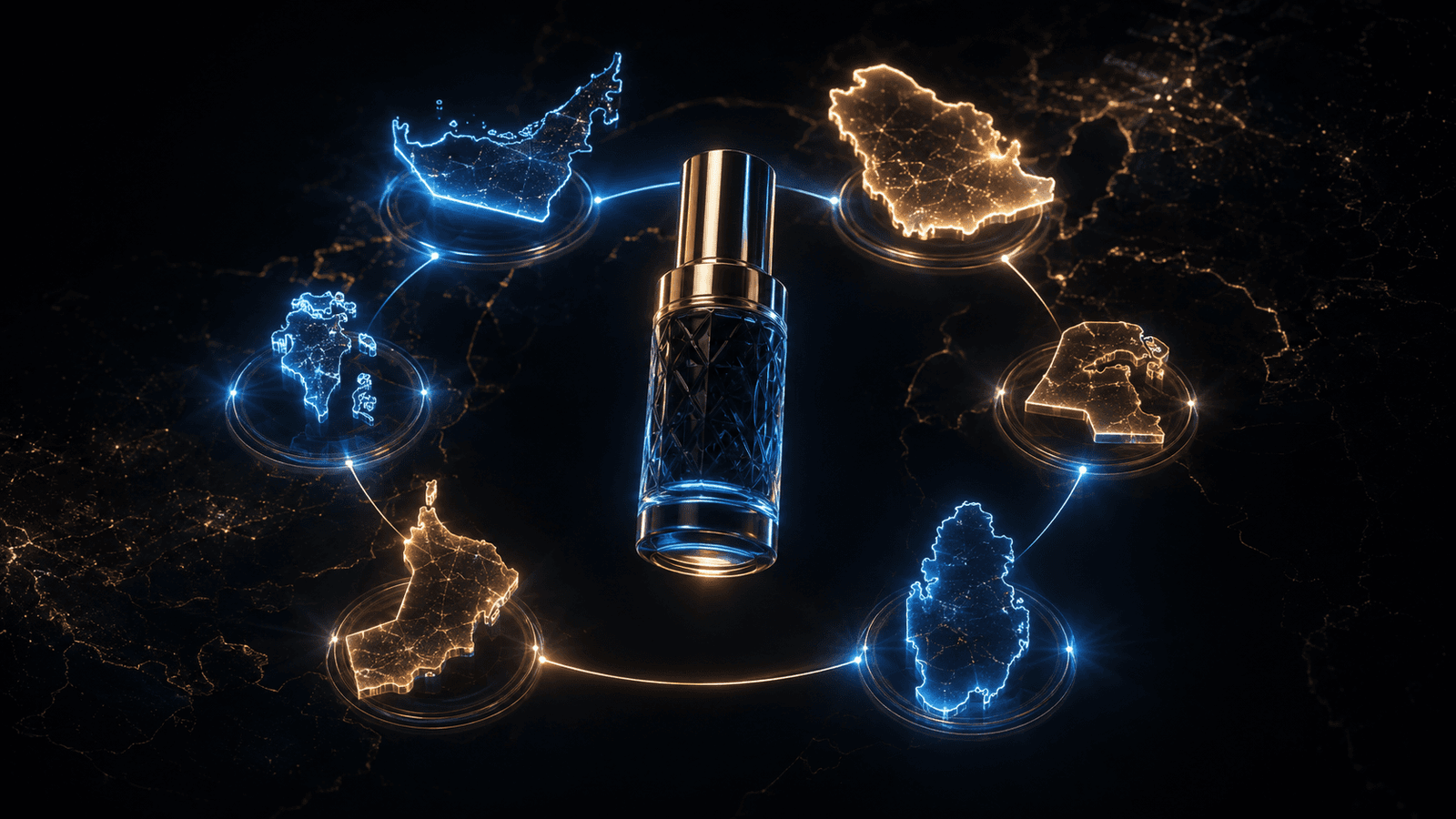
A Scandinavian kitchen and a Dubai sunset are the same file with different lighting. Seasonal campaigns and A/B tests become editing jobs, not location scouts, because the set is virtual.
4. Every SKU is lit and framed on the same rig
Consistency across a catalogue is itself a trust signal, and it is the thing photography quietly fails at. In a rendered catalogue every SKU inherits the same lighting, angles and quality setup, so the range starts reading as a range rather than as ten independent shoots.
5. The catalogue scales without more shoots
New colour, new size, new packaging print, all file changes. Visual catalogue growth stops tracking against photography spend, which is the single biggest reason large catalogue brands migrate.
6. Platform-ready outputs from the first delivery
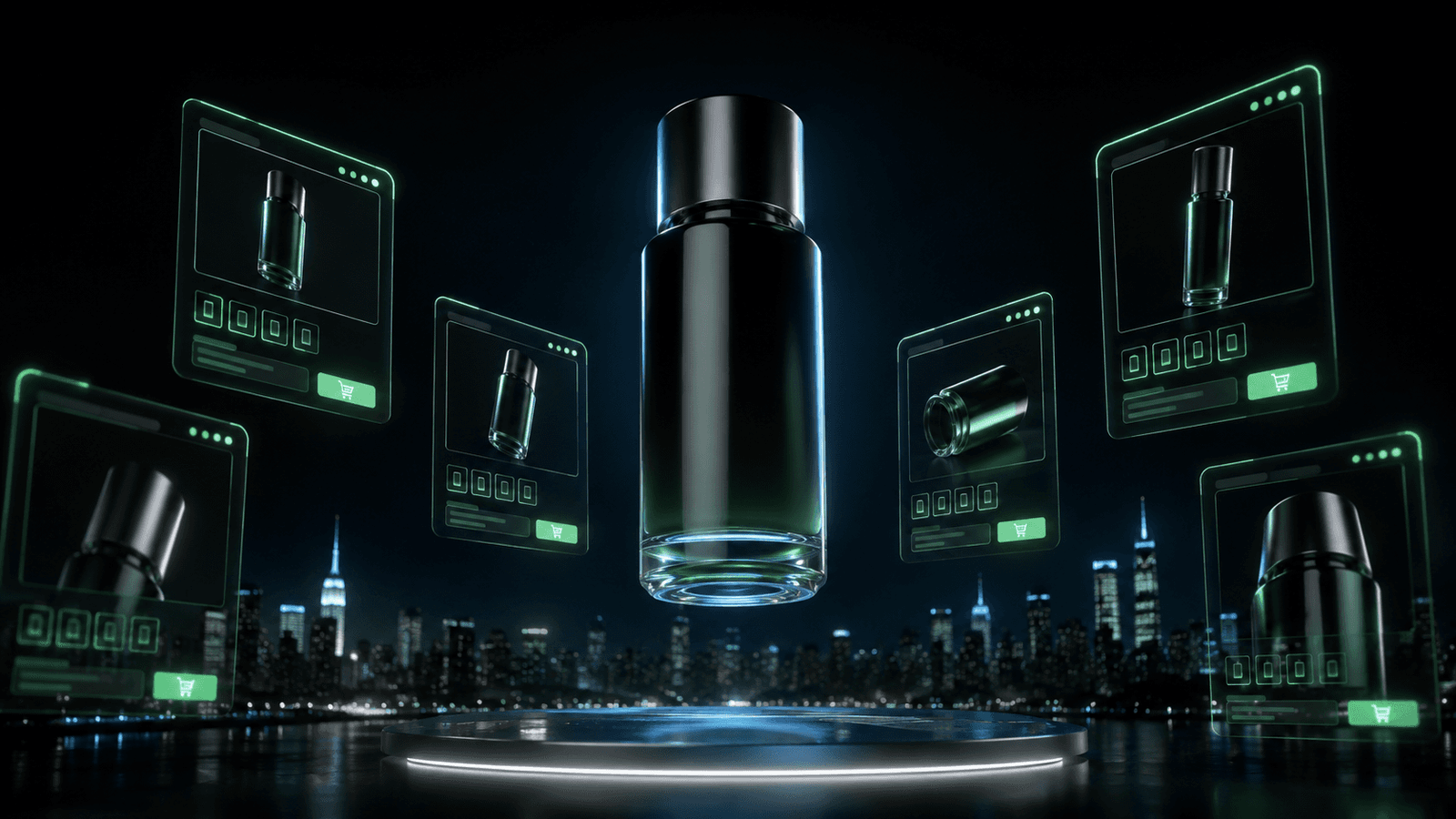
Amazon-compliant dimensions, correct RGB profiles, mobile and desktop optimisations and marketplace file formats are configured in the render pipeline rather than fixed in post. First delivery is already listing-ready, not a set of raws that need a compliance pass.
7. The same asset powers AR and 360-degree views
The 3D model that produced the hero image is the same model that powers an AR try-on or a 360-degree viewer on the PDP. A photography pipeline cannot produce interactive assets at all; a rendering pipeline gets them almost for free.
8. You do not need a finished product
CAD files, technical drawings or a detailed brief are enough to model from. That is what makes it possible to build complete Amazon listing image stacks for products still in manufacturing, which turns launch marketing from a post-manufacture scramble into pre-launch demand generation.
9. Iteration and version control become cheap
Background swaps, position changes, lighting variants and angle tweaks are file changes rather than reshoots. This is what actually enables A/B testing on product imagery, because the cost per variant drops far enough that testing pays off before the test finishes.
10. It moves the conversion numbers, not just the production numbers
Amazon's own data shows A+ content can lift conversion by up to 8%, and higher-fidelity lifestyle imagery is what makes A+ content actually work. The rendering ROI is measured against sales lift per production dollar, not against per-image cost in isolation.
Where traditional photography is still the right tool
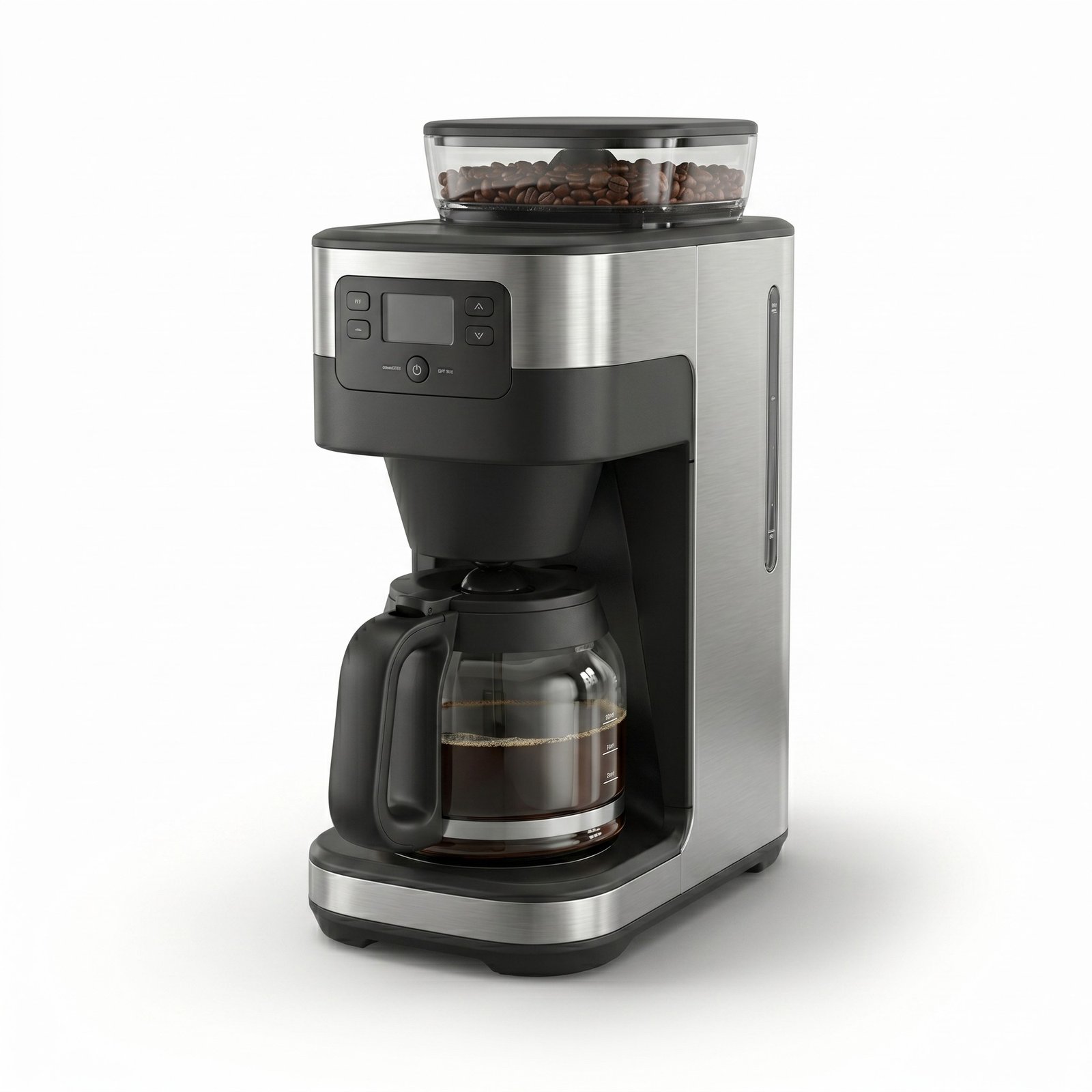
It is worth being straight about this. On-model apparel with real fabric drape, food where appetite appeal depends on real texture, handmade products, and editorial lifestyle with real human moments still favour photography. Rendering wins hardest where the product is a physical object whose material, finish and detail have to be exact, which is most ecommerce, but not all of it.