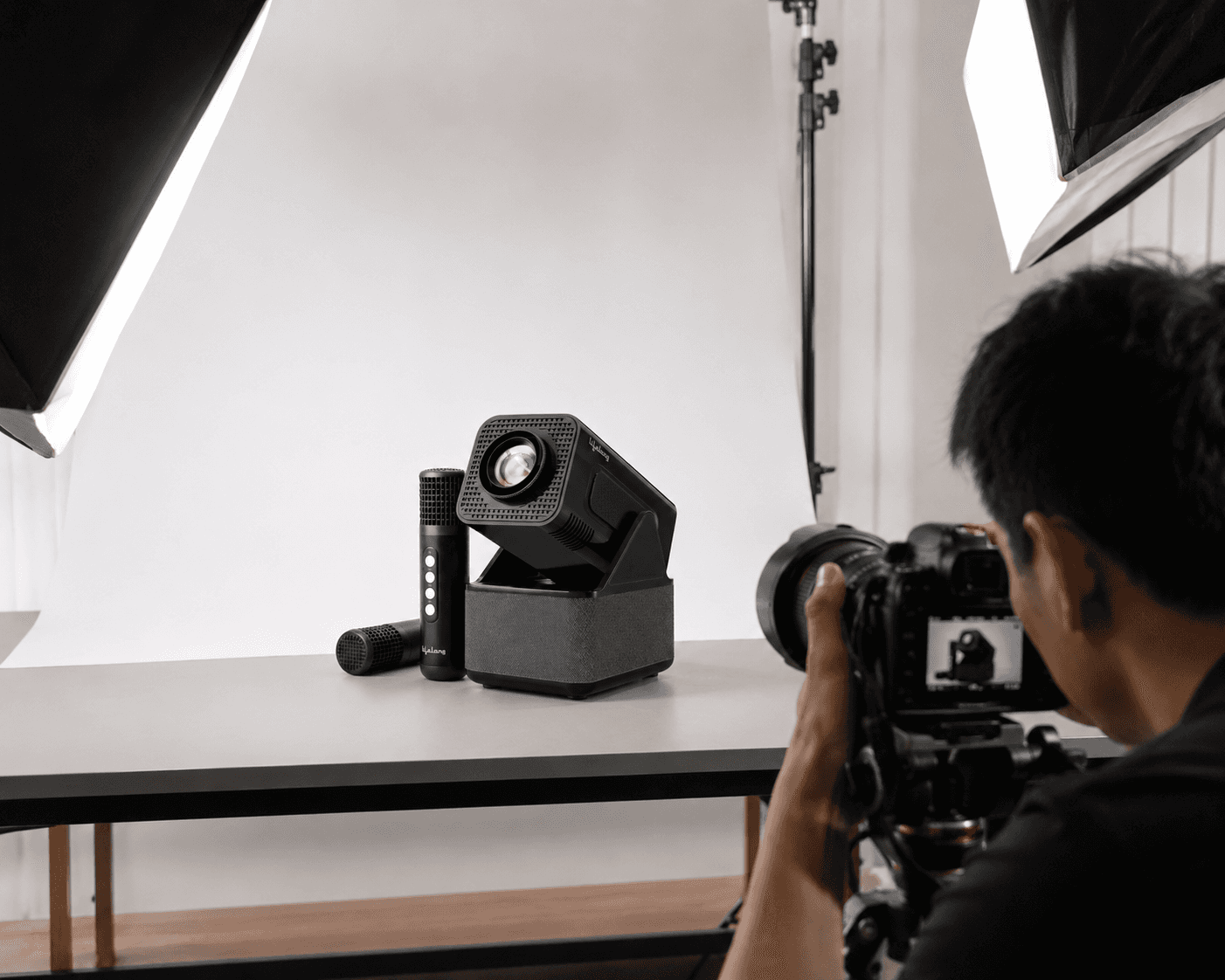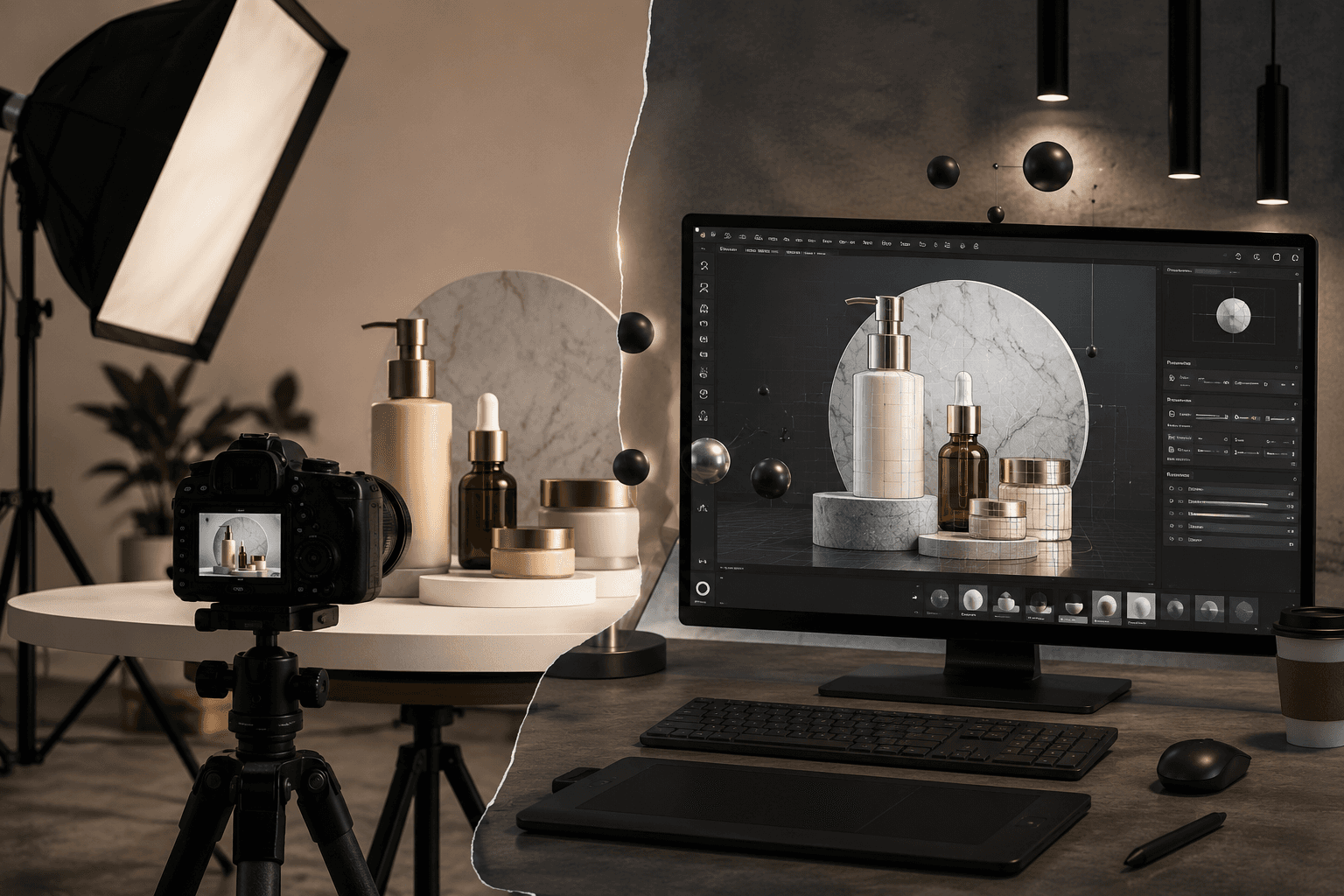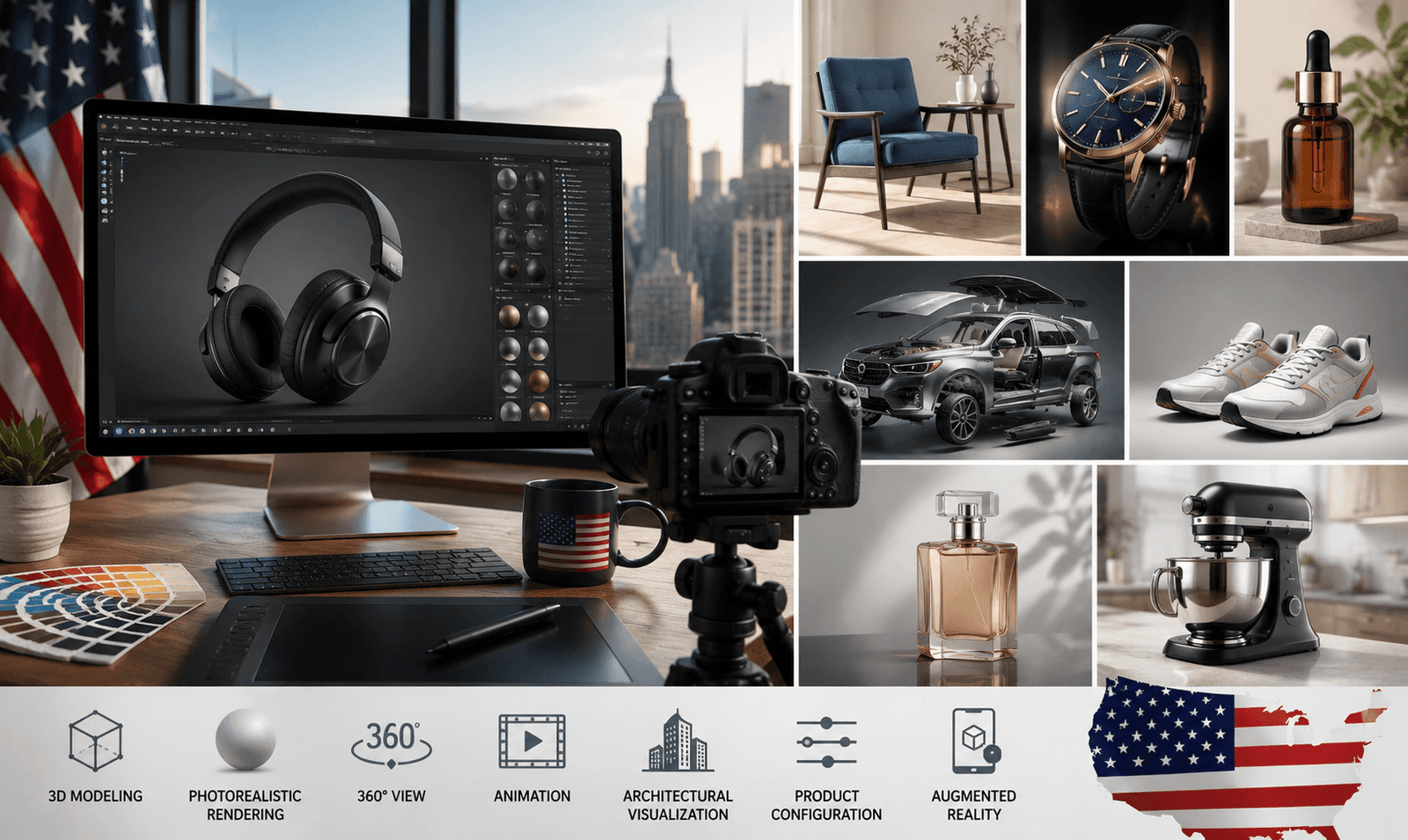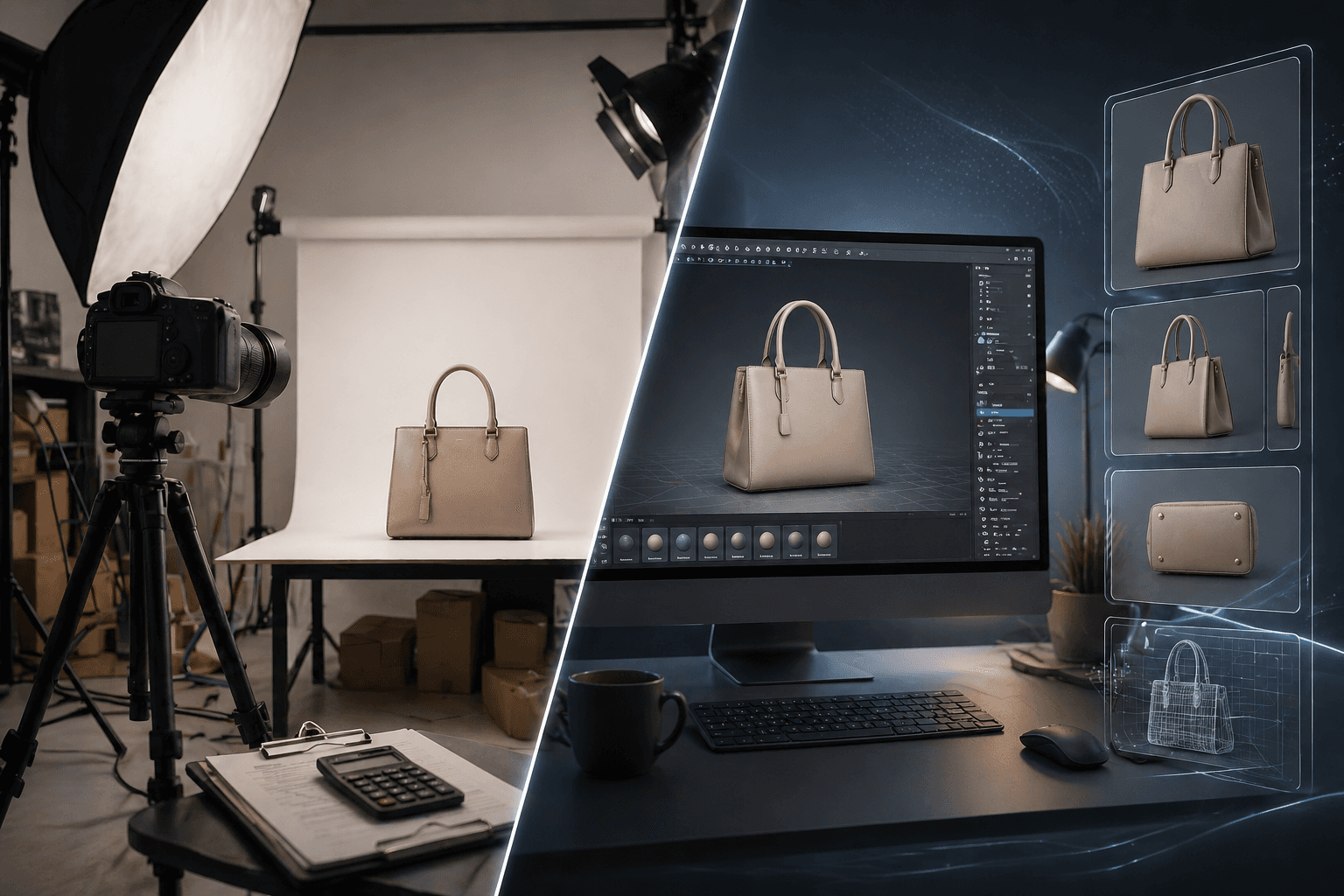

The clearest sign a brand has outgrown photography is that images have become the bottleneck: launches slip because of them, budget disappears into them, and the catalogue no longer looks like it belongs to one company. These are ten of those signs, in the order they usually appear.
1. Product launches slip because images are late
A traditional shoot needs 1 to 2 weeks to schedule, the shoot day itself, then 1 to 2 weeks of post. That is 3 to 4 weeks between deciding a product is ready and having a listing that can go live. A CGI pipeline turns the same package in 3 to 5 business days, which puts launch dates back under the brand's control.
2. Photography is eating the marketing budget
Every new product, colour and season means booking the studio again, and none of the previous spend compounds. At catalogue scale a CGI pipeline typically runs 60 to 70% cheaper, because the model built for the first image works for the next hundred.
3. The catalogue looks like it was shot by ten different studios
It probably was. Different photographers, different rooms, different lighting rigs and different retouch styles show up as subtle white balance and shadow drift across the range. Renders off one master rig hold pixel-level consistency across every image, which reads as a coherent brand instead of a collage.
4. Only the hero colourway made it to the listing
If a photoshoot decides which variants make the site because the others were too expensive to shoot, the catalogue is incomplete on paper. Material swaps in CGI make each variant a small software cost, so every colour, finish and configuration can be represented.
5. Competitor listings visibly look better
Better images buy higher click-through and higher conversion, which buys better ranking, which buys more traffic. The gap compounds. Smaller brands close it fastest by moving to CGI, because the quality that used to require a large studio budget is now a rendering pipeline.
6. No A+ content because it was priced out
Amazon's own data shows A+ content lifts conversion by up to 8%, which is not a soft benefit. The reason many catalogues skip it is production cost: multiple set-ups, layouts and design passes. CGI builds A+ modules from the same source model, so the incremental cost is a fraction of a fresh shoot.
7. Returns are higher than they should be
The most quoted reason for a return is that the product looked different in the image. Cameras drift on colour, scale and material every shoot. Renders built on the actual dimensions and physically accurate materials remove that mismatch, and each avoided return protects the margin the sale earned.
8. There is no video or animation content anywhere
Video production costs more and takes longer than photography, so most catalogues have none. Yet Amazon listing videos convert and paid platforms prefer video creative. CGI animation off an existing model costs a fraction of dedicated video production, which is how catalogue videos actually start existing.
9. Nothing can be created before the product is manufactured
Photography needs a physical sample in a room. With a 12-week manufacturing lead time, that means launch day is the earliest a listing can start earning history. CGI works from CAD files and drawings, so listings, ads and organic traffic can be built while the product is still in a factory.
10. Visual production cannot keep up with the roadmap
Photography scales linearly: every new SKU, every variant, every season costs the same as the last. A CGI library gets cheaper per new asset as it grows, which is the only way visual production keeps pace with a growing brand.
Where photography is still the right call
Human editorial moments, documentary environments and one-off images that will never need to be reissued still belong on a shoot. The signs above are the shape of a catalogue outgrowing that model, not an argument that cameras stopped working.