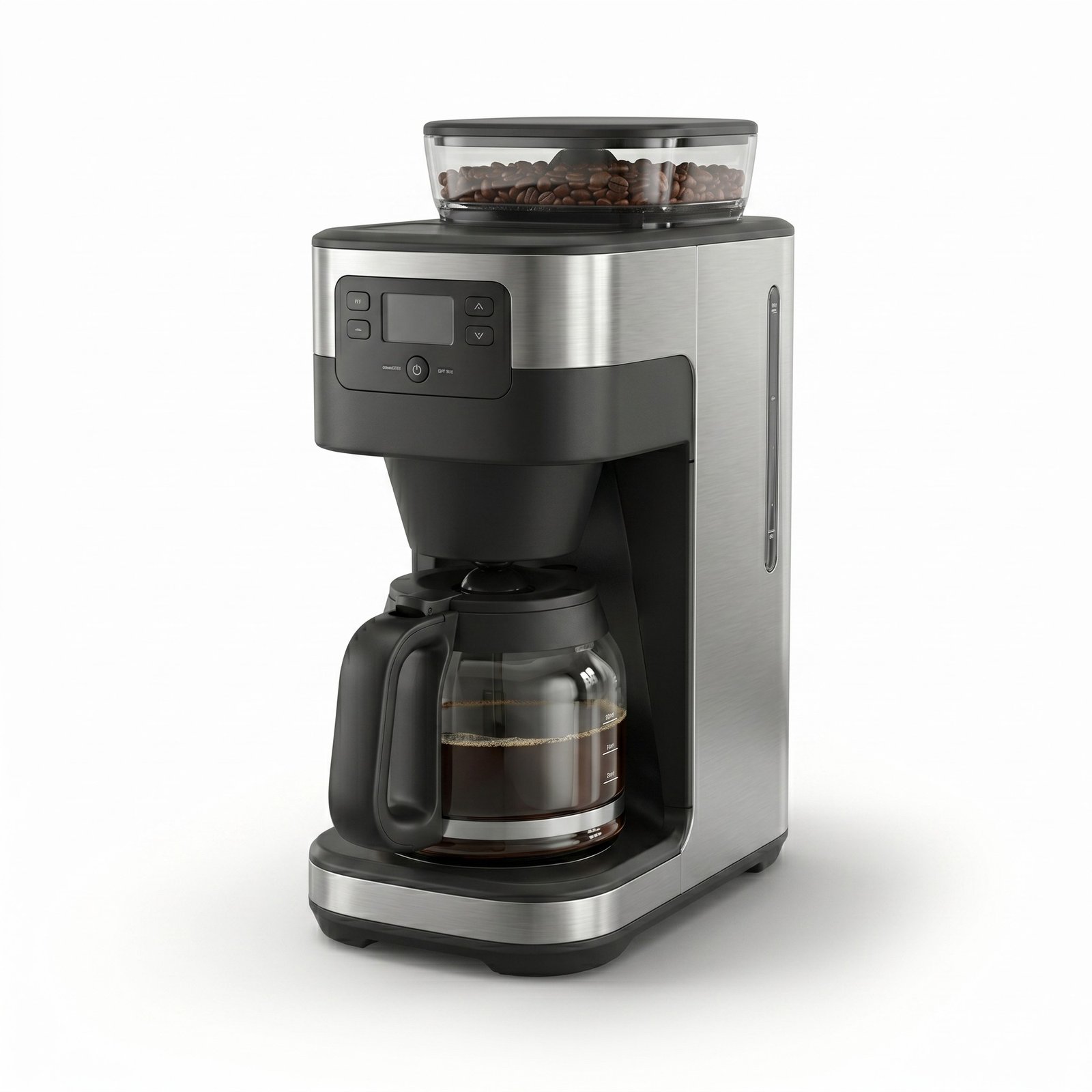
Not dead, but sliding. Static product listings still convert today, and will for years. What changes with Google Omni and Gemini Live is that a flat JPEG becomes the least visible format inside AI-driven shopping, because the interface cannot rotate it, place it in a room or answer a question about it with any confidence.
What Omni and Gemini Live actually changed
Two structural shifts, both material. First, shopping became conversational. Instead of typing keywords and scrolling results, buyers describe what they want in natural language. The AI asks follow-ups and assembles a custom answer with interactive elements built in real time. Google's Universal Cart follows the shopper across Search, YouTube and Gmail, sometimes comparing your product without ever landing on your page.
Second, search went multimodal and live. Gemini Live lets a shopper point a camera at a product or a room and have a conversation about it. The question is no longer whether the page ranks. It is whether the AI can understand the product well enough to represent it, place it, rotate it and talk about it confidently.
Why a flat JPEG cannot keep up
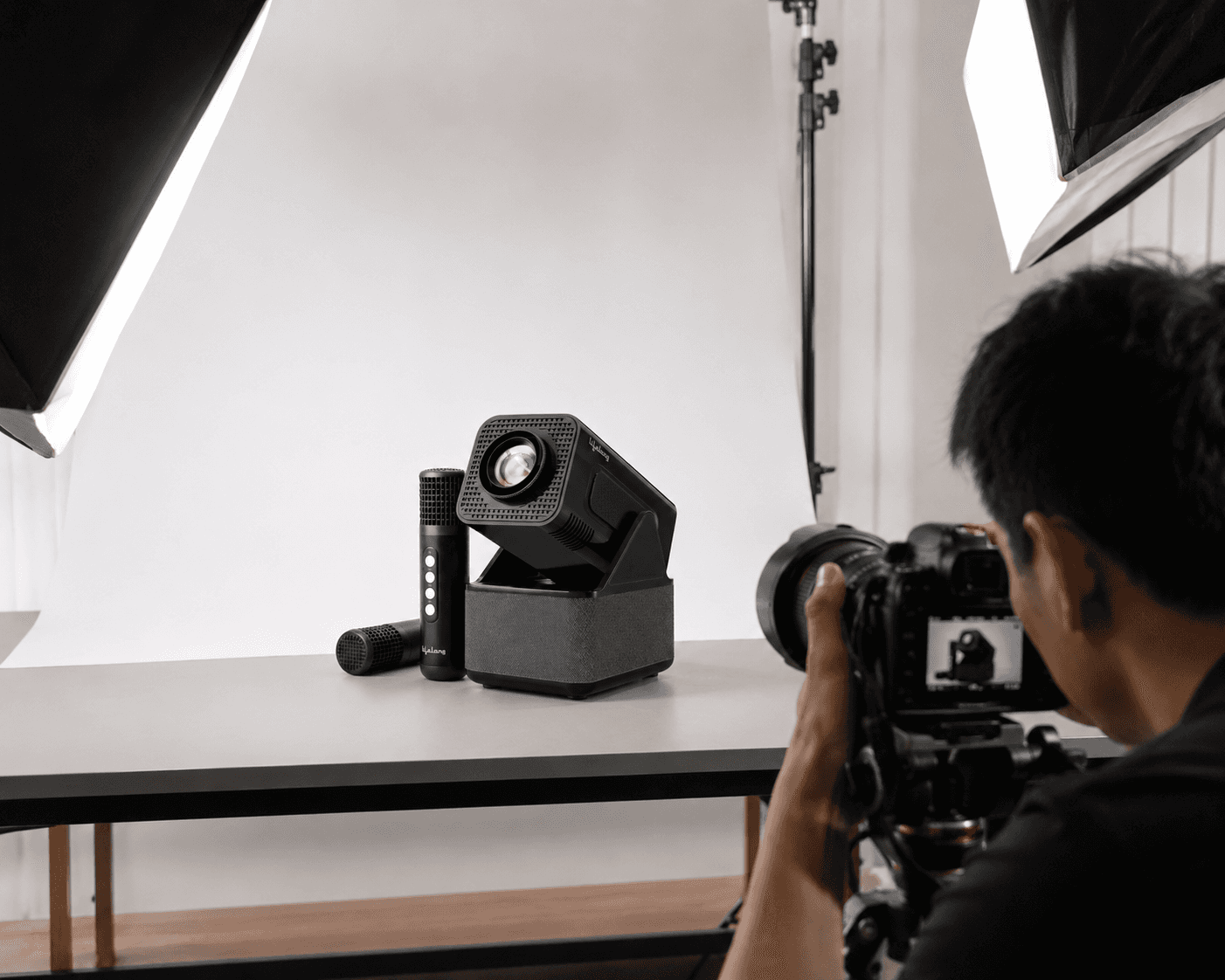
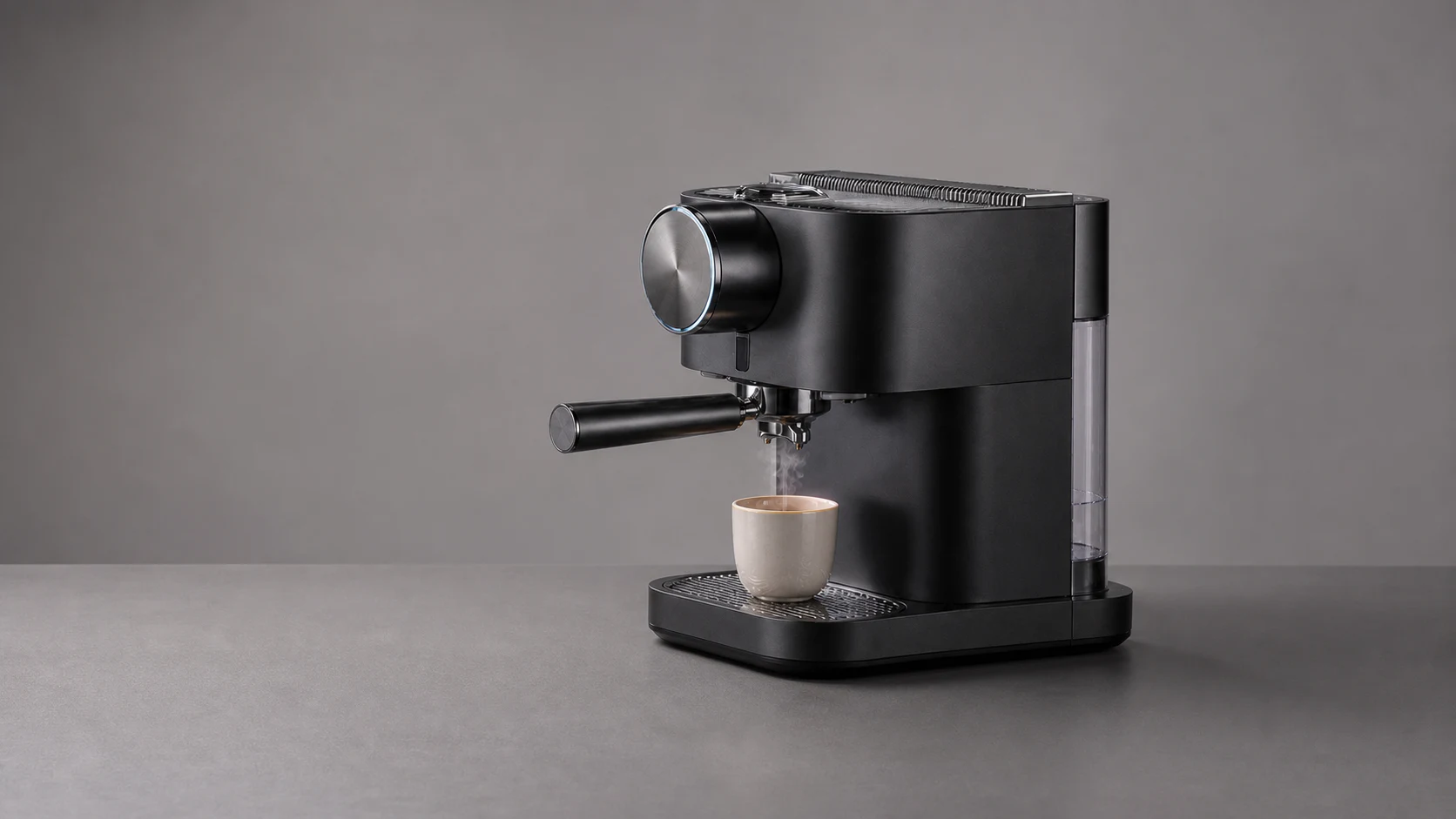
A photograph is a single frozen view. The interface cannot rotate it, cannot place it into the shopper's environment at correct scale, cannot relight it for a different scene, and cannot answer a question about an angle it does not have.
Push a 2D photo into an AR or 3D viewer and it appears as a thin, depthless projection, no geometry, no lighting. The industry has moved from thinking of 3D assets as a feature on the page to treating them as the storefront. No 3D asset means nothing for the new interface to display.
The 3D master asset, in one line
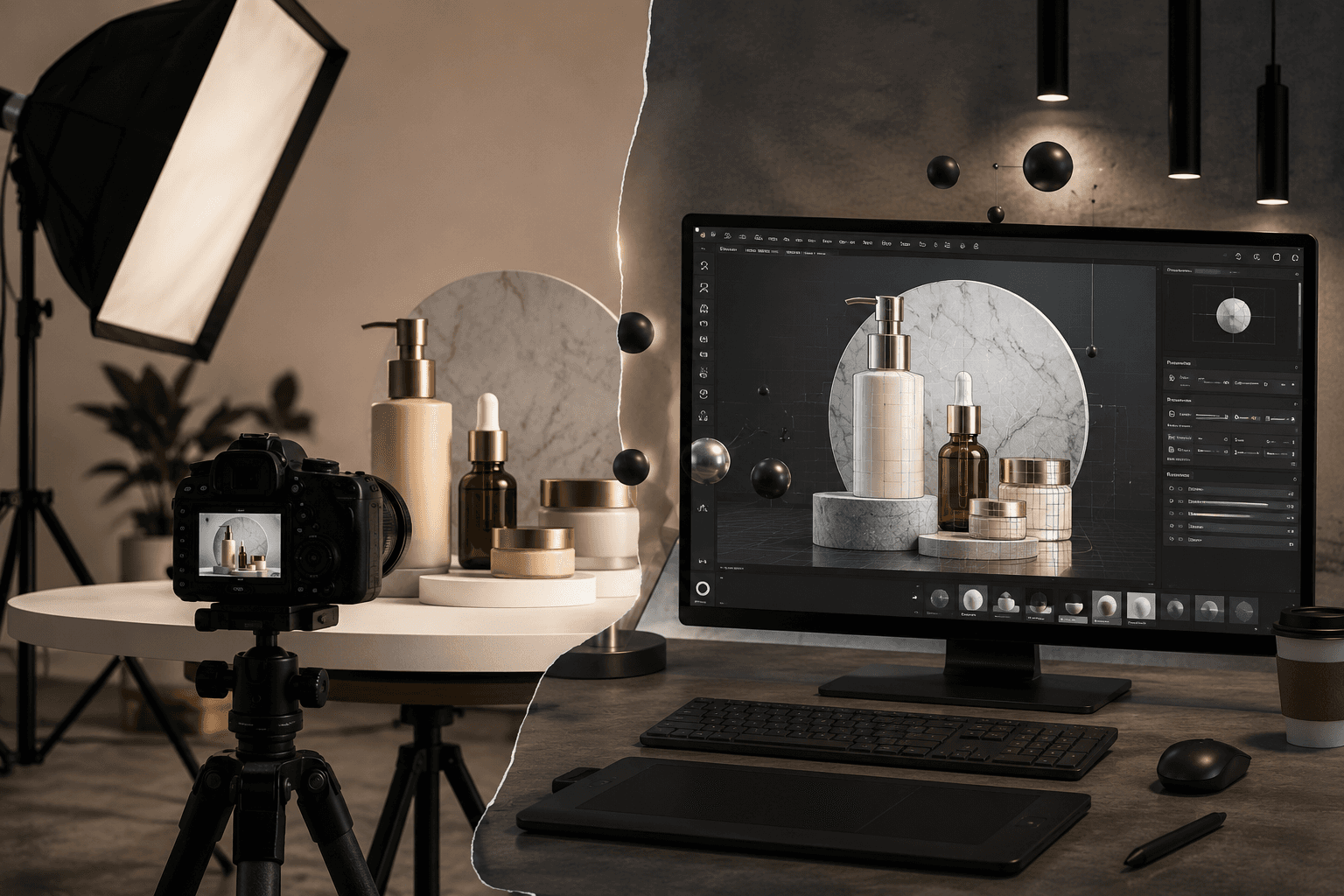
A single accurate 3D model built once with correct proportions, real materials and physically based lighting. It becomes the source file for every visual the brand ever ships.
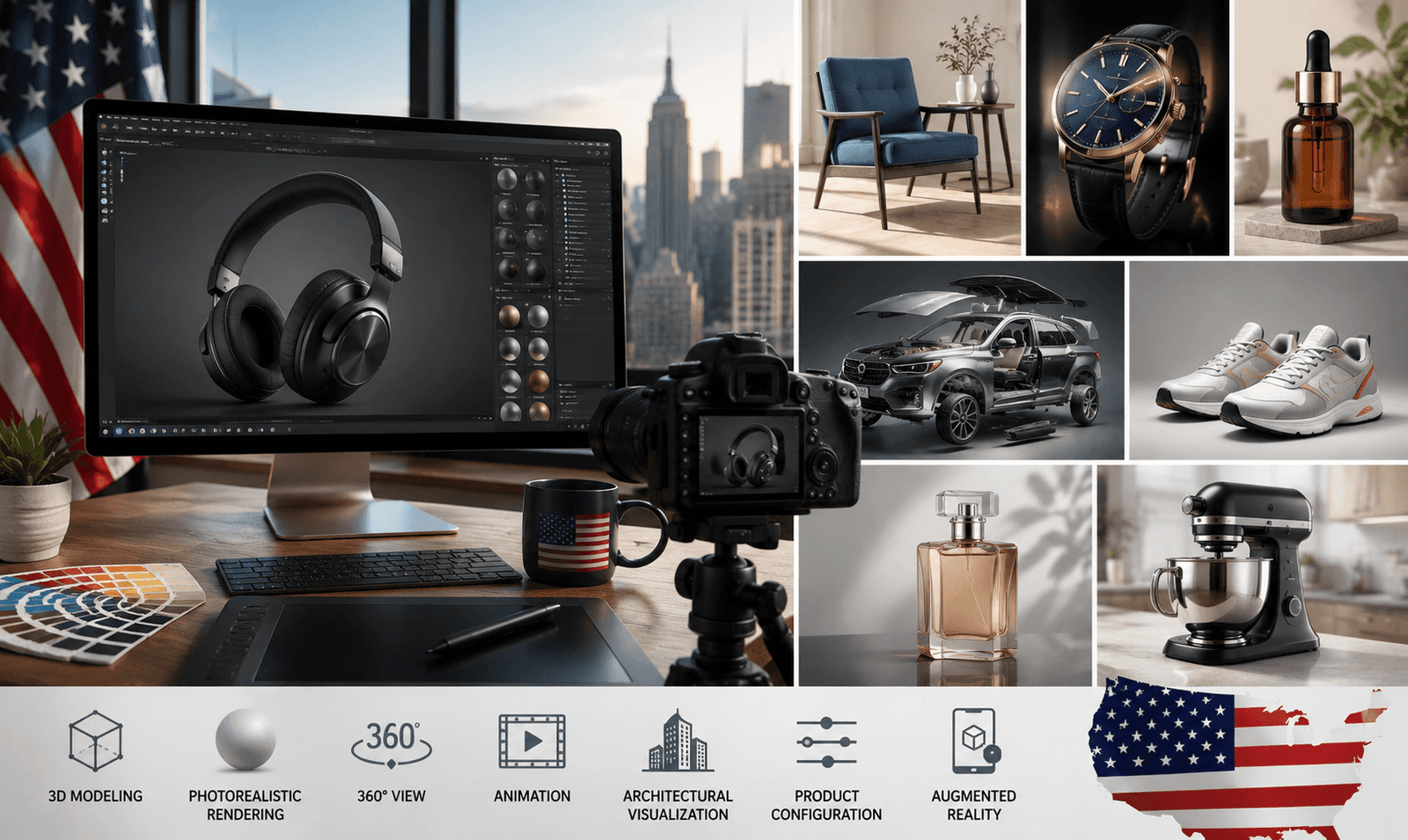
From that one file you generate standard 2D images for any marketplace format, 360° spins, AR-ready models for in-room placement at true scale, 3D components for conversational AI interfaces, and unlimited product variants without reshoots. Build once, publish everywhere.
What a D2C brand should do about it right now
- Start with hero products: the SKUs driving most revenue and most ad spend get modelled first
- Build the 3D foundation early, the model that powers the Amazon listing today is what keeps you visible when a shopper opens Gemini Live next year
- Convert gradually: the whole catalogue takes months, not a weekend; ten-thousand-SKU migrations do not need to happen at once
- Preserve backward compatibility, a 3D master still generates the standard listing images marketplaces require, so nothing on existing platforms is lost
How urgent is this really?
Not fire-drill urgent. But the brands that model their top ten SKUs in the next twelve months will be the ones the new interfaces can actually work with, and the brands that wait for AI shopping to be fully mainstream will build the same assets under time pressure a year later, from behind. It is easier to be early.